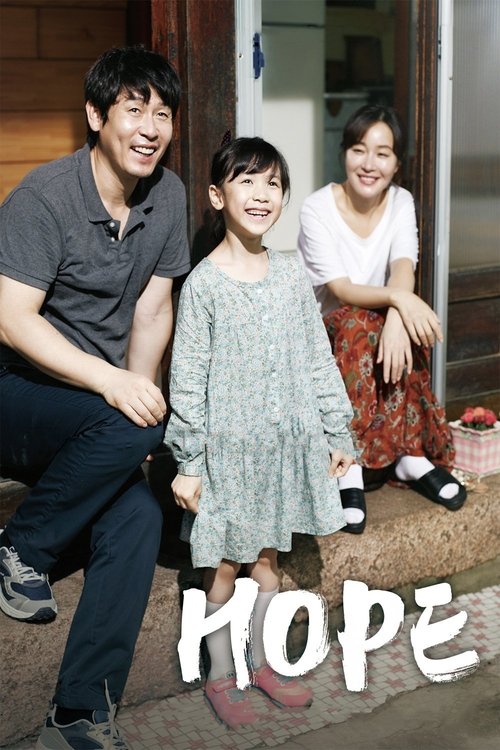
Hope - Review
Hope: A Harrowing Tale of Resilience and Recovery
Hope, released in 2013 and directed by Lee Joon-ik, is not a film one easily forgets. It's a visceral, emotionally devastating, yet ultimately hopeful story about the aftermath of a brutal crime and the arduous journey of a family grappling with unimaginable trauma. This Korean drama transcends simple victim narratives, delving into the complexities of grief, guilt, and the unwavering power of human connection. While the subject matter is undeniably difficult, Hope is a masterclass in cinematic storytelling, offering a poignant and necessary exploration of healing and forgiveness.
Plot: A Family Shattered, A Spirit Rekindled
The film opens with the seemingly mundane routine of young So-won, an eight-year-old girl, walking to school on a rainy morning. This normalcy is shattered when she is abducted and subjected to a horrific sexual assault. The film wisely avoids explicit depiction of the violence itself, focusing instead on the immediate aftermath and the ripple effects of the crime on So-won and her family. We see the initial chaos and confusion at the hospital, the agonizing wait for news, and the crushing realization of the extent of So-won's injuries – both physical and psychological.
The narrative then shifts to the family's struggle to navigate the legal system, the media frenzy, and the overwhelming emotional burden of their new reality. So-won's parents, Dong-hoon and Mi-hee, are each consumed by their own individual forms of grief and guilt. Dong-hoon, initially paralyzed by helplessness, channels his energy into becoming So-won's protector and caregiver. Mi-hee, wracked with guilt for not being there to protect her daughter, struggles to connect with So-won, fearing that she will be a constant reminder of the trauma. The film meticulously portrays the challenges they face in creating a safe and supportive environment for So-won, while simultaneously dealing with their own emotional wounds.
As So-won slowly begins her long journey towards recovery, the family learns to adapt to their new circumstances. They seek professional help, find solace in their community, and discover new ways to communicate with each other. Dong-hoon's decision to dress up as a cartoon character, "Coco Mong," to ease So-won's fear is a particularly touching example of his unwavering dedication. The film subtly showcases the power of small acts of kindness and the importance of creating a space where So-won feels safe and loved. The plot doesn't shy away from the difficulties, depicting the setbacks, the emotional outbursts, and the moments of despair. However, it consistently emphasizes the family's resilience and their unwavering commitment to each other.
Characters: Portraits of Grief and Strength
The strength of Hope lies in its deeply human and relatable characters. Each member of the family is meticulously crafted, with their own unique struggles and motivations.
So-won (Lee Re)
Lee Re's performance as So-won is nothing short of extraordinary. She embodies the innocence and vulnerability of a child who has been irrevocably scarred by trauma. Re manages to convey the complex emotions of fear, confusion, and anger with remarkable subtlety and nuance. She portrays So-won's gradual journey towards healing with sensitivity and authenticity, capturing the moments of joy and laughter amidst the pervasive sadness. Her portrayal is heartbreaking, but also incredibly inspiring, demonstrating the resilience of the human spirit even in the face of unimaginable adversity.
Dong-hoon (Sol Kyung-gu)
Sol Kyung-gu delivers a powerful and nuanced performance as Dong-hoon, So-won's father. He portrays a man who is initially overwhelmed by grief and guilt, but who gradually finds strength in his role as a caregiver. Dong-hoon's transformation is particularly compelling. He goes from a man consumed by rage and a desire for revenge to a devoted father who will do anything to protect his daughter. His decision to dress up as Coco Mong, while initially appearing comical, is a testament to his unwavering love and his willingness to put aside his own pride for So-won's sake. Kyung-gu perfectly captures Dong-hoon's vulnerability, his frustration, and his unwavering determination to help his daughter heal.
Mi-hee (Uhm Ji-won)
Uhm Ji-won delivers a compelling performance as Mi-hee, So-won's mother. She portrays a woman who is wracked with guilt and struggling to connect with her daughter. Mi-hee's journey is perhaps the most emotionally complex. She feels responsible for what happened to So-won and is afraid that she will be a constant reminder of the trauma. Ji-won effectively conveys Mi-hee's internal conflict, her fear of not being able to provide the support So-won needs, and her gradual realization that her love and presence are essential to her daughter's recovery. Her performance is both heartbreaking and inspiring, highlighting the challenges that mothers face in supporting their children through difficult times.
Supporting Characters
The film also features a strong supporting cast, including the compassionate police officer who investigates the case and the dedicated psychologist who helps So-won and her family navigate their trauma. These characters provide crucial support and guidance, demonstrating the importance of community in the healing process.
Direction and Cinematography: A Sensitive Approach
Lee Joon-ik's direction is masterful. He handles the sensitive subject matter with remarkable restraint and sensitivity, avoiding sensationalism or exploitation. Instead, he focuses on the emotional impact of the crime on the family and their journey towards healing. The film's pacing is deliberate, allowing the audience to fully immerse themselves in the characters' experiences. Joon-ik uses subtle visual cues and carefully crafted scenes to convey the depth of their emotions.
The cinematography, by Kim Tae-kyung, is equally effective. The film's visual style is understated and naturalistic, reflecting the everyday reality of the family's life. The use of muted colors and soft lighting creates a sense of intimacy and vulnerability. The camera work is unobtrusive, allowing the actors' performances to take center stage. There are moments of visual symbolism, such as the recurring image of rain, which represents the sadness and grief that permeates the family's life. However, these moments are used sparingly and effectively, adding depth and nuance to the storytelling.
One particularly striking aspect of the direction is the way Joon-ik avoids explicitly depicting the violence. He understands that the true horror of the crime lies not in the act itself, but in its devastating consequences. By focusing on the emotional aftermath, he allows the audience to connect with the characters on a deeper level and to empathize with their pain.
Themes and Messages: Hope Amidst Despair
Hope is a film that explores a multitude of complex themes, including:
The Impact of Trauma
The film provides a realistic and unflinching portrayal of the devastating impact of trauma on victims and their families. It shows how trauma can shatter lives, disrupt relationships, and create lasting emotional scars. The film also highlights the importance of seeking professional help and the long and arduous journey towards healing.
The Power of Family
At its core, Hope is a story about the power of family. It shows how love, support, and unwavering commitment can help individuals overcome even the most challenging circumstances. The film emphasizes the importance of communication, empathy, and understanding in building strong and resilient family relationships.
The Importance of Community
The film also highlights the importance of community in the healing process. It shows how the support of friends, neighbors, and community organizations can provide crucial assistance to victims and their families. The film emphasizes the need for compassion, understanding, and a willingness to help those in need.
Forgiveness and Redemption
While the film does not shy away from the anger and desire for revenge that victims and their families often feel, it ultimately promotes the message of forgiveness and redemption. It shows how forgiveness, while difficult, can be a powerful tool for healing and moving forward. The film also suggests that even the most heinous offenders can be redeemed through remorse and accountability.
Resilience and Hope
Despite its dark and difficult subject matter, Hope is ultimately a film about resilience and hope. It shows how individuals can overcome even the most devastating experiences and find meaning and purpose in their lives. The film emphasizes the importance of maintaining hope, even in the face of despair, and of never giving up on the possibility of a better future.
Comparison to Other Films
Hope can be compared to other films that explore the aftermath of trauma and the healing process, such as Room (2015) and The Lovely Bones (2009). However, Hope distinguishes itself through its focus on the family dynamics and the complexities of the parents' grief. While Room primarily focuses on the victim's perspective and The Lovely Bones takes a more fantastical approach, Hope offers a more grounded and realistic portrayal of the challenges faced by a family navigating the aftermath of a sexual assault.
In terms of Lee Joon-ik's filmography, Hope stands out as one of his most powerful and emotionally resonant works. While he has directed a variety of films across different genres, Hope showcases his ability to handle sensitive subject matter with grace and sensitivity. It shares some thematic similarities with his earlier film, King and the Clown (2005), in its exploration of human connection and the power of art to heal. However, Hope is a more intimate and personal film, focusing on the micro-level impact of trauma rather than the broader societal implications.
Positive Aspects
- Exceptional Performances: The acting, particularly from Lee Re, Sol Kyung-gu, and Uhm Ji-won, is outstanding. They bring depth and authenticity to their characters, making their struggles feel real and relatable.
- Sensitive Direction: Lee Joon-ik handles the sensitive subject matter with remarkable restraint and sensitivity, avoiding sensationalism or exploitation.
- Powerful Storytelling: The film's narrative is compelling and emotionally resonant, drawing the audience into the family's journey of healing.
- Thought-Provoking Themes: The film explores a multitude of complex themes, including trauma, family, community, forgiveness, and hope.
- Realistic Portrayal: The film offers a realistic and unflinching portrayal of the challenges faced by victims and their families, avoiding simplistic or sentimental depictions.
Constructive Criticism
- Pacing: While the deliberate pacing allows for emotional immersion, some viewers may find the film slow at times. Certain scenes could have been trimmed to maintain momentum without sacrificing emotional depth.
- Subtlety: While the film's subtlety is generally a strength, there are moments where greater explicitness in portraying the parents' internal struggles could have further enhanced the emotional impact. A deeper dive into their individual coping mechanisms, beyond the surface level, might have resonated even more profoundly.
- Ending: While the ending is hopeful, it could be perceived as somewhat abrupt. A slightly more extended epilogue showing the family's continued progress could have provided a greater sense of closure.
Conclusion
Hope is a powerful and emotionally devastating film that lingers long after the credits roll. It is a testament to the resilience of the human spirit and the importance of family, community, and hope in the face of unimaginable adversity. While the subject matter is undeniably difficult, the film is handled with remarkable sensitivity and grace, avoiding sensationalism and exploitation. The performances are exceptional, the direction is masterful, and the themes are both thought-provoking and deeply moving. Despite some minor pacing issues and a slightly abrupt ending, Hope is a must-see for anyone interested in exploring the complexities of trauma and the power of healing. It is a film that will challenge you, move you, and ultimately leave you with a sense of hope.