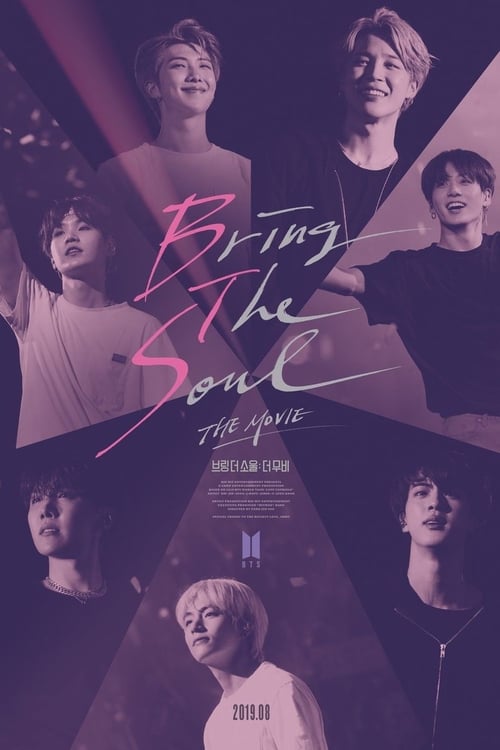
Bring the Soul: The Movie - Review
Bring the Soul: A Glimpse Behind the Curtain of BTS Mania
In the whirlwind of K-pop stardom, where meticulously crafted performances and perfectly curated public images reign supreme, Bring the Soul: The Movie offers a rare and intimate peek behind the curtain of one of the world's most beloved and influential groups, BTS. Released in 2019, the documentary follows the septet during their "Love Yourself" world tour, not just showcasing their electrifying stage presence but also delving into their personal reflections, vulnerabilities, and the unwavering bond that fuels their collective success. More than just a concert film, Bring the Soul strives to humanize these global icons, revealing the individuals behind the meticulously crafted image, and exploring the price of fame, the pressure of performance, and the importance of friendship. But does it succeed in truly baring their souls, or does it remain a carefully constructed narrative designed to further solidify their already fervent fanbase? Let's delve into the depths of this cinematic exploration.
Plot and Structure: A Diary of a World Tour
The film's structure is straightforward, following BTS through various stops on their "Love Yourself" world tour. Instead of a strict chronological recounting, Bring the Soul weaves together concert footage, backstage moments, and intimate conversations, primarily centered around a post-concert dinner in Paris. This dinner serves as the narrative anchor, with the members reflecting on their experiences, anxieties, and aspirations. The film intercuts these reflections with dynamic concert performances from various locations, highlighting the energy and passion they bring to the stage. The plot isn't driven by a traditional narrative arc; instead, it's a series of vignettes that offer a glimpse into the lives of the members. We see them rehearsing, traveling, dealing with injuries, and, most importantly, supporting each other. While the lack of a central conflict might disappoint some viewers, it aligns with the film's intention: to present a candid, unfiltered view of BTS in their element.
Characters: Seven Souls, One Heart
Bring the Soul excels at showcasing the individual personalities of the seven members: RM, Jin, Suga, J-Hope, Jimin, V, and Jungkook. Each member is given ample screen time to express their thoughts and feelings, allowing viewers to connect with them on a more personal level.
- RM: As the leader, RM emerges as the thoughtful and articulate spokesperson, often grappling with the weight of responsibility and the pressures of representing the group. His introspective nature and philosophical musings provide a deeper understanding of the group's ethos.
- Jin: Jin, the eldest member, is portrayed as the playful and comforting presence, injecting humor and lightheartedness into the group dynamic. His self-aware jokes and unwavering optimism serve as a counterpoint to the more serious reflections.
- Suga: Suga, known for his sharp wit and musical genius, reveals a more vulnerable side, discussing his past struggles with mental health and his dedication to his craft. His honesty and introspective nature resonate deeply.
- J-Hope: J-Hope, the group's main dancer and choreographer, is the embodiment of energy and enthusiasm. His infectious positivity and unwavering dedication to performance are a source of inspiration for the other members.
- Jimin: Jimin, known for his captivating stage presence, reveals a more self-conscious side, constantly striving for perfection and grappling with insecurities about his performance. His vulnerability makes him relatable and endearing.
- V: V, with his unique artistic sensibilities and quirky personality, brings a sense of wonder and creativity to the group. His unconventional thinking and playful nature add a touch of whimsy to the documentary.
- Jungkook: Jungkook, the youngest member, is portrayed as the all-rounder, excelling in various aspects of performance. His quiet confidence and unwavering determination are a testament to his dedication and talent.
The strength of the film lies in its ability to capture the genuine camaraderie between the members. Their interactions feel authentic and unscripted, revealing a deep-seated respect and affection for one another. They tease each other, support each other, and offer each other comfort during moments of vulnerability. This bond is the heart and soul of BTS, and Bring the Soul effectively captures its essence.
Direction and Cinematography: Capturing the Energy and Intimacy
The direction, credited to Park Jun-soo, strikes a balance between capturing the electrifying energy of the concert performances and the intimate moments of reflection. The concert footage is expertly shot, utilizing a variety of camera angles and dynamic editing to convey the scale and intensity of the live shows. The backstage scenes and dinner conversations are filmed in a more observational style, allowing the members to speak freely and naturally. The use of handheld cameras and close-up shots creates a sense of intimacy, drawing the viewer into the group's inner circle.
The cinematography is visually appealing, utilizing vibrant colors and dynamic lighting to enhance the overall viewing experience. The concert footage is particularly impressive, with the camera work capturing the intricate choreography, the dazzling stage effects, and the overwhelming energy of the crowd. The use of slow-motion and aerial shots adds a cinematic flair to the performances, elevating them beyond simple concert recordings. However, at times, the editing feels slightly rushed, jumping between scenes without allowing enough time for viewers to fully immerse themselves in the moment. A more deliberate pace could have enhanced the emotional impact of certain scenes.
Performances: Beyond the Stage Persona
The concert performances in Bring the Soul are undoubtedly a highlight. The film showcases a diverse range of songs from BTS's discography, from high-energy dance tracks to emotionally charged ballads. The members' stage presence is undeniable, captivating the audience with their synchronized choreography, powerful vocals, and infectious energy. The film effectively captures the sheer spectacle of a BTS concert, showcasing the elaborate stage designs, the dazzling light shows, and the overwhelming enthusiasm of the fans. However, the film also goes beyond the stage persona, revealing the hard work and dedication that goes into each performance. We see the members rehearsing tirelessly, pushing themselves to their physical and mental limits to deliver the best possible show for their fans. This glimpse behind the scenes adds a layer of appreciation for their artistry and commitment.
Themes and Messages: Connection, Vulnerability, and the Power of Music
Bring the Soul explores several important themes, including the importance of connection, the power of vulnerability, and the transformative potential of music. The film emphasizes the strong bond between the members of BTS, highlighting their unwavering support for one another and their shared commitment to their craft. This connection extends beyond the group itself, encompassing their dedicated fanbase, known as ARMY. The film showcases the profound impact that BTS's music has on their fans, providing them with a sense of community, hope, and belonging.
The film also explores the theme of vulnerability, showcasing the members' willingness to share their personal struggles and insecurities. This openness and honesty resonate deeply with fans, creating a sense of trust and connection. By revealing their vulnerabilities, BTS humanizes themselves and challenges the often-unattainable image of perfection that is often associated with K-pop idols. The film ultimately celebrates the power of music to transcend cultural boundaries, connect people from all walks of life, and inspire positive change in the world.
Comparison to Other Films and Works
Bring the Soul can be compared to other music documentaries, such as Justin Bieber: Never Say Never and Katy Perry: Part of Me. However, while those films primarily focus on the individual artist's journey, Bring the Soul places a greater emphasis on the group dynamic and the collective experience. It also shares similarities with other BTS-related films, such as Burn the Stage: The Movie and BTS World Tour: Love Yourself in Seoul. However, Bring the Soul distinguishes itself through its more intimate and reflective tone, delving deeper into the members' personal thoughts and feelings.
Compared to Burn the Stage: The Movie, Bring the Soul feels less focused on the relentless demands of touring and more on the emotional landscape of the members. While Burn the Stage showed the physical exhaustion and pressure, Bring the Soul explores the internal anxieties and the importance of mental well-being. It's a maturation, both for the group and for the filmmaking style. The dinner scene, in particular, sets it apart, providing a space for genuine reflection that was less prevalent in their earlier cinematic ventures.
Positive Aspects and Constructive Criticism
Bring the Soul offers a compelling and insightful glimpse into the world of BTS. Its strengths lie in its ability to capture the genuine camaraderie between the members, showcase their individual personalities, and highlight the transformative power of their music. The concert footage is visually stunning, and the intimate moments of reflection are both touching and thought-provoking. The film effectively humanizes these global icons, revealing the individuals behind the meticulously crafted image.
However, the film is not without its flaws. The lack of a central narrative arc may disappoint some viewers, and the editing occasionally feels rushed. Furthermore, while the film strives to present a candid view of BTS, it is still a carefully constructed narrative, and there are moments where it feels like the members are consciously performing for the camera. A more critical and probing approach could have added depth and complexity to the film. Additionally, the film could have explored the challenges and controversies that BTS has faced in greater detail, providing a more balanced and nuanced perspective.
Conclusion and Rating
Bring the Soul: The Movie is a must-see for fans of BTS and K-pop in general. It offers a rare and intimate glimpse behind the curtain of one of the world's most popular groups, revealing the individuals behind the image and exploring the pressures of fame, the importance of friendship, and the transformative power of music. While it may not be a groundbreaking documentary, it is a heartfelt and engaging portrait of a group of young men who have captured the hearts of millions. For non-fans, it offers a valuable insight into the dedication and hard work that goes into creating a global phenomenon. It's a well-produced, emotionally resonant film that will leave you with a newfound appreciation for BTS.
Rating: 8.5/10