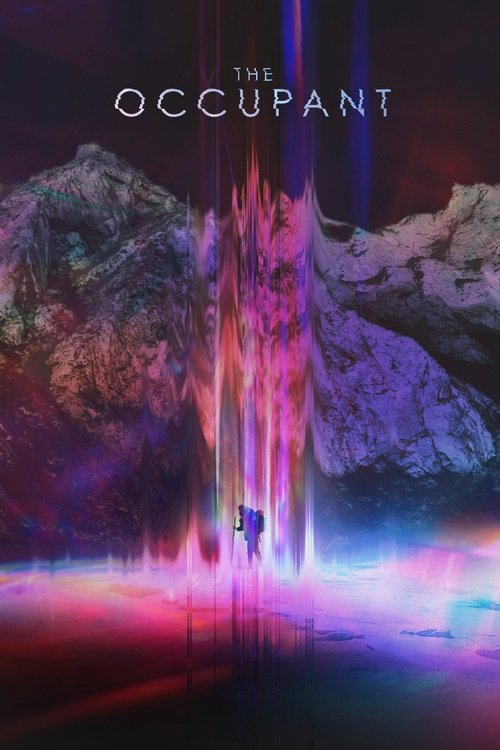
The Occupant - Review
"The Occupant" (2025): A Descent into Isolation and Impossible Choices
The promise of a survival thriller set against the stark beauty of the Georgian wilderness is always enticing. Add a dash of science fiction and a healthy dose of psychological torment, and you have the recipe for "The Occupant," director Anya Petrova's latest offering. But does this film, released on August 7th, 2025, deliver on its ambitious premise? The answer, like the film itself, is complex and layered, a captivating yet occasionally frustrating journey into the depths of human resilience and the fragility of reality.
Plot: A Bleak Landscape of Survival and Sanity
The narrative of "The Occupant" centers around Abby (played with remarkable intensity by rising star Elara Vance), a woman driven by desperation to save her sister, Lily, from a rare and aggressive form of cancer. With conventional treatments failing, Abby agrees to a highly experimental and ethically questionable program located in a remote region of Georgia. The program, shrouded in secrecy, promises a potential cure, but demands Abby's complete isolation and participation in a series of physically and mentally challenging trials. The initial premise is intriguing, hinting at corporate malfeasance and the exploitation of vulnerable individuals for scientific gain.
The inciting incident, a harrowing helicopter crash that leaves Abby stranded deep in the unforgiving mountains, throws the story into high gear. This is where the thriller elements truly begin to shine. The crash is visually stunning and viscerally impactful, immediately establishing the stakes and the perilous environment. Abandoned and alone, Abby's hope flickers when she establishes radio contact with John (voiced with chilling calmness by veteran actor Liam O'Connell), a mysterious figure who claims to be monitoring her progress and offering guidance. John becomes Abby's lifeline, providing crucial information on survival techniques, navigating treacherous terrain, and finding scarce resources.
However, as Abby's reliance on John grows, so does the audience's suspicion. His instructions become increasingly cryptic and demanding, pushing Abby to her physical and mental limits. The film skillfully plays with ambiguity, blurring the lines between helpful advice and manipulative control. Is John a benevolent guide, a figment of Abby's fractured psyche, or something far more sinister? This uncertainty forms the core of the film's suspense.
The second act delves deeper into Abby's psychological unraveling. The harsh conditions, coupled with John's increasingly bizarre instructions, lead to hallucinations, paranoia, and a growing sense of isolation. The film masterfully depicts Abby's descent into madness, using visual and auditory cues to disorient the viewer and mirror her subjective experience. The pacing slows down here, allowing the audience to fully immerse themselves in Abby's deteriorating mental state. While effective, this section occasionally feels drawn out, and some viewers may find the lack of concrete answers frustrating.
The final act culminates in a shocking revelation that recontextualizes everything that came before. While I won't spoil the specifics, the twist is both thought-provoking and somewhat divisive. It leans heavily into the science fiction elements, introducing concepts of consciousness transfer and alternative realities. The execution of this twist is where the film falters slightly. While the underlying idea is compelling, the explanation feels rushed and underdeveloped, leaving some plot threads unresolved. The "impossible choice" Abby faces is emotionally resonant, but the ambiguity surrounding the true nature of her reality diminishes the impact of her decision.
Characters: A Study in Resilience and Manipulation
Elara Vance's performance as Abby is the undeniable highlight of "The Occupant." She embodies Abby's vulnerability, determination, and eventual descent into madness with remarkable nuance. Vance's physical commitment to the role is evident in every scene, portraying the raw desperation and exhaustion of a woman fighting for survival. Her ability to convey Abby's internal struggles through subtle expressions and body language is truly captivating.
Liam O'Connell's voice acting as John is equally impressive. His calm, measured tone creates an unsettling contrast with the chaos surrounding Abby. O'Connell masterfully conveys a sense of detached authority, making John both a source of comfort and a figure of suspicion. The ambiguity of his character is crucial to the film's success, and O'Connell's performance perfectly captures this duality.
While the supporting characters are limited, they serve important narrative functions. The brief flashbacks featuring Abby and her sister, Lily (played by newcomer Chloe Davis), establish the emotional stakes and provide context for Abby's desperate actions. Dr. Anya Sharma (played by veteran actress Indira Verma), the lead scientist behind the experimental program, is a morally ambiguous figure whose motivations remain unclear throughout the film. Verma's portrayal is understated yet effective, hinting at a deeper complexity beneath her professional demeanor.
However, one of the film's weaknesses is its limited character development. While Abby is fleshed out effectively, the other characters feel somewhat underdeveloped. More exploration of Dr. Sharma's motivations and the ethical implications of her work would have added further depth to the narrative.
Direction and Cinematography: A Visually Stunning Descent
Anya Petrova's direction is masterful, creating a visually stunning and emotionally resonant experience. She effectively uses the stark beauty of the Georgian wilderness to create a sense of isolation and vulnerability. The sweeping landscapes and imposing mountains serve as a constant reminder of Abby's insignificance in the face of nature's power.
The cinematography, helmed by the talented Dimitri Volkov, is breathtaking. Volkov captures the beauty and harshness of the environment with equal skill, using wide shots to emphasize Abby's isolation and close-ups to convey her emotional turmoil. The use of natural light and shadow creates a sense of realism and enhances the film's suspenseful atmosphere. The camera work during the helicopter crash is particularly impressive, immersing the viewer in the chaos and disorientation of the event.
The sound design is equally effective, using subtle ambient sounds and jarring audio cues to heighten the tension and create a sense of unease. The score, composed by up-and-coming composer Lena Morozova, is haunting and atmospheric, perfectly complementing the film's visuals and emotional tone.
Petrova's attention to detail is evident throughout the film, from the realistic portrayal of survival techniques to the subtle visual cues that hint at Abby's deteriorating mental state. Her use of symbolism is also noteworthy, with recurring motifs such as mirrors and reflections representing Abby's fractured sense of self.
Themes and Messages: Exploring the Boundaries of Reality and Sacrifice
"The Occupant" explores several complex and thought-provoking themes, including the nature of reality, the limits of human resilience, and the ethical implications of scientific experimentation. The film raises questions about the reliability of our senses and the power of the human mind to create its own reality.
The theme of sacrifice is central to the narrative. Abby's willingness to endure unimaginable hardships in order to save her sister highlights the depths of human love and the lengths to which we will go for those we care about. The film also explores the darker side of sacrifice, questioning whether the ends justify the means and whether some sacrifices are simply too great to bear.
The film also touches upon the ethical concerns surrounding scientific experimentation, particularly when it involves vulnerable individuals. Dr. Sharma's ambiguous motivations and the secrecy surrounding the experimental program raise questions about the potential for exploitation and the dangers of unchecked scientific ambition.
Ultimately, "The Occupant" is a cautionary tale about the dangers of isolation, the fragility of the human mind, and the importance of questioning our perceptions of reality. It challenges viewers to consider the boundaries of their own beliefs and to confront the uncomfortable truths about human nature.
Comparisons: Echoes of the Past, a Unique Vision
"The Occupant" draws inspiration from a variety of sources, including survival thrillers like "The Descent" and psychological thrillers like "Session 9." The film's remote setting and themes of isolation and paranoia are reminiscent of these earlier works. The science fiction elements, particularly the exploration of consciousness transfer, also echo films like "Source Code" and "Transcendence."
However, "The Occupant" distinguishes itself through its unique blend of genres and its focus on the psychological impact of extreme isolation. While other survival thrillers may emphasize physical challenges, "The Occupant" delves deeper into the mental and emotional toll of being stranded and alone. Petrova's distinct directorial style and Vance's captivating performance also contribute to the film's originality.
Compared to Petrova's previous works, "The Occupant" represents a significant step forward in terms of scope and ambition. While her earlier films were smaller, character-driven dramas, "The Occupant" tackles larger themes and incorporates elements of science fiction and thriller. The film's visual style is also more polished and sophisticated than her previous efforts.
Positive Aspects: A Triumph of Atmosphere and Performance
"The Occupant" boasts several strengths that make it a compelling and memorable cinematic experience:
- Elara Vance's performance: Her portrayal of Abby is nuanced, captivating, and emotionally resonant.
- Anya Petrova's direction: Her masterful use of visuals, sound, and atmosphere creates a truly immersive experience.
- Dimitri Volkov's cinematography: The breathtaking visuals capture the beauty and harshness of the Georgian wilderness.
- The film's suspenseful atmosphere: The ambiguity surrounding John's character and the gradual unraveling of Abby's sanity create a constant sense of unease.
- The thought-provoking themes: The film explores complex issues related to reality, sacrifice, and the ethics of scientific experimentation.
Constructive Criticism: Room for Improvement
Despite its strengths, "The Occupant" is not without its flaws:
- Underdeveloped supporting characters: More exploration of Dr. Sharma's motivations and the ethical implications of her work would have added further depth to the narrative.
- Rushed explanation of the twist: The science fiction elements, particularly the explanation of consciousness transfer, feel underdeveloped and leave some plot threads unresolved.
- Pacing issues in the second act: The slow pace and lack of concrete answers in the second act may frustrate some viewers.
- Ambiguity detracts from the emotional impact: While ambiguity is a strength for much of the film, the lack of clarity surrounding the true nature of Abby's reality diminishes the impact of her final choice.
Conclusion: A Haunting and Thought-Provoking Thriller
"The Occupant" is a haunting and thought-provoking thriller that lingers in the mind long after the credits roll. Elara Vance's exceptional performance and Anya Petrova's masterful direction elevate the film above typical survival thrillers. While the film's ambiguous ending and underdeveloped supporting characters may frustrate some viewers, its exploration of complex themes and its visually stunning presentation make it a worthwhile cinematic experience.
Ultimately, "The Occupant" is a film that rewards patient viewers who are willing to embrace its ambiguity and grapple with its challenging themes. It's a film that will spark debate and discussion, prompting viewers to question their own perceptions of reality and the limits of human resilience.
Rating: 8.0/10