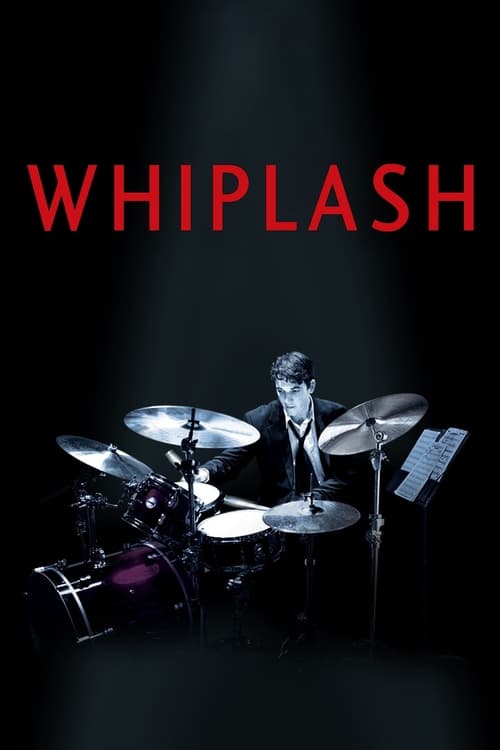
Whiplash - Review
Whiplash: A Symphony of Obsession and Sacrifice
Whiplash, Damien Chazelle's 2014 masterpiece, isn't just a film about music; it's a visceral, gut-wrenching exploration of ambition, obsession, and the brutal cost of greatness. It's a film that stays with you long after the credits roll, its relentless energy and moral complexities echoing in your mind. From its electrifying opening scene to its breathtaking climax, Whiplash is a cinematic tour de force that challenges our perceptions of success, talent, and the boundaries of human endurance. But does its brilliance justify its methods? Let's delve into the heart of this controversial and undeniably compelling film.
Plot: The Relentless Pursuit of Perfection
The film centers on Andrew Neiman (Miles Teller), a promising first-year jazz drummer at the prestigious Shaffer Conservatory in New York City. Andrew dreams of becoming one of the greats, a Charlie Parker or a Buddy Rich. His ambition catches the eye of Terence Fletcher (J.K. Simmons), the notoriously demanding and abusive conductor of the school's top jazz ensemble. Fletcher invites Andrew to join his band, an offer that seems like a dream come true, but quickly descends into a living nightmare.
Fletcher's methods are anything but conventional. He uses psychological manipulation, verbal abuse, and physical intimidation to push his students to their absolute limits. Andrew is subjected to relentless criticism, public humiliation, and even physical violence in Fletcher's relentless pursuit of perfection. He becomes increasingly isolated, sacrificing his personal relationships, his mental health, and even his physical well-being in his desperate attempt to meet Fletcher's impossible standards.
The plot unfolds as a series of escalating challenges and setbacks. Andrew pushes himself harder and harder, practicing until his hands bleed, neglecting his girlfriend, and alienating his family. He is constantly vying for Fletcher's approval, but no matter how hard he tries, he can never seem to satisfy his demanding mentor. The tension builds with each scene, culminating in a shocking event that forces Andrew to question everything he has sacrificed for his dream.
The film's climax is a breathtaking and ambiguous performance at the JVC Jazz Festival. After being humiliated and sabotaged by Fletcher, Andrew initially attempts to walk away from his dream. However, driven by a mixture of anger, resentment, and a deep-seated desire to prove himself, he returns to the stage and takes control of the performance, engaging in a fierce battle of wills with Fletcher. The ending is open to interpretation, leaving the audience to question whether Andrew has truly achieved greatness or simply become a reflection of his abuser.
Characters: A Study in Contrasts
Andrew Neiman: The Ambitious Protagonist
Andrew is a complex and flawed character. He is driven by an unwavering ambition to be the best, but he is also insecure, vulnerable, and easily manipulated. His desire for recognition and approval makes him susceptible to Fletcher's abuse, and he allows himself to be pushed to the brink of self-destruction in his pursuit of perfection. Miles Teller delivers a powerful and nuanced performance, capturing Andrew's vulnerability, his determination, and his descent into obsession.
Initially, Andrew is a relatable character, a young man with a dream and the talent to potentially achieve it. However, as the film progresses, his ambition becomes increasingly consuming, blinding him to the consequences of his actions. He becomes arrogant, dismissive of others, and willing to sacrifice everything for his art. This transformation makes him a less sympathetic character, but also a more compelling one. We are forced to confront the dark side of ambition and the sacrifices it demands.
Terence Fletcher: The Abusive Maestro
Terence Fletcher is one of the most memorable and terrifying villains in recent cinematic history. He is a brilliant musician and teacher, but he is also a sadistic and manipulative abuser. He believes that the only way to achieve greatness is through relentless pressure and brutal criticism. He uses fear and intimidation to push his students beyond their limits, often at the expense of their mental and physical well-being. J.K. Simmons delivers a career-defining performance, embodying Fletcher's charisma, his intelligence, and his chilling cruelty.
Fletcher is not simply a one-dimensional villain. He is a complex and multifaceted character with his own motivations and beliefs. He believes that he is doing what is necessary to find the next Charlie Parker, and he is willing to sacrifice anyone in his pursuit of that goal. His methods are reprehensible, but his passion for music and his dedication to his students are undeniable. This ambiguity makes him a fascinating and disturbing character.
The Supporting Cast
While Andrew and Fletcher dominate the screen, the supporting cast provides important context and perspective. Melissa Benoist plays Nicole, Andrew's girlfriend, who is ultimately sacrificed on the altar of his ambition. Paul Reiser plays Andrew's father, a supportive but ultimately powerless figure who watches his son spiral out of control. These characters highlight the human cost of Andrew's obsession and the collateral damage it inflicts on those around him.
Direction and Cinematography: A Visual Symphony
Damien Chazelle's direction is masterful, creating a sense of relentless tension and claustrophobia. The film is shot with a kinetic energy that mirrors the intensity of the music and the emotional turmoil of the characters. The camera is constantly moving, zooming in on Andrew's hands as he drums, or circling around Fletcher as he berates his students. This dynamic camerawork creates a sense of immediacy and immerses the audience in the world of the film.
The cinematography, by Sharone Meir, is equally impressive. The film is visually stunning, with vibrant colors and sharp contrasts. The lighting is used to great effect, creating a sense of drama and suspense. The close-up shots of Andrew's bleeding hands and sweat-drenched face are particularly powerful, conveying the physical and emotional toll of his relentless pursuit of perfection.
Chazelle masterfully uses editing to create a sense of rhythm and pacing that mirrors the music. The scenes are often cut to the beat of the drums, creating a visceral and immersive experience for the viewer. The film's editing is particularly effective during the musical performances, which are both exhilarating and exhausting to watch.
Performances: A Masterclass in Acting
Whiplash is anchored by two exceptional performances from Miles Teller and J.K. Simmons. Teller delivers a career-defining performance as Andrew Neiman, capturing the character's vulnerability, his ambition, and his descent into obsession. He underwent rigorous drumming training for the role, and his dedication is evident in his convincing portrayal of a talented and driven musician.
J.K. Simmons' performance as Terence Fletcher is nothing short of iconic. He embodies the character's charisma, his intelligence, and his chilling cruelty. Simmons won an Academy Award for Best Supporting Actor for his performance, and it is easy to see why. He is utterly terrifying and captivating in equal measure.
The chemistry between Teller and Simmons is electric. Their scenes together are filled with tension and conflict, creating a sense of palpable danger. They push each other to their limits, both physically and emotionally, resulting in some of the most memorable and intense scenes in the film.
Themes and Messages: The Price of Greatness
Whiplash explores a number of complex and challenging themes, including the nature of talent, the pursuit of perfection, and the ethics of mentorship. The film raises questions about whether greatness can be achieved through abusive methods, and whether the ends justify the means.
One of the central themes of the film is the destructive nature of obsession. Andrew's relentless pursuit of perfection consumes his life, isolating him from his friends and family and driving him to the brink of self-destruction. The film suggests that true greatness may come at a price, but that the price should not be one's humanity.
The film also explores the complexities of mentorship. Fletcher believes that his abusive methods are necessary to push his students beyond their limits and unlock their full potential. However, his methods are clearly unethical and harmful, and the film raises questions about whether such methods can ever be justified.
Ultimately, Whiplash offers no easy answers. It challenges the audience to grapple with difficult questions about the nature of talent, the pursuit of perfection, and the limits of human endurance. The film's ambiguous ending leaves the audience to draw their own conclusions about whether Andrew has truly achieved greatness or simply become a reflection of his abuser.
Comparison to Other Films
Whiplash can be compared to other films that explore the themes of ambition, obsession, and the pursuit of perfection, such as Black Swan (2010) and The Social Network (2010). Like Whiplash, these films explore the dark side of ambition and the sacrifices it demands.
Whiplash also shares similarities with Damien Chazelle's later film, La La Land (2016). Both films explore the challenges and rewards of pursuing a career in the arts, but La La Land is ultimately a more optimistic and romantic film than Whiplash.
In terms of performance, J.K. Simmons' portrayal of Terence Fletcher has been compared to other iconic villainous teachers in film, such as R. Lee Ermey's Gunnery Sergeant Hartman in Full Metal Jacket (1987) and Alan Rickman's Professor Severus Snape in the Harry Potter series. Like these characters, Fletcher is a figure of both fear and fascination, and his methods are both reprehensible and strangely compelling.
Positive Aspects
Whiplash is a cinematic triumph on many levels. Its strengths include:
- Gripping Narrative: The film's relentless pacing and escalating tension keep the audience on the edge of their seats from beginning to end.
- Exceptional Performances: Miles Teller and J.K. Simmons deliver career-defining performances that are both captivating and disturbing.
- Masterful Direction: Damien Chazelle's direction is both stylish and effective, creating a sense of immediacy and immersion.
- Stunning Cinematography: Sharone Meir's cinematography is visually stunning, with vibrant colors and sharp contrasts.
- Thought-Provoking Themes: The film explores complex and challenging themes about the nature of talent, the pursuit of perfection, and the ethics of mentorship.
- Electrifying Music: The jazz music in the film is both exhilarating and emotionally powerful.
Constructive Criticism
While Whiplash is a remarkable film, it is not without its flaws. Some potential criticisms include:
- One-Dimensional Female Characters: The female characters in the film are underdeveloped and serve primarily as plot devices to further Andrew's story. Nicole, his girlfriend, is particularly underdeveloped and ultimately sacrificed on the altar of his ambition.
- Potentially Glorifying Abuse: The film's portrayal of Fletcher's abusive methods has been criticized by some as potentially glorifying abuse. While the film does not explicitly endorse Fletcher's methods, it does leave the audience to question whether they are ultimately effective in achieving greatness.
- Lack of Nuance in Fletcher's Backstory: While Simmons delivers an incredible performance, Fletcher's motivations are somewhat underdeveloped. A deeper exploration of his past and his own experiences with abusive mentors could have added more nuance to his character.
Conclusion
Whiplash is a powerful and unforgettable film that will stay with you long after the credits roll. It's a masterclass in acting, direction, and cinematography, and it explores complex and challenging themes about the nature of talent, the pursuit of perfection, and the ethics of mentorship. While the film is not without its flaws, its strengths far outweigh its weaknesses. It's a must-see for anyone who appreciates great cinema and is willing to grapple with difficult questions about the human condition.
Despite the criticisms regarding female characters and the potential glorification of abuse, the sheer artistry and impact of Whiplash are undeniable. It's a film that sparks conversation, challenges perceptions, and leaves a lasting impression.