My Neighbor Totoro - Review
A Timeless Masterpiece: A Review of "My Neighbor Totoro"
In a world saturated with spectacle and bombast, some films whisper their magic, leaving an indelible mark on the soul. Hayao Miyazaki's My Neighbor Totoro, released in 1988, is one such whisper. More than just an animated film, it's a poignant exploration of childhood wonder, the power of nature, and the enduring strength of family. It's a film that transcends age and cultural barriers, captivating audiences with its gentle narrative and breathtaking artistry. But does this reputation hold up under scrutiny? Let's delve into the enchanted forest and discover what makes "My Neighbor Totoro" a timeless masterpiece.
Plot: A Simple Story, Profoundly Told
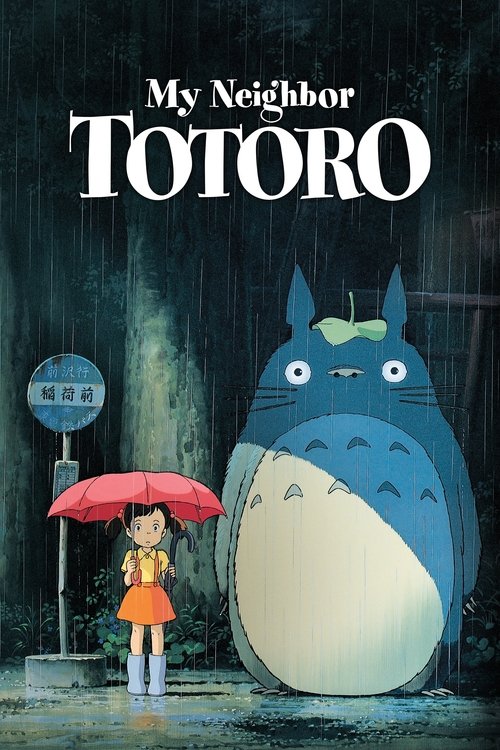
The plot of My Neighbor Totoro is deceptively simple. Sisters Satsuki, the responsible older sister, and Mei, the adventurous younger one, move with their father to a rural house in the Japanese countryside. Their mother is hospitalized nearby, and the move is intended to bring them closer to her. The film chronicles their experiences adjusting to their new surroundings, which are filled with the magic of the natural world. Mei, in her explorations, stumbles upon the titular Totoro, a large, furry forest spirit. Satsuki eventually meets him too, and together they embark on a series of whimsical adventures, planting seeds that sprout into a towering tree, riding the Catbus through the night sky, and ultimately, seeking Totoro's help when Mei gets lost.
The beauty of the plot lies not in its complexity, but in its authenticity. It mirrors the everyday experiences of childhood: the thrill of discovery, the fear of the unknown, the unwavering love for family. Miyazaki avoids grand conflicts and dramatic plot twists, opting instead for a gentle, observational approach. This allows the audience to fully immerse themselves in the children's world, experiencing their joys and anxieties alongside them.
However, some may find the lack of a traditional antagonist or a high-stakes conflict disappointing. The film's pacing is deliberately slow, allowing for extended scenes of the children simply exploring their surroundings. This can be perceived as uneventful by viewers accustomed to more action-packed narratives. But this deliberate pacing is crucial to the film's overall effect, creating a sense of tranquility and allowing the magic of the forest to permeate the screen.
Characters: Embodiments of Innocence and Wonder
The characters in My Neighbor Totoro are meticulously crafted and deeply relatable. Satsuki and Mei are not simply archetypes; they are fully realized individuals with distinct personalities and motivations. Satsuki is responsible and caring, taking on a maternal role while her mother is away. She's brave but also burdened by the weight of responsibility. Mei, on the other hand, is impulsive and curious, a bundle of boundless energy. Her unbridled enthusiasm is infectious, drawing the audience into her world of wonder.
Their father, Tatsuo Kusakabe, is a supportive and understanding figure. He encourages his daughters' imaginations and provides them with a safe and loving environment. He's a professor who is also working on a book, often lost in his thoughts, but always present for his children. His unwavering belief in the possibility of magic allows the girls to fully embrace their experiences with Totoro.
Totoro himself is an enigmatic and awe-inspiring creature. He's not a talkative character; his presence is defined by his gentle demeanor and his connection to the natural world. He represents the untamed power and mystery of the forest, a force that is both comforting and slightly intimidating. His iconic design, with his soft fur, large eyes, and rumbling purr, has made him one of the most beloved characters in animation history.
While the main characters are exceptionally well-developed, the supporting characters are somewhat less fleshed out. The elderly woman who lives next door is kind and helpful, but her role is primarily functional. Similarly, Kanta, the shy boy who initially teases Satsuki and Mei, is a relatively stock character. However, these minor characters serve to enrich the world of the film, adding to its sense of realism and community.
Direction and Cinematography: A Visual Symphony
Hayao Miyazaki's direction in My Neighbor Totoro is nothing short of masterful. He seamlessly blends realism and fantasy, creating a world that feels both familiar and magical. His attention to detail is evident in every frame, from the rustling of leaves in the wind to the intricate patterns on the girls' kimonos. The film is visually stunning, with vibrant colors and lush landscapes that evoke the beauty of the Japanese countryside.
The cinematography is equally impressive. The camera glides effortlessly through the scenes, capturing the children's movements with a sense of fluidity and grace. The use of light and shadow is particularly effective, creating a sense of atmosphere and depth. The scenes in the forest are especially breathtaking, with dappled sunlight filtering through the trees and creating a sense of enchantment.
Miyazaki's use of animation is also noteworthy. The characters move with a naturalism and expressiveness that is rarely seen in animated films. Their facial expressions are nuanced and believable, conveying a wide range of emotions. The animation of Totoro is particularly impressive, capturing his immense size and gentle nature with remarkable detail.
One potential criticism is the reliance on hand-drawn animation, which some viewers may find less visually appealing than modern CGI animation. However, the hand-drawn aesthetic is an integral part of the film's charm, giving it a warmth and authenticity that is often lacking in computer-generated animation. The imperfections and irregularities of the hand-drawn lines add to the film's unique character and contribute to its timeless quality.
Performances: Capturing the Essence of Childhood
The voice acting in My Neighbor Totoro is superb, particularly in the Japanese original. The voice actors perfectly capture the personalities and emotions of their characters. Chika Sakamoto, as Satsuki, conveys the character's strength and responsibility with remarkable maturity. Noriko Hidaka, as Mei, captures the character's boundless energy and infectious enthusiasm with effortless charm.
The English dub is also well-done, although it inevitably loses some of the nuances of the original Japanese. Dakota Fanning and Elle Fanning, as Satsuki and Mei respectively, deliver strong performances, capturing the characters' innocence and wonder. Tim Daly, as the father, provides a warm and supportive presence.
The success of the voice acting lies in its ability to create believable and relatable characters. The actors don't simply read their lines; they embody their characters, conveying their emotions through their voices and inflections. This is crucial to the film's overall impact, allowing the audience to connect with the characters on a deeper level.
While the performances are generally excellent, some viewers may find the exaggerated expressions and vocalizations of certain characters, particularly Mei, to be somewhat jarring. However, this is a common stylistic choice in Japanese animation and is intended to enhance the comedic effect of certain scenes.
Themes and Messages: A Celebration of Nature and Family
My Neighbor Totoro is rich in themes and messages, exploring the importance of nature, the power of imagination, and the enduring strength of family. The film celebrates the beauty and wonder of the natural world, portraying the forest as a place of magic and enchantment. Totoro himself is a symbol of this connection to nature, representing the untamed power and mystery of the wilderness.
The film also emphasizes the importance of imagination and play in childhood. Satsuki and Mei's adventures with Totoro are a testament to the power of imagination to transform the ordinary into the extraordinary. The film encourages viewers to embrace their own sense of wonder and to see the world through the eyes of a child.
Above all, My Neighbor Totoro is a celebration of family. The bond between Satsuki and Mei is the heart of the film, and their love for each other is unwavering. The film also portrays a positive and supportive family dynamic, with a father who is present and engaged in his children's lives. This emphasis on family values is a recurring theme in Miyazaki's work.
One potential criticism is the film's idealized portrayal of childhood. The challenges and hardships that children often face are largely absent from the narrative. However, this idealized portrayal is intentional, reflecting Miyazaki's desire to create a film that is both uplifting and comforting. The film offers a glimpse into a world where innocence and wonder prevail, providing a respite from the harsh realities of everyday life.
Comparison to Other Films and Director's Previous Works
My Neighbor Totoro shares thematic similarities with other films that celebrate the power of imagination and the beauty of nature, such as Where the Wild Things Are and Ponyo, another Miyazaki film. All three films feature children who embark on fantastical adventures, blurring the lines between reality and fantasy. However, My Neighbor Totoro is unique in its gentle and understated approach, eschewing the more dramatic elements found in the other two films.
Compared to Miyazaki's earlier works, such as Nausicaä of the Valley of the Wind, My Neighbor Totoro is a much more intimate and personal film. While Nausicaä deals with grand themes of environmentalism and social justice, My Neighbor Totoro focuses on the everyday experiences of two young girls. This shift in focus reflects Miyazaki's growing interest in exploring the themes of childhood and family.
Later works by Miyazaki, such as Spirited Away and Howl's Moving Castle, build upon the themes and visual style of My Neighbor Totoro. These films feature strong female protagonists who navigate fantastical worlds, encountering magical creatures and overcoming personal challenges. However, My Neighbor Totoro remains a unique and enduring work, beloved for its simplicity, its charm, and its timeless message.
Positive Aspects and Constructive Criticism
My Neighbor Totoro is a film that excels in many areas. Its beautiful animation, memorable characters, and heartwarming story make it a joy to watch. The film's themes of nature, family, and imagination are timeless and universal, resonating with audiences of all ages and backgrounds. Miyazaki's direction is masterful, creating a world that is both magical and believable.
However, the film is not without its flaws. The plot is deliberately slow-paced, which may not appeal to all viewers. The supporting characters are somewhat underdeveloped, and the film's idealized portrayal of childhood may seem unrealistic to some. The lack of a traditional antagonist or a high-stakes conflict may also be a drawback for viewers accustomed to more action-packed narratives.
Despite these minor criticisms, My Neighbor Totoro remains a remarkable achievement in animation. Its strengths far outweigh its weaknesses, and its enduring popularity is a testament to its quality and its enduring appeal. It's a film that can be enjoyed by children and adults alike, offering a glimpse into a world of wonder and enchantment.
Conclusion and Rating
My Neighbor Totoro is more than just an animated film; it's a cinematic poem, a celebration of childhood wonder, and a testament to the power of family. Its gentle narrative, breathtaking artistry, and timeless themes make it a film that will continue to captivate audiences for generations to come. While it may not be for viewers seeking high-octane action or complex plot twists, those who appreciate subtle storytelling and beautiful animation will find much to love in this masterpiece.
Rating: 9.5/10