Bukra - Review
Bukra: A Heartrending Sprint Against Time and Loss - A Review
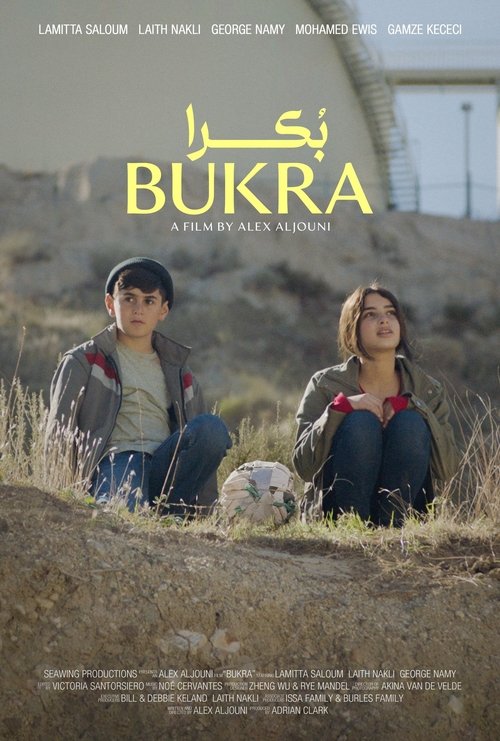
Bukra, meaning "tomorrow" in Arabic, is more than just a title; it's a poignant whisper of hope and resilience echoing through a landscape scarred by displacement and uncertainty. Released on January 1st, 2024, this film, centered around a young Syrian refugee, is a masterclass in understated storytelling, pulling at the heartstrings without resorting to melodrama. Winning a soccer ball becomes the catalyst for a desperate race against time, a race not just to claim a prize, but to salvage a friendship on the precipice of permanent separation. Prepare to be moved, challenged, and ultimately, inspired.
Plot Summary and Analysis
The narrative of Bukra unfolds with a deliberate, almost documentary-like realism. We are introduced to Farah, a bright and spirited young girl living in a refugee camp. Her life, though filled with the hardships of displacement, retains a semblance of normalcy thanks to her unwavering friendship with Sami. Their shared passion for soccer becomes a vital source of joy and connection in their otherwise precarious existence. When Farah wins a brand-new soccer ball in a sweepstakes, it feels like a beacon of hope, a tangible symbol of a brighter future. However, the joy is quickly tempered by the news that Sami's family is being relocated, potentially to another country. This sets in motion a frantic quest to reach the sweepstakes office and claim the prize before Sami departs, allowing them one final, unforgettable game together.
The beauty of the plot lies in its simplicity. There are no grand, sweeping action sequences or convoluted subplots. Instead, the film focuses on the intimate details of Farah's journey, highlighting the challenges she faces as a young refugee. Bureaucratic hurdles, logistical nightmares, and the constant threat of further displacement all contribute to a mounting sense of urgency. The sweepstakes office, initially a symbol of hope, becomes a frustrating embodiment of the systemic obstacles that refugees often encounter. The film masterfully uses these obstacles to amplify the emotional stakes, making Farah's quest not just about a soccer ball, but about preserving a vital connection in a world that constantly threatens to tear them apart.
The pacing is deliberate, allowing the audience to fully immerse themselves in Farah's world. Moments of quiet reflection are interspersed with bursts of frantic energy, mirroring the emotional rollercoaster that Farah experiences. The ending, while perhaps not conventionally happy, is deeply resonant, leaving the audience with a sense of bittersweet hope and a profound understanding of the enduring power of friendship in the face of adversity.
Character Development and Performances
Bukra thrives on its authentic and compelling characters, brought to life by exceptional performances. Farah, played by newcomer (and actual refugee) Layla Hassan, is the heart and soul of the film. Hassan's performance is remarkably natural and nuanced, capturing Farah's resilience, vulnerability, and unwavering determination with remarkable authenticity. She embodies the spirit of countless children forced to navigate unimaginable circumstances, making her character instantly relatable and deeply sympathetic.
Sami, played by young actor Omar Khaled, is equally compelling. He portrays Sami as a loyal and supportive friend, grappling with the uncertainty of his future. Their on-screen chemistry is palpable, making their bond feel genuine and deeply moving. The supporting cast, comprised largely of non-professional actors from refugee communities, adds another layer of authenticity to the film. Their performances are raw and honest, reflecting the lived experiences of displacement and the everyday struggles faced by refugees.
The adult characters, while less central to the plot, also contribute significantly to the film's overall impact. Farah's mother, played by veteran actress Nadia Ali, provides a grounding presence, offering unwavering support and guidance to her daughter. Her performance is subtle yet powerful, conveying the quiet strength and resilience of refugee mothers who strive to create a sense of normalcy for their children in the midst of chaos. Even the minor characters, such as the sympathetic sweepstakes employee or the helpful bus driver, are portrayed with empathy and nuance, highlighting the importance of human connection in a world often defined by division.
Direction and Cinematography
The direction of Bukra is masterful in its restraint and sensitivity. Director Rashid Al-Amin avoids sensationalism, instead opting for a grounded and realistic portrayal of refugee life. He allows the story to unfold organically, trusting the actors and the setting to convey the emotional weight of the narrative. The film's visual style complements this approach, employing a documentary-like aesthetic that enhances its authenticity.
The cinematography is particularly noteworthy. The camera lingers on the faces of the characters, capturing their emotions with remarkable clarity. The use of natural light and handheld camerawork creates a sense of immediacy and intimacy, drawing the audience into Farah's world. The film also effectively utilizes the physical landscape of the refugee camp, showcasing its harsh realities while also highlighting moments of unexpected beauty. The dusty streets, the makeshift shelters, and the sprawling open spaces all contribute to a powerful sense of place, grounding the story in a specific and tangible reality.
Al-Amin's direction is also evident in the film's sound design. The sounds of the camp – the children playing, the calls to prayer, the distant rumble of traffic – create a rich and immersive soundscape that further enhances the film's realism. The music, while used sparingly, is incredibly effective, underscoring the emotional beats of the story without being overly sentimental.
Themes and Messages
Bukra is a film rich in thematic depth, exploring a range of complex and timely issues. At its core, the film is a powerful testament to the enduring power of friendship, particularly in the face of adversity. Farah and Sami's bond transcends cultural and linguistic barriers, offering a glimpse of hope and connection in a world often defined by division. The film also explores the themes of resilience, displacement, and the challenges faced by refugees, particularly children.
The film does not shy away from depicting the harsh realities of refugee life, including the bureaucratic hurdles, the lack of resources, and the constant threat of further displacement. However, it also emphasizes the strength and resilience of refugee communities, showcasing their ability to maintain their dignity and humanity in the face of unimaginable hardship. The film's message is ultimately one of hope, suggesting that even in the darkest of times, human connection and the pursuit of dreams can provide a sense of purpose and meaning.
Beyond the immediate context of the refugee crisis, Bukra also raises broader questions about empathy, compassion, and our responsibility to care for those less fortunate. It challenges viewers to confront their own biases and assumptions about refugees, and to recognize the shared humanity that binds us all together. The film's title, "Bukra," serves as a constant reminder of the importance of hope and the belief in a better future, even when the present seems bleak.
Comparison to Similar Films
Bukra can be compared to other films that explore the themes of displacement and the refugee experience, such as "Capernaum" (Lebanon, 2018) and "The Good Lie" (USA, 2014). Like "Capernaum," Bukra focuses on the perspective of a child living in poverty and hardship, offering a raw and unflinching portrayal of their struggles. However, while "Capernaum" is often bleak and despairing, Bukra maintains a sense of hope and resilience, emphasizing the importance of human connection and the pursuit of dreams.
Compared to "The Good Lie," which tells the story of Sudanese refugees resettling in the United States, Bukra offers a more intimate and localized perspective on the refugee experience. While "The Good Lie" focuses on the challenges of cultural adaptation and assimilation, Bukra is more concerned with the immediate struggles of displacement and the importance of preserving cultural identity. Al-Amin's previous documentary work also informs the film's style and approach, lending it a sense of authenticity and realism that distinguishes it from more conventional narrative films.
What sets Bukra apart from other films in this genre is its understated approach and its focus on the specific experiences of Syrian refugees. The film avoids broad generalizations and instead focuses on the individual stories of Farah and Sami, making their struggles feel personal and relatable. The use of non-professional actors and the documentary-like aesthetic further enhance the film's authenticity, creating a powerful and moving portrait of refugee life.
Positive Aspects
Bukra excels in several key areas. The performances, particularly those of Layla Hassan and Omar Khaled, are exceptional. Their natural and nuanced portrayals of Farah and Sami make their characters instantly relatable and deeply sympathetic. The direction is masterful in its restraint and sensitivity, allowing the story to unfold organically and avoiding sensationalism. The cinematography is visually stunning, capturing the beauty and harshness of the refugee camp with remarkable clarity. The film's thematic depth is also a major strength, exploring complex and timely issues with nuance and empathy.
The film's authenticity is another significant positive aspect. The use of non-professional actors from refugee communities, the documentary-like aesthetic, and the grounded portrayal of refugee life all contribute to a sense of realism that is both powerful and moving. Bukra is not just a film about refugees; it is a film that gives voice to refugees, allowing them to share their stories and experiences in their own terms.
Finally, Bukra is a film that stays with you long after the credits roll. Its powerful message of hope, resilience, and the enduring power of friendship resonates deeply, prompting reflection and inspiring empathy. It's a film that deserves to be seen and discussed widely, as it offers a valuable and timely perspective on one of the most pressing humanitarian crises of our time.
Constructive Criticism
While Bukra is a remarkably well-crafted film, there are a few areas where it could have been improved. The pacing, while deliberate, may feel slow to some viewers. While the film's focus on the intimate details of Farah's journey is a strength, it also means that the narrative sometimes lacks momentum. A slightly more dynamic plot structure could have helped to maintain audience engagement without sacrificing the film's realism.
Another potential criticism is that the film's ending, while resonant, may feel somewhat ambiguous. While the film avoids a conventionally happy ending, it also doesn't offer a clear resolution to Farah and Sami's story. Some viewers may find this lack of closure frustrating, while others may appreciate the film's refusal to offer easy answers.
Finally, while the film's focus on the experiences of Syrian refugees is a strength, it also means that it may not resonate as strongly with viewers who are unfamiliar with the specific challenges faced by this community. A brief prologue or epilogue providing more context about the Syrian refugee crisis could have helped to broaden the film's appeal and impact.
Conclusion and Rating
Bukra is a deeply moving and thought-provoking film that offers a powerful and authentic portrayal of refugee life. Its exceptional performances, masterful direction, and thematic depth make it a must-see for anyone interested in contemporary cinema and social justice issues. While the pacing may be slow for some viewers, and the ending somewhat ambiguous, the film's overall impact is undeniable. Bukra is a testament to the enduring power of hope, resilience, and the importance of human connection in the face of adversity. It's a film that will stay with you long after the credits roll, prompting reflection and inspiring empathy.
Rating: 9/10