Into The Poster - Review
Into The Poster: A Whimsical Adventure with a Touch of Cinematic Nostalgia
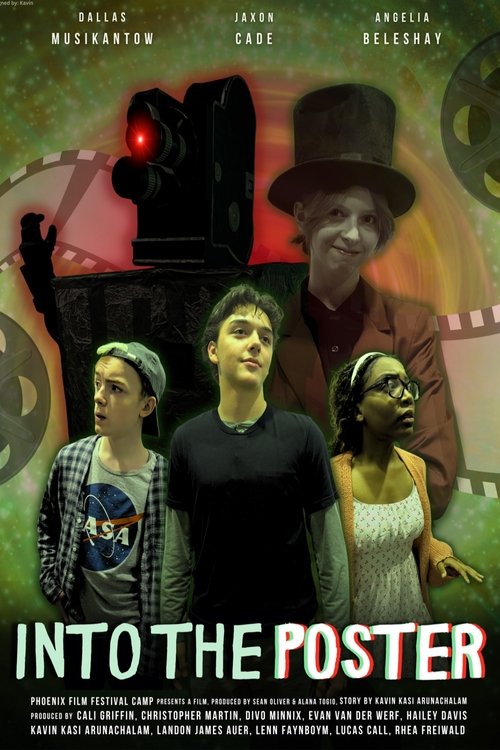
August 6th, 2025, marked the arrival of "Into The Poster," a film that promised a blend of fantasy, comedy, science fiction, and mystery, and for the most part, it delivered. Director Anya Sharma, known for her visually stunning but sometimes narratively inconsistent work (think "Chroma Bloom" and "Pixel Dust"), takes a brave leap into more grounded, character-driven territory, albeit with a fantastical twist. The film revolves around three teenagers who stumble upon an antique film shop and find themselves transported into the very worlds depicted in the vintage movie posters that adorn its walls. Is it a masterpiece? Not quite. But it's a charming and inventive piece of cinema that deserves a watch, particularly for those who harbor a deep love for classic films and the magic of storytelling.
Plot: A Journey Through Cinematic Realms
The narrative begins in the sleepy town of Oakhaven, where best friends Maya (played with endearing awkwardness by newcomer Chloe Davies), Liam (the cynical tech whiz portrayed by Ethan Bellweather), and Chloe (the adventurous and ever-optimistic Anya Sharma Jr., yes, the director's daughter) are spending a predictably boring summer. Their routine is shattered when they discover "Reel Time," an old film shop tucked away on a forgotten street. The shop owner, a quirky and enigmatic old man named Mr. Abernathy (veteran actor Samuel Peterson, clearly relishing the role), seems to know more than he lets on.
Intrigued by the vibrant and evocative movie posters lining the walls, the trio soon discovers that these aren't just ordinary advertisements. When Maya accidentally touches a poster for a 1950s sci-fi flick called "The Martian Menace," she's pulled into the poster, followed swiftly by Liam and Chloe. They find themselves in a black-and-white world of ray guns, flying saucers, and cardboard robots, facing the very Martian Menace advertised on the poster.
From there, the film becomes an anthology of sorts, with each poster acting as a portal to a different cinematic world. They jump from a swashbuckling pirate adventure ("The Crimson Corsair") to a classic Western ("Dust Devil Gulch") and even a romantic musical ("Moonlight Serenade"). Each world presents its own unique challenges and requires the teens to adopt the roles of characters within the film, often with hilarious and unexpected results. Liam's tech skills prove surprisingly useful in the Western setting, while Chloe's theatrical flair shines in the musical. Maya, initially the most hesitant, finds her courage tested and ultimately discovers her strength.
However, the transitions between these worlds aren't always seamless. While the initial jump into "The Martian Menace" is well-paced and exciting, some of the later transitions feel rushed, sacrificing character development for the sake of plot progression. The central mystery of Mr. Abernathy and the origins of the magical posters also feels somewhat underdeveloped, leaving the audience with more questions than answers by the film's conclusion. The ending, while emotionally satisfying, feels a tad too convenient, relying on a deus ex machina that undermines some of the character growth.
Characters: A Trio of Relatable Teens
The strength of "Into The Poster" lies in its characters. Maya, Liam, and Chloe are not just archetypes; they are well-rounded individuals with their own insecurities, quirks, and aspirations. Chloe Davies shines as Maya, portraying her initial timidity and gradual transformation into a confident and resourceful young woman with remarkable nuance. Ethan Bellweather brings a much-needed dose of sarcasm and wit to the role of Liam, but also manages to reveal the character's underlying vulnerability and loyalty to his friends. Anya Sharma Jr., while perhaps benefiting from a bit of nepotism, proves herself a capable actress, capturing Chloe's infectious enthusiasm and unwavering optimism.
Samuel Peterson's portrayal of Mr. Abernathy is another highlight. He imbues the character with a sense of both mystery and warmth, hinting at a deeper story that the film only partially explores. His performance is subtle and nuanced, leaving the audience constantly guessing about his true motivations. The supporting characters within each cinematic world are also well-cast and contribute to the overall charm and humor of the film. From the blustering pirate captain to the stoic gunslinger, each character feels authentic to the genre they inhabit.
However, the film could have benefited from exploring the relationships between the main characters in more depth. While their friendship is evident, the underlying tensions and conflicts that often arise in teenage relationships are largely glossed over. A few more scenes focusing on their individual struggles and how they support each other would have added more emotional weight to the narrative.
Direction and Cinematography: A Visual Feast
Anya Sharma's direction is, as always, visually stunning. The film is a feast for the eyes, with each cinematic world meticulously crafted to evoke the look and feel of its respective genre. The black-and-white aesthetic of "The Martian Menace" is perfectly replicated, while "The Crimson Corsair" is awash in vibrant colors and dramatic lighting. The attention to detail is remarkable, from the costumes and props to the set design and special effects.
The cinematography, handled by veteran cinematographer David Miller, is equally impressive. Miller masterfully captures the essence of each genre, using different camera angles, lighting techniques, and color palettes to create a distinct visual identity for each world. The action sequences are well-choreographed and exciting, while the quieter moments are imbued with a sense of intimacy and emotion. The use of CGI is seamless and effective, enhancing the fantastical elements of the story without overwhelming the narrative.
One minor criticism is that the film occasionally relies too heavily on visual spectacle at the expense of storytelling. Some scenes feel more like showcases for the special effects than integral parts of the plot. However, overall, the direction and cinematography are a major strength of "Into The Poster," creating a visually immersive and engaging experience for the audience.
Themes and Messages: The Power of Storytelling
"Into The Poster" explores several important themes, most notably the power of storytelling and the importance of embracing one's imagination. The film suggests that stories have the ability to transport us to different worlds, challenge our perspectives, and ultimately shape who we are. The teenagers' journey through the various cinematic realms forces them to confront their fears, overcome their insecurities, and discover their hidden potential.
The film also touches on the theme of nostalgia, celebrating the classic films of the past and reminding us of the enduring appeal of these timeless stories. Mr. Abernathy's film shop serves as a repository of cinematic history, a place where the magic of the past is kept alive. The film encourages viewers to appreciate the artistry and craftsmanship that went into creating these classic films and to recognize their continued relevance in the modern world.
Another subtle but important message is the importance of friendship and teamwork. The teenagers' success in navigating the various cinematic worlds depends on their ability to work together, support each other, and leverage their individual strengths. The film highlights the power of collaboration and the importance of having friends who believe in you, even when you doubt yourself.
Comparisons: Echoes of the Past
"Into The Poster" inevitably draws comparisons to other films that explore similar themes of imagination, storytelling, and the power of cinema. "The NeverEnding Story" (1984) immediately comes to mind, with its focus on a young boy who is drawn into the world of a magical book. "Pleasantville" (1998) also shares similarities, with its story of two teenagers who are transported into a black-and-white 1950s sitcom. Even elements of "Back to the Future" can be seen in the time-traveling aspect, albeit with a more fantastical bent.
However, "Into The Poster" manages to carve out its own unique identity by focusing on the specific genre of classic films. The film's anthology structure allows it to explore a wide range of cinematic styles and tropes, creating a diverse and engaging experience for the audience. Anya Sharma's direction also distinguishes the film from its predecessors, with its emphasis on visual spectacle and its modern sensibility.
Compared to Sharma's previous work, "Into The Poster" represents a significant step forward in terms of narrative coherence and character development. While her earlier films were visually stunning, they often suffered from convoluted plots and underdeveloped characters. "Into The Poster" is a more focused and emotionally resonant film, showcasing Sharma's growth as a storyteller.
Positive Aspects
- Engaging Plot: The premise is intriguing and the anthology structure keeps the story fresh and exciting.
- Strong Characters: The three leads are relatable and well-developed, with each actor delivering a memorable performance.
- Stunning Visuals: The cinematography and special effects are top-notch, creating a visually immersive and engaging experience.
- Nostalgic Appeal: The film celebrates classic films and reminds us of the enduring power of storytelling.
- Positive Messages: The film promotes the importance of imagination, friendship, and teamwork.
Constructive Criticism
- Uneven Pacing: Some of the transitions between cinematic worlds feel rushed, sacrificing character development for plot progression.
- Underdeveloped Mystery: The central mystery of Mr. Abernathy and the magical posters is not fully explored.
- Convenient Ending: The ending feels somewhat contrived, relying on a deus ex machina that undermines some of the character growth.
- Superficial Relationships: The relationships between the main characters could have been explored in more depth.
- Occasional Visual Overload: The film occasionally relies too heavily on visual spectacle at the expense of storytelling.
Conclusion
"Into The Poster" is a charming and inventive film that will appeal to fans of fantasy, comedy, science fiction, and classic cinema. While it's not without its flaws, the film's engaging plot, strong characters, stunning visuals, and positive messages make it a worthwhile watch. Anya Sharma has created a visually stunning and emotionally resonant film that showcases her growth as a storyteller. While a bit more depth in character relationships and a more satisfying resolution to the central mystery would have elevated the film even further, "Into The Poster" is ultimately a delightful and memorable cinematic experience.