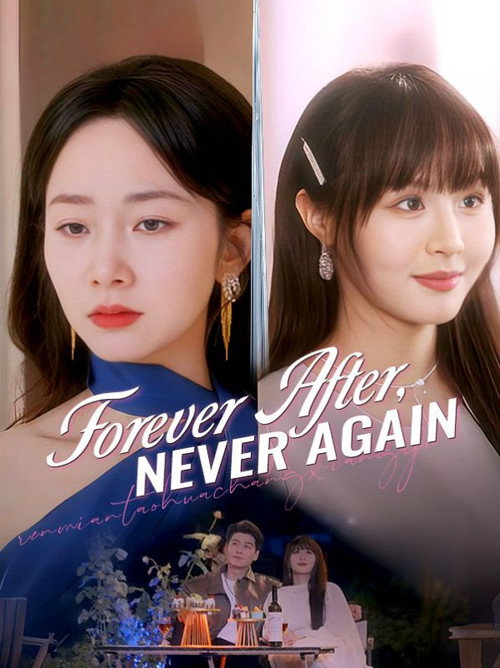
Forever After, Never Again - Review
Forever After, Never Again: A Twisted Tale of Love, Betrayal, and Unexpected Choices
Forever After, Never Again, the latest offering from director Anya Petrova, hit theaters on July 2nd, 2025, promising a complex tapestry of romance and drama. The film centers around Elara Rhode, a young woman navigating a life of emotional neglect and ultimately making a series of increasingly questionable decisions in her pursuit of love and acceptance. While the premise holds considerable promise, the execution proves to be a mixed bag, delivering moments of genuine emotional resonance alongside stretches of melodramatic excess and questionable character motivations. Prepare to be captivated, confused, and perhaps even a little frustrated by this ambitious, albeit flawed, cinematic endeavor.
Plot: A Labyrinth of Unrequited Love and Impulsive Decisions
The film opens with a glimpse into Elara's childhood, establishing the foundation for her deeply rooted insecurities. Her father, a successful businessman, is emotionally distant, and her stepmother, Isabella, is openly disdainful. This neglect fuels Elara's desperate need for affection, a need that becomes the driving force behind her actions throughout the film. Enter Ethan Walden, a stoic and undeniably attractive man hired as Elara's personal bodyguard. Elara's attraction to Ethan is immediate and intense, bordering on obsession. She throws herself at him, showering him with attention and gifts, but Ethan remains frustratingly aloof.
The plot thickens when we discover Ethan's secret: he's not just a bodyguard; he's the heir to the powerful Walden family, a revelation that adds a layer of complexity to his interactions with Elara. Furthermore, and perhaps most damaging to Elara, Ethan harbors secret feelings for her stepsister, Isabella. This revelation serves as the catalyst for Elara's descent into a series of increasingly rash decisions. In a moment of profound heartbreak and spite, Elara impulsively marries Charlie Shaw, a man trapped in a vegetative state following a tragic accident. This shocking act is intended as a form of rebellion, a desperate attempt to seize control of her life and inflict pain on those who have wronged her.
The remainder of the film explores the ramifications of Elara's choices. She grapples with the moral implications of her marriage to Charlie, while simultaneously navigating her complex relationships with Ethan and Isabella. The plot takes several unexpected turns, introducing new characters and subplots that further complicate Elara's already tangled web of relationships. While the narrative is undeniably engaging, it occasionally veers into melodramatic territory, relying on contrived plot devices and over-the-top emotional outbursts.
Characters: Flawed Individuals Seeking Connection
The strength of Forever After, Never Again lies in its flawed and complex characters. Elara Rhode, portrayed by rising star Anya Sharma, is a deeply sympathetic figure despite her questionable actions. Sharma delivers a nuanced performance, capturing Elara's vulnerability, insecurity, and desperate need for love. While her impulsive decisions can be frustrating, Sharma's portrayal ensures that Elara remains relatable, even in her darkest moments.
Ethan Walden, played by veteran actor Liam Hemsworth (not the Hunger Games Liam, but his equally talented younger brother!), is a more enigmatic character. His stoicism and emotional detachment make him difficult to read, and his motivations remain unclear for much of the film. While Hemsworth delivers a solid performance, Ethan ultimately feels underdeveloped, lacking the depth and complexity necessary to make him a truly compelling romantic lead. His affection for Isabella feels somewhat forced and lacks the emotional weight needed to justify his rejection of Elara.
Isabella, portrayed by Chloe Chen, is a more nuanced character than she initially appears. While presented as the stereotypical "evil stepsister," Chen imbues Isabella with a sense of vulnerability and internal conflict. It becomes clear that Isabella is also a victim of her circumstances, trapped in a loveless marriage and struggling to find her own identity. Her complicated relationship with Ethan adds another layer of intrigue to the narrative.
Charlie Shaw, despite being in a vegetative state, plays a crucial role in the film. His presence serves as a constant reminder of Elara's impulsive decision and the moral implications of her actions. While he obviously doesn't "perform" in the traditional sense, the film effectively uses his character to explore themes of guilt, responsibility, and the meaning of love and commitment.
Direction and Cinematography: A Visually Stunning but Unevenly Paced Experience
Anya Petrova, known for her visually stunning and emotionally resonant dramas, brings her signature style to Forever After, Never Again. The film is beautifully shot, with breathtaking cinematography that captures the opulence of the Walden family estate and the stark contrast of Elara's emotional turmoil. Petrova's use of color and lighting is particularly effective, creating a visually rich and immersive experience.
However, the film suffers from pacing issues. The first act feels rushed, cramming in too much exposition and failing to adequately establish the characters' motivations. The second act drags in places, dwelling on Elara's internal struggles without offering sufficient forward momentum. The third act, while undeniably dramatic, feels somewhat contrived, relying on melodramatic plot twists and over-the-top emotional outbursts. A tighter edit and a more focused narrative could have significantly improved the film's overall pacing.
Performances: A Mixed Bag of Talent
As mentioned earlier, Anya Sharma delivers a standout performance as Elara Rhode. She embodies the character's vulnerability, insecurity, and desperate need for love with remarkable authenticity. Liam Hemsworth is solid as Ethan Walden, but his performance lacks the depth and complexity necessary to make the character truly compelling. Chloe Chen provides a nuanced portrayal of Isabella, challenging the stereotypical "evil stepsister" trope. The supporting cast is generally strong, but some of the performances feel a bit wooden, lacking the emotional resonance of the lead actors.
Themes and Messages: Exploring Love, Betrayal, and the Consequences of Choice
Forever After, Never Again explores a range of complex themes, including love, betrayal, forgiveness, and the consequences of choice. The film examines the destructive power of unrequited love and the lengths to which people will go to find acceptance and validation. It also delves into the complexities of family relationships, highlighting the impact of neglect and emotional abuse on a person's development.
The film's central message revolves around the importance of making informed and responsible choices. Elara's impulsive decisions, driven by her emotional turmoil, ultimately lead to devastating consequences for herself and those around her. The film suggests that true happiness and fulfillment can only be found through self-awareness, self-acceptance, and a willingness to confront one's own flaws and insecurities.
Comparison to Other Films and Previous Works
Forever After, Never Again shares thematic similarities with other films exploring the complexities of love and betrayal, such as Dangerous Liaisons and Cruel Intentions. However, Petrova's film distinguishes itself through its focus on the psychological impact of emotional neglect and the protagonist's descent into a state of near-despair. The film also draws inspiration from classic fairy tales, particularly Cinderella, subverting the traditional narrative and offering a more nuanced and realistic portrayal of the "happily ever after."
Anya Petrova's previous works, such as The Silent Echo and Whispers of the Past, are known for their visually stunning cinematography and emotionally resonant storytelling. Forever After, Never Again shares these qualities, but it also represents a departure from Petrova's earlier films in terms of its narrative complexity and its willingness to explore darker themes. While the film may not be as polished as some of Petrova's previous works, it demonstrates her continued growth as a filmmaker and her willingness to take risks.
Positive Aspects
- Anya Sharma's standout performance as Elara Rhode
- Visually stunning cinematography and direction
- Exploration of complex themes and messages
- Nuanced portrayal of the "evil stepsister" character
- Engaging, albeit flawed, narrative
Constructive Criticism
- Pacing issues, particularly in the first and second acts
- Ethan Walden's underdeveloped character
- Occasional reliance on melodramatic plot devices
- Forced romantic connection between Ethan and Isabella
- Over-the-top emotional outbursts in the third act
Conclusion
Forever After, Never Again is a visually stunning and emotionally engaging film that explores the complexities of love, betrayal, and the consequences of choice. While the film suffers from pacing issues and some underdeveloped characters, Anya Sharma's standout performance and Anya Petrova's signature direction make it a worthwhile cinematic experience. Despite its flaws, Forever After, Never Again is a thought-provoking and ultimately rewarding film that will stay with you long after the credits roll.
Rating: 7.5/10