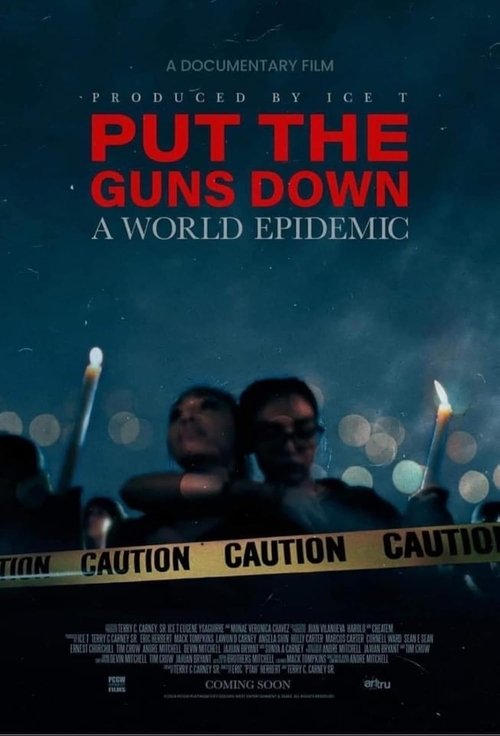
Put the Guns Down: A World Epidemic - Review
Review: Put the Guns Down: A World Epidemic - A Raw and Urgent Plea for Change
In a world saturated with violence, where headlines scream of conflict and tragedy, Put the Guns Down: A World Epidemic arrives not as a mere documentary, but as a visceral, unflinching cry for help. Released on July 12th, 2025, this powerful film, directed by Terry C. Carney, Sr. and Eric Herbert, and executive produced by the legendary Ice-T, plunges viewers deep into the heart of South Central Los Angeles, exposing the devastating realities of gun violence and the systemic issues that perpetuate it. This isn't just another news report; it's a deeply personal and profoundly moving exploration of a community grappling with an epidemic that threatens to consume it whole. Does it succeed in its mission? Let's delve into the details.
Plot and Structure: A Chronicle of Pain and Resilience
The film's narrative structure is less a linear plot and more a tapestry woven from individual stories, expert analysis, and historical context. Put the Guns Down doesn't shy away from the harsh realities; it embraces them. We are introduced to families who have lost loved ones to gun violence, former gang members seeking redemption, community leaders fighting for change, and law enforcement officers struggling to maintain order in a seemingly impossible situation. The documentary seamlessly interweaves these personal narratives with broader discussions about poverty, lack of opportunity, systemic racism, and the proliferation of firearms.
The strength of the film's structure lies in its ability to connect these disparate threads into a cohesive and compelling whole. We see how the absence of economic opportunity fuels desperation, how systemic racism creates barriers to advancement, and how the easy availability of guns transforms anger and frustration into deadly violence. The film masterfully avoids sensationalism, opting instead for a grounded and empathetic approach that allows the subjects to speak for themselves. The inclusion of influential figures like Spice 1 and Kokane, who have firsthand experience with the realities depicted, adds significant weight and authenticity to the narrative.
However, the non-linear structure occasionally feels disjointed. While the intention is to present a multifaceted view of the issue, some transitions between storylines can be abrupt, momentarily disrupting the flow. A more deliberate pacing and clearer signposting of thematic connections could have further strengthened the film's impact.
Characters and Interviews: Voices from the Front Lines
The true heart of Put the Guns Down lies in its characters. These are not actors reciting lines; they are real people sharing their raw and unfiltered experiences. The interviews are deeply moving, often heartbreaking, and always compelling. We meet mothers who have lost their children, their voices thick with grief and their eyes filled with a pain that is almost unbearable to witness. We hear from young men who have been caught in the cycle of violence, their stories a testament to the lack of opportunity and the pervasive sense of hopelessness that permeates their lives.
Spice 1 and Kokane offer invaluable insights, not only into the culture of gun violence but also into the potential for change. Their presence adds a layer of credibility and resonance that few other documentaries on this subject have achieved. They speak with a candor and vulnerability that is both refreshing and deeply affecting. They are not portrayed as villains or victims, but as complex individuals who have navigated the treacherous landscape of South Central and emerged with a desire to make a difference.
The inclusion of law enforcement perspectives is also crucial. While the film is undeniably critical of systemic issues, it also acknowledges the challenges faced by officers on the front lines. These interviews provide a balanced perspective, highlighting the complexities of policing in a community plagued by violence and mistrust.
One minor critique is that some of the secondary characters could have been more fully developed. While their stories are impactful, their screen time is limited, leaving the viewer wanting to know more about their lives and experiences. Expanding on these narratives would have further enriched the film's tapestry of perspectives.
Direction and Cinematography: A Visceral and Immersive Experience
Terry C. Carney, Sr. and Eric Herbert have crafted a documentary that is both visually arresting and emotionally resonant. The direction is deliberate and thoughtful, allowing the subjects to speak for themselves while subtly guiding the narrative. The film avoids sensationalism, opting instead for a grounded and empathetic approach that allows the viewer to connect with the characters on a human level.
The cinematography is equally impressive. The film captures the gritty reality of South Central Los Angeles with a raw and unflinching eye. The camera doesn't shy away from the harsh realities of poverty, violence, and despair, but it also finds moments of beauty and resilience amidst the chaos. The use of natural lighting and handheld cameras creates a sense of immediacy and intimacy, drawing the viewer into the world of the characters.
Drone shots provide a broader perspective, showcasing the scale of the problem and highlighting the systemic issues that contribute to gun violence. These aerial views serve as a stark reminder that this is not just a local problem; it is a national epidemic.
While the cinematography is generally excellent, there are a few instances where the editing feels somewhat rushed. Some scenes could have benefited from more breathing room, allowing the viewer to fully absorb the emotional impact of the moment. A more deliberate pace would have further enhanced the film's overall impact.
Themes and Messages: A Call for Change
Put the Guns Down is not simply a documentary about gun violence; it is a powerful call for change. The film explores a range of interconnected themes, including:
- The Cycle of Violence: The film highlights how poverty, lack of opportunity, and systemic racism contribute to a cycle of violence that is difficult to break.
- The Impact of Trauma: The documentary examines the devastating impact of trauma on individuals and communities, showing how violence can lead to PTSD, depression, and other mental health issues.
- The Importance of Community: The film emphasizes the importance of community support and intervention in addressing gun violence. It showcases the work of community organizations that are working to provide resources and opportunities for young people.
- The Need for Systemic Change: The documentary argues that addressing gun violence requires more than just law enforcement; it requires systemic change that addresses the root causes of the problem.
The film's central message is that gun violence is a preventable epidemic. It argues that by addressing the root causes of the problem, investing in community resources, and promoting a culture of peace, we can create a safer and more just society for all.
The film doesn't offer easy solutions, but it does provide a roadmap for change. It calls on individuals, communities, and policymakers to work together to address this urgent crisis.
Comparison to Other Films and Works
Put the Guns Down shares thematic similarities with other documentaries exploring gun violence in America, such as 13th (Ava DuVernay) and Bowling for Columbine (Michael Moore). However, it distinguishes itself through its specific focus on South Central Los Angeles and its emphasis on the personal stories of those affected by gun violence. Unlike Bowling for Columbine, which takes a more satirical and polemical approach, Put the Guns Down is more grounded and empathetic, allowing the subjects to speak for themselves.
Given Ice-T's involvement as an executive producer, the film also bears some resemblance to his previous work, particularly his music and his role in television shows like Law & Order: Special Victims Unit. Like his music, Put the Guns Down is unflinching in its portrayal of violence and its critique of systemic issues. And like his role in Law & Order, the film explores the complexities of law enforcement and the challenges of addressing crime in a complex and rapidly changing world.
Compared to Terry C. Carney, Sr.'s and Eric Herbert's previous works, this documentary represents a significant step forward in terms of scope and ambition. While their earlier projects focused on more localized issues, Put the Guns Down tackles a national epidemic with a broad and comprehensive approach.
Positive Aspects
Put the Guns Down is a powerful and important film that deserves to be seen by a wide audience. Its strengths include:
- Raw and Unflinching Honesty: The film doesn't shy away from the harsh realities of gun violence.
- Compelling Personal Narratives: The interviews with those affected by gun violence are deeply moving and thought-provoking.
- Balanced Perspective: The film includes perspectives from law enforcement, community leaders, and former gang members.
- Clear Call for Change: The documentary offers a roadmap for addressing gun violence and creating a more just society.
- Strong Production Values: The cinematography and editing are generally excellent.
Constructive Criticism
While Put the Guns Down is a powerful film, there are a few areas where it could be improved:
- Pacing and Structure: The non-linear structure occasionally feels disjointed.
- Character Development: Some of the secondary characters could have been more fully developed.
- Editing: Some scenes could have benefited from more breathing room.
Conclusion
Put the Guns Down: A World Epidemic is a vital and urgent documentary that sheds light on the devastating realities of gun violence in South Central Los Angeles. While it's not without its minor flaws, its raw honesty, compelling personal narratives, and clear call for change make it a must-see for anyone concerned about this pressing issue. It's a film that will stay with you long after the credits roll, prompting reflection and inspiring action. It's a testament to the resilience of the human spirit and a powerful reminder that change is possible.
Ultimately, Put the Guns Down doesn't just show us the problem; it challenges us to be part of the solution. It's a difficult watch, but a necessary one.