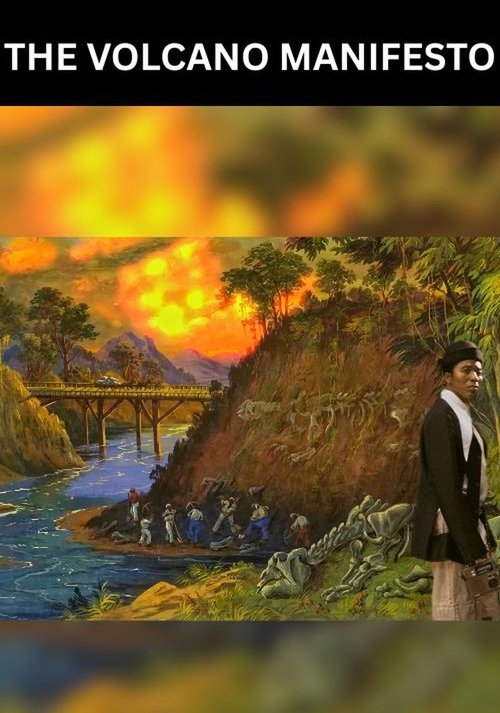
The Volcano Manifesto - Review
The Volcano Manifesto: A Trilogy of Earth and Cinema
Cauleen Smith's The Volcano Manifesto, presented as a unified trilogy comprising My Caldera (2022), Mines to Caves (2023), and The Deep West Assembly (2024), is not merely a film; it’s an experience, a deep dive into the geological and cinematic, a visual poem etched in volcanic ash and the echoing silence of caves. This is not popcorn cinema. It demands patience, rewards contemplation, and challenges conventional narrative structures. Prepare to be immersed, not entertained, in the traditional sense.
A Trilogy Unveiled: Plot and Structure
The structure of The Volcano Manifesto, being a compilation of three distinct yet interconnected films, requires individual analysis before examining their collective impact. Each segment operates with its own visual language and thematic emphasis, contributing to the overall manifesto Smith aims to articulate.
My Caldera (2022): An Intimate Portrait of the Earth's Breath
My Caldera sets the stage, literally and figuratively. It's a slow burn, focusing on the stark beauty and latent power of volcanic landscapes. There is no traditional plot in the conventional sense. Instead, the narrative unfolds through carefully composed shots of volcanic formations, geothermal activity, and the sparse vegetation that clings to life in this extreme environment. Sounds of bubbling mud, hissing steam vents, and the wind whistling through the desolate terrain form a crucial part of the film's soundscape. The human presence is minimal, almost reverential, suggesting a deep respect for the geological forces at play. The film could be interpreted as a meditation on time – geological time measured in millennia, contrasting with the fleeting human lifespan.
Mines to Caves (2023): Echoes of Labor and the Subterranean World
Mines to Caves shifts the focus from the explosive outward force of volcanoes to the introspective depths of mines and caves. While still largely devoid of conventional narrative, this segment introduces more human elements, albeit indirectly. We see glimpses of mining infrastructure, abandoned tools, and the remnants of human activity within the earth. The film explores the themes of exploitation, both of the earth's resources and the labor of those who extract them. The claustrophobic environment of the caves, coupled with the echoes of past industry, creates a palpable sense of history and the weight of human impact. There’s a strong undercurrent of melancholy, a lament for what has been taken and what has been lost.
The Deep West Assembly (2024): A Gathering of Voices and Visions
The Deep West Assembly marks a departure from the largely observational style of the previous two films. It introduces a more direct human presence, featuring a series of vignettes and performances set against the backdrop of the American West. These performances range from spoken word poetry to experimental music, all thematically linked to the themes of land, history, and resistance. The film feels like a culmination of the ideas explored in the previous segments, bringing together the geological and the human in a powerful and often unsettling way. It's the most overtly political of the three films, touching on issues of environmental justice, indigenous rights, and the legacy of colonialism.
Characters: The Earth as Protagonist
The Volcano Manifesto doesn't feature traditional characters in the human sense. The Earth itself, in its various geological forms, becomes the central protagonist. The volcanoes, mines, and caves are not merely backdrops; they are active participants in the unfolding narrative. They possess a history, a character, and a power that dwarfs any human presence. The human figures that do appear, particularly in The Deep West Assembly, serve as conduits for expressing the complex relationship between humanity and the natural world. They are storytellers, activists, and artists who seek to understand and interpret the Earth's message.
Direction: A Deliberate Pace and a Poetic Eye
Cauleen Smith's direction is characterized by a deliberate pace, a keen eye for visual detail, and a poetic sensibility. She eschews traditional narrative conventions in favor of a more associative and impressionistic approach. Her films are not about telling a story in the conventional sense; they are about creating an experience, evoking a mood, and prompting reflection. The long takes, the carefully composed shots, and the evocative sound design all contribute to the film's immersive quality. Smith's direction is reminiscent of the work of filmmakers like Terrence Malick and Andrei Tarkovsky, who prioritize atmosphere and visual poetry over plot-driven narratives.
Cinematography: Earth Tones and Striking Visuals
The cinematography in The Volcano Manifesto is stunning, capturing the stark beauty and raw power of the Earth's landscapes. The color palette is dominated by earth tones – browns, grays, reds, and blacks – reflecting the volcanic and subterranean environments. The use of natural light is particularly effective, creating a sense of realism and authenticity. The camera often lingers on details – the texture of volcanic rock, the flow of geothermal water, the patterns of erosion – inviting the viewer to appreciate the intricate beauty of the natural world. There are moments of breathtaking visual grandeur, such as sweeping shots of volcanic calderas and deep cave systems, but also moments of quiet intimacy, such as close-ups of lichen growing on rocks.
Performances: Voices of Resistance and Remembrance
While My Caldera and Mines to Caves largely eschew traditional performances, The Deep West Assembly features a series of powerful and moving performances by artists, activists, and community members. These performances are not always polished or professional, but they are always authentic and deeply felt. The spoken word poetry is particularly impactful, addressing issues of environmental injustice, indigenous rights, and the legacy of colonialism. The musical performances, often experimental and improvisational, add another layer of emotional depth to the film. These are not performances in the conventional sense; they are expressions of resistance, remembrance, and hope.
Themes and Messages: Time, Exploitation, and Resistance
The Volcano Manifesto is a rich and complex work that explores a wide range of themes, including: * Geological Time: The film contrasts the vast timescale of geological processes with the fleeting nature of human existence, prompting reflection on our place in the universe. * Exploitation: The film examines the ways in which humans have exploited the Earth's resources, particularly through mining, and the consequences of this exploitation. * Environmental Justice: The film highlights the disproportionate impact of environmental degradation on marginalized communities, particularly indigenous populations. * Resistance: The film celebrates the resilience and resistance of those who are fighting for environmental justice and social change. * Memory and History: The film explores the ways in which the Earth holds memories of the past, both human and geological, and the importance of remembering these histories. * The Power of Place: The film emphasizes the importance of place and the ways in which our connection to the land shapes our identity and our values. The overall message of The Volcano Manifesto is a call for a more sustainable and just relationship with the Earth. It is a reminder that we are not separate from nature, but rather an integral part of it, and that our actions have consequences that will reverberate through time.
Comparisons: Echoes of Malick and Beyond
Cauleen Smith's work inevitably draws comparisons to Terrence Malick, particularly his later films like The Tree of Life and Voyage of Time, which also prioritize visual poetry and philosophical reflection over traditional narrative. However, Smith's work is also distinct from Malick's in its focus on social justice and its engagement with contemporary political issues. Her work also shares similarities with that of experimental filmmakers like Stan Brakhage and Maya Deren, who explored the boundaries of cinematic language and sought to create a more subjective and sensory experience for the viewer.
Compared to Smith's previous works, The Volcano Manifesto feels like a culmination of her artistic vision. It brings together many of the themes and concerns that she has explored in her earlier films, such as the intersection of race, gender, and environmental justice, and presents them in a powerful and visually stunning way.
Positive Aspects: A Visual Masterpiece with a Powerful Message
The Volcano Manifesto is a visually stunning and intellectually stimulating film that offers a unique and powerful perspective on the relationship between humanity and the natural world. The cinematography is breathtaking, the sound design is evocative, and the performances are deeply moving. The film's themes are timely and relevant, and its message is one of hope and resilience. It is a film that will stay with you long after you have seen it.
Constructive Criticism: Demanding and Possibly Alienating
While The Volcano Manifesto is a powerful and rewarding film, it is not without its challenges. Its deliberate pace and unconventional narrative structure may be off-putting to some viewers. The lack of clear plot and character development can make it difficult to engage with the film on an emotional level. The film's dense and complex themes may also require some prior knowledge of environmental justice and geological history. This is not a film for casual viewing; it demands patience, attention, and a willingness to engage with its challenging ideas. Some may find the lack of a traditional narrative frustrating, and the film's length (as a trilogy) could be a barrier for some viewers.
Conclusion: A Vital and Visionary Work
The Volcano Manifesto is a challenging but ultimately rewarding film that offers a unique and powerful perspective on the relationship between humanity and the natural world. It is a visual masterpiece with a vital message, a call for a more sustainable and just future. While its unconventional narrative structure may not appeal to all viewers, those who are willing to engage with its challenging ideas will find it to be a deeply moving and thought-provoking experience. Cauleen Smith has created a truly visionary work that deserves to be seen and discussed.