Subhuman Services - Review
A Symphony of Bureaucratic Agony: A Review of "Subhuman Services"
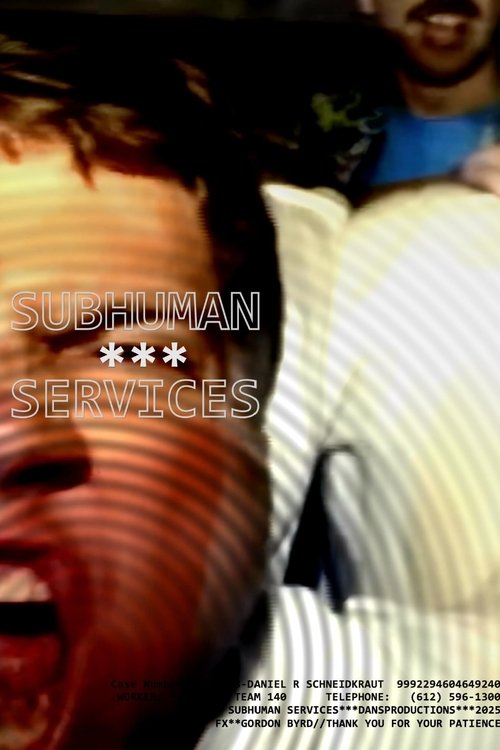
The year is 2025. We're bombarded with streaming services, AI-generated content, and a general sense of cultural oversaturation. Against this backdrop, a film emerges that is as audacious as it is unsettling: "Subhuman Services," a self-described "reflection on personal and systemic failures woven into an analysis of The Department of Human Services hold music." Yes, you read that right. Director Anya Sharma, known for her experimental documentaries, has crafted a cinematic experience that is both deeply personal and disturbingly universal, using the seemingly mundane backdrop of bureaucratic hold music as a lens through which to examine the failings of our social safety nets and the human cost of systemic indifference.
Plot: A Cacophony of Waiting
To call "Subhuman Services" a plot-driven film would be a misnomer. It operates more as a series of interconnected vignettes, linked by the ever-present, maddeningly repetitive hold music of the Department of Human Services (DHS). Sharma weaves together archival footage, personal interviews, and stylized recreations to paint a portrait of individuals navigating the labyrinthine bureaucracy of the DHS. We see snippets of Jimmy Buffett concerts juxtaposed with grainy footage of people desperately trying to reach a caseworker. Duran Duran's synth-pop anthems are layered over scenes of overflowing waiting rooms and mountains of paperwork. Steely Dan's cynical lyrics underscore the disillusionment of both the applicants and the employees. Paula Cole's introspective ballads amplify the deep loneliness and isolation experienced by those caught in the system. Even the guilty pleasure of late-night cable erotica finds its place, symbolizing the escapism and desperation that can accompany such prolonged periods of uncertainty.
The film doesn't offer a linear narrative, but instead presents a fragmented collage of experiences. We meet Maria, a single mother struggling to keep her family afloat after losing her job. We see David, a veteran battling PTSD and navigating the complex process of accessing mental health services. We encounter Sarah, a caseworker overwhelmed by the sheer volume of cases and struggling to maintain her empathy in the face of constant frustration. These stories, though fictionalized, are clearly rooted in reality, and Sharma masterfully interweaves them with real-life testimonies and archival footage of political debates surrounding welfare reform and social services.
The recurring motif of the hold music acts as a constant reminder of the dehumanizing nature of the system. It's a sonic representation of the endless waiting, the bureaucratic red tape, and the feeling of being trapped in a system that seems designed to frustrate and discourage. The film cleverly utilizes the music not just as background noise, but as a narrative device, using its changing tempos and instrumentation to reflect the emotional states of the characters.
Characters: Faces in the Crowd, Voices in the Void
While "Subhuman Services" doesn't focus on traditional character development, it excels at presenting a diverse and compelling cast of individuals whose lives are inextricably linked to the DHS. Maria, played with quiet desperation by newcomer Isabella Rodriguez, embodies the resilience and vulnerability of single mothers struggling to make ends meet. David, portrayed by veteran actor Michael Chen with a nuanced blend of anger and despair, captures the challenges faced by veterans navigating the complexities of the healthcare system. Sarah, brought to life by Emily Carter with a weary idealism, represents the internal conflict of caseworkers trying to make a difference within a flawed system.
The film avoids simplistic portrayals, presenting each character with their own flaws and complexities. Maria makes questionable decisions out of desperation. David struggles with his anger and distrust of authority. Sarah sometimes loses her patience and succumbs to bureaucratic apathy. These imperfections make the characters feel real and relatable, allowing the audience to connect with their struggles on a deeper level.
Beyond the fictionalized characters, the film also features interviews with real people who have experienced the DHS firsthand. These testimonies add a powerful layer of authenticity and provide a sobering reminder of the human cost of systemic failures. These voices in the void, often unheard and ignored, are finally given a platform to share their stories and demand accountability.
Direction: A Symphony of Discomfort
Anya Sharma's direction in "Subhuman Services" is nothing short of masterful. She creates a visually and aurally unsettling atmosphere that perfectly reflects the themes of the film. Her use of archival footage is both poignant and provocative, juxtaposing nostalgic images of pop culture with the harsh realities of poverty and bureaucratic indifference. The seamless integration of fictionalized scenes and real-life testimonies blurs the lines between documentary and narrative filmmaking, creating a uniquely immersive experience.
Sharma's use of sound design is particularly noteworthy. The constant presence of the hold music, interspersed with snippets of conversation, bureaucratic jargon, and the sounds of everyday life, creates a cacophony of discomfort that perfectly mirrors the sensory overload experienced by those navigating the DHS. She also employs silence effectively, allowing moments of quiet contemplation to punctuate the chaos and amplify the emotional impact of the film.
While the film's unconventional structure and fragmented narrative may not appeal to all viewers, Sharma's deliberate choice to avoid a traditional plot is essential to conveying the film's message. By refusing to offer easy answers or neat resolutions, she forces the audience to confront the complexities and contradictions of the system and to grapple with the uncomfortable truth that there are no simple solutions to these deeply entrenched problems.
Cinematography: Visualizing Bureaucracy
The cinematography in "Subhuman Services," helmed by veteran DP Ben Miller, is deliberately stark and unflinching. Miller avoids glamorous shots or overly stylized imagery, opting instead for a raw and realistic aesthetic that reflects the harsh realities of the world depicted in the film. The film is primarily shot in muted colors, with a focus on natural light and gritty textures. This visual style creates a sense of authenticity and immediacy, drawing the viewer into the characters' world and making their struggles feel palpable.
Miller's use of close-ups is particularly effective in conveying the emotional states of the characters. We see the weariness in Maria's eyes, the anger in David's clenched jaw, and the frustration in Sarah's furrowed brow. These intimate shots allow the audience to connect with the characters on a deeply personal level and to understand their struggles without the need for excessive dialogue.
The film also makes effective use of long shots, often depicting the characters dwarfed by the vastness of bureaucratic buildings or lost in the anonymity of crowded waiting rooms. These shots visually represent the feeling of being insignificant and powerless in the face of a massive and impersonal system.
Performances: Authenticity and Empathy
The performances in "Subhuman Services" are uniformly excellent. Isabella Rodriguez delivers a breakout performance as Maria, conveying the character's vulnerability and resilience with remarkable nuance. Michael Chen brings a raw intensity to his portrayal of David, capturing the character's inner turmoil with heartbreaking authenticity. Emily Carter shines as Sarah, portraying the caseworker's internal conflict with a quiet dignity.
The actors avoid melodramatic performances, opting instead for a naturalistic style that allows the characters' emotions to emerge organically. They embody their roles with such conviction that it's easy to forget that they are actors playing a part. This authenticity is crucial to the film's success, as it allows the audience to connect with the characters on a deeper level and to empathize with their struggles.
The real-life testimonies featured in the film are equally powerful. The individuals who share their stories do so with remarkable courage and honesty, offering a glimpse into the human cost of systemic failures. Their voices add a layer of authenticity and urgency to the film, reminding the audience that these are not just fictional characters, but real people whose lives are being affected by the decisions made by policymakers and bureaucrats.
Themes and Messages: A Mirror to Society
"Subhuman Services" is a film that grapples with a multitude of complex themes, including poverty, inequality, mental health, bureaucratic indifference, and the dehumanizing effects of systemic failures. The film is a scathing critique of the social safety nets that are supposed to protect the most vulnerable members of society, arguing that these systems are often inadequate, inefficient, and even harmful.
The film also explores the theme of empathy, or rather the lack thereof. It shows how bureaucratic processes can strip away empathy, both from the applicants who are treated as numbers rather than human beings, and from the employees who become jaded and overwhelmed by the sheer volume of cases. The film argues that a lack of empathy is at the heart of many of the problems plaguing the DHS, and that a greater emphasis on human connection and understanding is essential to creating a more just and equitable system.
Ultimately, "Subhuman Services" is a call to action. It's a challenge to viewers to confront the uncomfortable truths about the failings of our social safety nets and to demand change. The film argues that we all have a responsibility to hold our elected officials accountable and to advocate for policies that will ensure that everyone has access to the basic necessities of life.
Comparisons: Echoes of the Past, Whispers of the Future
"Subhuman Services" is reminiscent of Ken Loach's social realist dramas, particularly films like "I, Daniel Blake" and "Sorry We Missed You," which also explore the dehumanizing effects of bureaucratic systems and the struggles faced by those living in poverty. However, Sharma's film distinguishes itself through its experimental approach and its use of archival footage and music to create a uniquely unsettling atmosphere.
The film also shares some thematic similarities with Frederick Wiseman's documentaries, such as "Titicut Follies" and "Welfare," which offer unflinching glimpses into the inner workings of institutions. However, "Subhuman Services" is more overtly political and polemical, using its fragmented narrative to make a clear and impassioned argument for social justice.
In terms of Sharma's previous work, "Subhuman Services" represents a significant departure from her earlier, more abstract documentaries. While her previous films often focused on personal experiences and internal landscapes, "Subhuman Services" is a more outward-looking and politically engaged work. However, it retains Sharma's signature experimental style and her willingness to push the boundaries of documentary filmmaking.
Positive Aspects: A Bold and Unflinching Vision
There is much to admire in "Subhuman Services." Anya Sharma has crafted a bold and unflinching film that confronts difficult and important issues head-on. The film's experimental structure and unconventional use of archival footage and music create a uniquely unsettling and thought-provoking experience. The performances are uniformly excellent, and the film's themes resonate deeply.
The film's greatest strength lies in its ability to humanize the individuals who are often overlooked and ignored by society. By giving a voice to those who are struggling to navigate the complexities of the DHS, Sharma reminds us that these are not just statistics, but real people with hopes, dreams, and fears.
The film's call to action is also particularly powerful. By challenging viewers to confront the uncomfortable truths about the failings of our social safety nets, Sharma inspires us to demand change and to work towards creating a more just and equitable society.
Constructive Criticism: A Few Minor Stumbles
While "Subhuman Services" is a powerful and important film, it is not without its flaws. The film's experimental structure and fragmented narrative may not appeal to all viewers, and some may find it difficult to follow. The film's relentless negativity can also be overwhelming at times, and it could benefit from a few moments of levity or hope.
Additionally, the film's use of archival footage, while often effective, can sometimes feel gratuitous or distracting. In a few instances, the connections between the pop culture references and the film's themes are tenuous at best. A more judicious use of archival footage could have strengthened the film's overall impact.
Finally, while the film does a good job of highlighting the problems with the DHS, it could have offered more concrete solutions. While it is important to raise awareness about these issues, it is equally important to offer practical suggestions for how to improve the system.
Conclusion: A Necessary Discomfort
"Subhuman Services" is not an easy film to watch. It's a challenging, unsettling, and often depressing experience. But it's also a necessary one. Anya Sharma has created a powerful and important film that forces us to confront the uncomfortable truths about the failings of our social safety nets and the human cost of systemic indifference. While its experimental structure and relentless negativity may not appeal to all viewers, its themes resonate deeply, and its call to action is both urgent and inspiring.
This is a film that will stay with you long after the credits roll, prompting you to question your own assumptions and to consider your role in creating a more just and equitable society. "Subhuman Services" is a symphony of bureaucratic agony, a testament to the resilience of the human spirit, and a reminder that we all have a responsibility to care for the most vulnerable members of our community.
Rating: 8.5/10