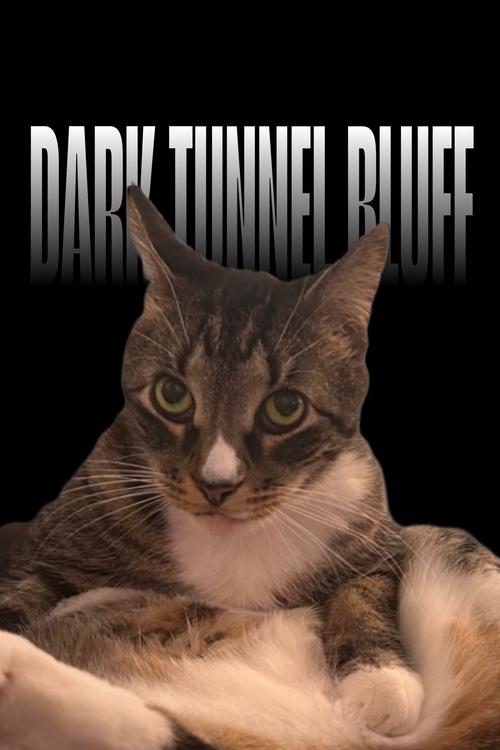
Dark Tunnel Bluff - Review
Dark Tunnel Bluff: A Descent into Feline-Infused Madness
Dark Tunnel Bluff, released on July 21st, 2025, is not your typical horror film. It's a disorienting, hilarious, and deeply unsettling exploration of one man's unraveling psyche, complicated by the presence of a decidedly enigmatic feline companion. Director Anya Sharma, known for her experimental short films, takes a bold leap into feature-length territory, delivering a film that is as thought-provoking as it is genuinely disturbing. Prepare to question your own sanity as you venture into the dark tunnel with Arthur and his possibly demonic cat, Mittens.
Plot: A Tangled Web of Reality and Delusion
The film centers around Arthur Penhaligon (played with masterful vulnerability by newcomer Elias Vance), a reclusive writer struggling with crippling writer's block and mounting anxiety. His only companion is Mittens, a seemingly ordinary tabby cat with eyes that seem to hold ancient secrets. As Arthur's mental state deteriorates, the lines between reality and hallucination blur. He begins to experience increasingly vivid and bizarre visions, often involving Mittens acting in ways that defy logic and reason. Is Mittens a figment of Arthur's imagination, a malevolent entity preying on his weakness, or simply a cat with a penchant for the uncanny? The film deliberately keeps the audience guessing.
The narrative structure is deliberately fragmented, mimicking Arthur's fractured mental state. Scenes jump between Arthur's increasingly isolated apartment, surreal dreamscapes populated by grotesque figures, and flashbacks to a traumatic event in his past that seems to be the root of his current struggles. This non-linear approach can be initially confusing, but it ultimately serves to immerse the viewer in Arthur's disorientation and paranoia. The film cleverly uses unreliable narration, making it difficult to discern what is real and what is a product of Arthur's fevered imagination. The ambiguity is a key strength of the film, forcing the audience to actively engage with the narrative and draw their own conclusions.
The pacing is deliberately slow and deliberate, allowing the tension to build gradually. There are few jump scares; instead, the horror stems from the unsettling atmosphere and the mounting sense of dread. The humor, which is often dark and absurd, serves as a counterpoint to the horror, preventing the film from becoming overly bleak. The plot culminates in a chaotic and ambiguous climax that leaves the audience pondering the nature of reality and the fragility of the human mind. Some may find the ending frustratingly open-ended, but it is consistent with the film's overall themes and message.
Characters: A Study in Isolation and Paranoia
Arthur Penhaligon (Elias Vance): Vance delivers a breakout performance as Arthur, capturing the character's vulnerability, desperation, and descent into madness with remarkable nuance. He portrays Arthur as a deeply flawed but ultimately sympathetic figure, making the audience empathize with his struggles even as his actions become increasingly erratic. Vance's performance is physically demanding, requiring him to convey a wide range of emotions, from quiet despair to manic terror. He manages to balance the comedic and dramatic aspects of the role perfectly, making Arthur a complex and compelling protagonist.
Mittens (Played by various cats, with special effects): While technically not a "character" in the traditional sense, Mittens is arguably the most important presence in the film. The cats (and the special effects used to enhance their performance) are incredibly effective in creating a sense of unease and ambiguity. Mittens' expressions, movements, and even the sounds she makes are often unsettling, leaving the audience wondering what she is really thinking or planning. The film cleverly uses close-ups of Mittens' eyes to create a sense of voyeurism, as if the audience is peering into the soul of a creature beyond human comprehension. Is Mittens a malevolent force, a guardian angel, or simply a cat being a cat? The film never provides a definitive answer.
Dr. Eleanor Vance (Supporting Role, played by Beatrice Bellweather): Dr. Vance, Arthur's therapist, provides a brief glimpse of normalcy in Arthur's increasingly chaotic world. Bellweather's performance is understated but effective, portraying Dr. Vance as a compassionate but ultimately powerless figure. She represents the limitations of traditional therapy in the face of profound mental illness. Her presence serves as a reminder of the real-world consequences of Arthur's delusions.
Direction: Anya Sharma's Bold Vision
Anya Sharma's direction is the driving force behind Dark Tunnel Bluff. She creates a distinct and unsettling atmosphere through her use of unconventional camera angles, jarring editing techniques, and a haunting score. Sharma's background in experimental filmmaking is evident in her willingness to take risks and push the boundaries of the horror genre. She avoids relying on cheap scares, instead focusing on creating a sense of psychological unease. Her use of symbolism and imagery is particularly effective, adding layers of meaning to the narrative. The film is visually striking, with each shot carefully composed to create a sense of unease and disorientation.
Sharma's direction of the actors is also noteworthy. She elicits nuanced and powerful performances from her cast, particularly Elias Vance, who delivers a career-defining performance. She allows the actors to explore the complexities of their characters, resulting in performances that are both believable and emotionally resonant. While the film's experimental nature may not appeal to all viewers, it is undeniable that Sharma has a strong vision and a unique voice. Dark Tunnel Bluff is a testament to her talent and her willingness to take risks.
Cinematography: A Masterclass in Visual Storytelling
The cinematography, by veteran DP Jian Li, is a standout element of Dark Tunnel Bluff. Li uses a variety of techniques to create a visually unsettling and disorienting experience for the viewer. The film is primarily shot in low light, creating a sense of claustrophobia and unease. The use of shadows is particularly effective, obscuring details and creating a sense of mystery. Li also employs unconventional camera angles, such as Dutch angles and extreme close-ups, to disorient the viewer and create a sense of unease. The color palette is muted and desaturated, reflecting Arthur's bleak and hopeless outlook. The use of color is particularly effective in the dream sequences, where vibrant and surreal colors are used to create a sense of otherworldliness.
The camerawork often mimics Arthur's perspective, further immersing the viewer in his subjective experience. The use of handheld camera movements adds to the sense of instability and paranoia. The film also features some stunning visual effects, particularly in the scenes involving Mittens. These effects are seamlessly integrated into the narrative, enhancing the sense of realism while also adding to the film's surreal atmosphere. The cinematography is not just visually appealing; it is an integral part of the storytelling, enhancing the film's themes and messages.
Performances: Elias Vance's Breakthrough
As mentioned previously, Elias Vance's performance as Arthur is the heart and soul of Dark Tunnel Bluff. He delivers a tour-de-force performance, capturing the character's vulnerability, desperation, and descent into madness with remarkable nuance. Beatrice Bellweather provides a grounded and empathetic performance as Dr. Vance. The supporting cast is also strong, adding depth and complexity to the narrative. However, it is the performance of the cats playing Mittens (and the special effects used to enhance their performance) that truly elevates the film. They are incredibly effective in creating a sense of unease and ambiguity. The film's success hinges on the believability of Arthur's relationship with Mittens, and the performances of both Vance and the cats are crucial in achieving this.
Themes and Messages: Exploring the Abyss Within
Dark Tunnel Bluff explores several complex and thought-provoking themes, including:
- Mental Illness: The film offers a raw and unflinching portrayal of mental illness, exploring the devastating effects of anxiety, depression, and paranoia. It highlights the challenges of living with mental illness and the limitations of traditional treatment methods.
- Isolation: Arthur's isolation is a key factor in his descent into madness. The film explores the dangers of social isolation and the importance of human connection.
- The Nature of Reality: The film questions the nature of reality, blurring the lines between perception and hallucination. It suggests that reality is subjective and that our perception of the world is shaped by our own experiences and beliefs.
- The Power of the Unconscious: The film explores the power of the unconscious mind, suggesting that repressed trauma and unresolved conflicts can manifest in unexpected and disturbing ways.
- The Ambiguity of Good and Evil: The film challenges the traditional notions of good and evil, suggesting that the line between the two is often blurred. Mittens' ambiguous nature embodies this theme, leaving the audience to question whether she is a force for good or evil.
The film does not offer easy answers to these complex questions. Instead, it encourages the audience to reflect on their own beliefs and experiences. It is a film that stays with you long after the credits have rolled, prompting you to question the nature of reality and the fragility of the human mind.
Comparisons: Echoes of the Masters
Dark Tunnel Bluff draws inspiration from a variety of sources, including the works of David Lynch, Roman Polanski, and Edgar Allan Poe. The film's surreal atmosphere and dreamlike imagery are reminiscent of Lynch's films, such as Eraserhead and Mulholland Drive. The film's exploration of paranoia and psychological horror is similar to Polanski's films, such as Repulsion and The Tenant. The film's gothic sensibilities and themes of madness and death are reminiscent of Poe's short stories.
However, Dark Tunnel Bluff is not simply a pastiche of these influences. Anya Sharma brings her own unique vision to the film, creating a work that is both familiar and original. The film's blend of horror and comedy is particularly distinctive, setting it apart from other films in the genre. The film's focus on the relationship between Arthur and Mittens is also unique, adding a layer of complexity and ambiguity to the narrative. While Sharma's previous short films hinted at her talent, Dark Tunnel Bluff firmly establishes her as a director to watch.
Positive Aspects: A Triumph of Atmosphere and Performance
Dark Tunnel Bluff excels in several key areas:
- Atmosphere: The film creates a genuinely unsettling and disorienting atmosphere that permeates every scene.
- Performances: Elias Vance delivers a career-defining performance as Arthur, and the cats playing Mittens are surprisingly effective.
- Cinematography: The cinematography is visually stunning and enhances the film's themes and messages.
- Direction: Anya Sharma demonstrates a strong vision and a unique voice, establishing herself as a director to watch.
- Themes: The film explores complex and thought-provoking themes related to mental illness, isolation, and the nature of reality.
Constructive Criticism: A Few Stumbles in the Dark
Despite its many strengths, Dark Tunnel Bluff is not without its flaws:
- Pacing: The film's slow pacing may not appeal to all viewers, and some may find it to be too deliberately paced.
- Ambiguity: The film's ambiguous ending may frustrate some viewers who prefer a more definitive resolution.
- Accessibility: The film's experimental nature may make it inaccessible to mainstream audiences.
- Clarity: At times, the fragmented narrative can be confusing, requiring the viewer to work hard to piece together the story.
These criticisms are minor, however, and do not detract significantly from the film's overall impact. Dark Tunnel Bluff is a bold and ambitious film that is sure to provoke discussion and debate.
Conclusion: A Haunting Masterpiece of the Absurd
Dark Tunnel Bluff is a haunting and unforgettable film that will stay with you long after the credits have rolled. It is a challenging but rewarding experience that explores the depths of the human psyche with unflinching honesty and a healthy dose of dark humor. Anya Sharma has crafted a truly original and unsettling vision, solidifying her place as one of the most exciting new voices in horror. While its experimental nature may not appeal to all viewers, those who are willing to embrace its ambiguity and strangeness will be richly rewarded. Dark Tunnel Bluff is not just a horror film; it is a work of art.