Primal: Tales of Savagery - Review
Primal: Tales of Savagery - A Visceral Masterpiece of Survival
Genndy Tartakovsky, the visionary behind animated classics like Dexter's Laboratory, Samurai Jack, and Clone Wars, returns with something altogether different, yet undeniably his own. Primal: Tales of Savagery isn't just an animated action-adventure; it's a primal scream rendered in breathtaking visuals, a silent opera of loss, and a testament to the enduring power of companionship in the face of utter desolation. Prepare to be captivated, horrified, and deeply moved by this unique and unforgettable experience.
Plot: A Symphony of Silence and Savagery
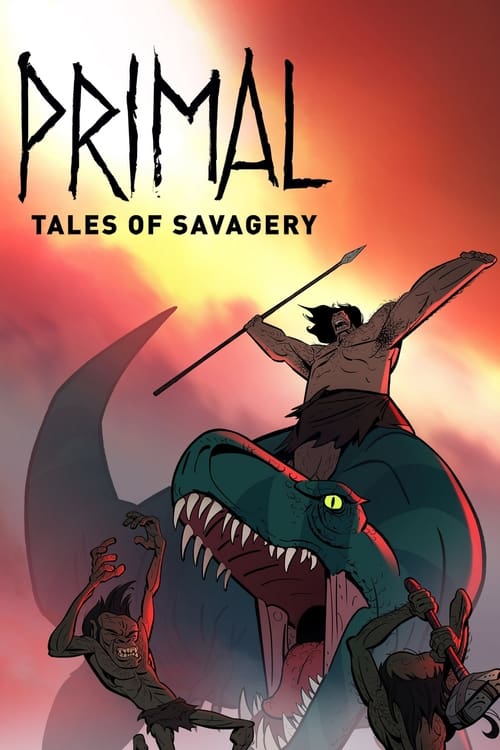
The narrative of Primal is deceptively simple: a Neanderthal, Spear, and a Tyrannosaurus Rex, Fang, are both driven to the brink of extinction by horrific tragedies. Spear witnesses the brutal death of his mate and children, while Fang suffers the same fate. United by their shared grief and a desperate need for survival, they form an unlikely alliance in a prehistoric world teeming with monstrous threats. Their journey is a relentless struggle against nature's harsh indifference, populated by rival predators, disease, and the ever-present specter of starvation.
What sets Primal apart is its almost complete lack of dialogue. The story is told entirely through visual storytelling, relying on the characters' expressive animation, visceral action sequences, and haunting sound design. The plot unfolds organically, driven by the immediate needs of survival. Each episode presents a new challenge, a new enemy, and a new opportunity for Spear and Fang to deepen their bond. The absence of spoken language forces the viewer to engage with the characters on a purely emotional level, interpreting their intentions and feelings through their actions and expressions.
The episodic nature of the series allows Tartakovsky to explore a wide range of prehistoric settings and creatures, from giant bats and monstrous spiders to packs of velociraptors and even supernatural entities. Each episode feels self-contained, yet contributes to the overarching narrative of Spear and Fang's journey. The pacing is deliberate, allowing moments of quiet reflection to punctuate the intense action sequences. This creates a dynamic rhythm that keeps the viewer constantly engaged.
Characters: Beyond Words, Beyond Understanding
Spear and Fang are more than just archetypes; they are fully realized characters with distinct personalities and motivations. Spear, the Neanderthal, is a stoic and fiercely protective warrior. He is driven by a primal instinct to survive and a deep-seated need to protect Fang, who becomes a surrogate for the family he lost. His strength and resourcefulness are constantly tested, but he never gives up hope.
Fang, the Tyrannosaurus Rex, is equally compelling. She is a powerful and ferocious predator, but also vulnerable and deeply scarred by her past. Her initial distrust of Spear gradually gives way to a fierce loyalty and a genuine affection. She is not simply a beast of burden; she is an active participant in their survival, often taking the lead in battles and providing Spear with the strength and support he needs.
The supporting characters, while often short-lived, are equally memorable. From the monstrous creatures they encounter to the occasional glimpse of other humanoids, each character adds depth and texture to the prehistoric world. Even the villains, often depicted as pure embodiments of savagery, are given a sense of purpose and motivation, making them more than just mindless monsters.
Direction: Tartakovsky's Signature Style Elevated
Genndy Tartakovsky's direction is the driving force behind Primal's success. He seamlessly blends his signature animation style with a mature and sophisticated approach to storytelling. The action sequences are breathtaking, utilizing dynamic camera angles, fluid animation, and a brutal sense of realism. The violence is graphic, but never gratuitous; it serves to underscore the harsh realities of survival in a prehistoric world.
Tartakovsky's attention to detail is evident in every frame. The animation is incredibly expressive, capturing the nuances of the characters' emotions and movements. The backgrounds are richly detailed, creating a sense of immersion in the prehistoric world. The use of color and lighting is masterful, creating a distinct mood and atmosphere for each episode.
The absence of dialogue is a bold choice, but Tartakovsky pulls it off with remarkable skill. He relies on visual storytelling to convey the characters' emotions, motivations, and the complexities of their relationship. The result is a powerful and visceral experience that transcends language barriers.
Cinematography: A Visual Feast
While technically animation, the "cinematography" of Primal deserves its own section. The way the series is framed, lit, and composed is nothing short of cinematic. The animators use dynamic camera angles, sweeping shots, and close-ups to create a sense of scale and intimacy. The use of lighting is particularly effective, creating dramatic shadows and highlighting the characters' emotions. The sunsets are breathtaking, the moonlit nights are haunting, and the blood-soaked battlefields are visceral and terrifying.
The visual style of Primal is unique and instantly recognizable. It combines the stylized animation of Tartakovsky's previous works with a more realistic and gritty aesthetic. The character designs are striking, and the creatures are both terrifying and believable. The attention to detail is remarkable, from the way the characters' muscles move to the way the blood splatters in combat.
Performances: The Power of Sound Design
Since there is no dialogue, the "performances" in Primal are primarily conveyed through sound design and animation. The sound design is absolutely crucial to the series' success. The roars of the dinosaurs, the grunts of the Neanderthals, and the chilling sounds of the prehistoric world are all expertly crafted to create a sense of immersion and dread. The musical score, composed by Tyler Bates and Joanne Higginbottom, is equally effective, enhancing the emotional impact of each scene.
The animators also deserve credit for their performances. They are able to convey a wide range of emotions through the characters' facial expressions, body language, and movements. Spear's stoicism and Fang's ferocity are both perfectly captured in their animation.
Themes and Messages: Beyond Survival, A Search for Meaning
Primal is more than just a violent action-adventure; it is a profound exploration of themes such as grief, loss, companionship, and the will to survive. Spear and Fang are both driven by the loss of their families, and their bond is forged in the crucible of shared tragedy. They find solace and purpose in their relationship, learning to rely on each other for survival and emotional support.
The series also explores the theme of the cyclical nature of violence. Spear and Fang are constantly forced to fight for their survival, and they often resort to brutal tactics. However, they also show moments of compassion and empathy, suggesting that even in the most savage of environments, there is still room for humanity (or, in Fang's case, dinosaurity).
Ultimately, Primal is a story about hope. Despite the overwhelming odds against them, Spear and Fang never give up. They continue to fight, to survive, and to find meaning in their lives. Their journey is a testament to the enduring power of the human (and dinosaurian) spirit.
Comparison to Other Works
Primal shares some similarities with other survival dramas, such as The Revenant and Apocalypto. However, it distinguishes itself through its unique animation style, its lack of dialogue, and its focus on the relationship between a human and a dinosaur. Tartakovsky's previous works, such as Samurai Jack, also share some thematic similarities with Primal, particularly in their focus on stoic heroes and their battles against overwhelming odds. However, Primal is a much darker and more mature work than anything Tartakovsky has done before.
Positive Aspects
- Visceral and Engaging Storytelling: The lack of dialogue forces viewers to connect with the characters on a purely emotional level, making the story even more impactful.
- Stunning Animation: Tartakovsky's signature style is elevated to new heights, creating a visually stunning and immersive experience.
- Compelling Characters: Spear and Fang are both fully realized characters with distinct personalities and motivations.
- Haunting Sound Design: The sound design is crucial to the series' success, creating a sense of immersion and dread.
- Profound Themes: The series explores themes such as grief, loss, companionship, and the will to survive in a thought-provoking way.
Constructive Criticism
- Pacing Issues: Some episodes can feel slow-paced, particularly in the second half of the series.
- Repetitive Violence: While the violence is often justified, it can become repetitive at times.
- Lack of Explanation: The series offers little explanation for the supernatural elements, which may frustrate some viewers.
- Abrupt Ending (Season 2): While impactful, the ending of season 2 feels somewhat abrupt and leaves some questions unanswered.
Conclusion
Primal: Tales of Savagery is a masterpiece of animation and storytelling. Genndy Tartakovsky has created a truly unique and unforgettable experience that will stay with you long after the credits roll. Despite some minor pacing issues and occasional repetitive violence, the series is a triumph of visual storytelling, character development, and thematic exploration. It's a visceral, emotional, and ultimately hopeful journey that deserves to be seen by any fan of animation, action, or drama.
Rating: 9.5/10