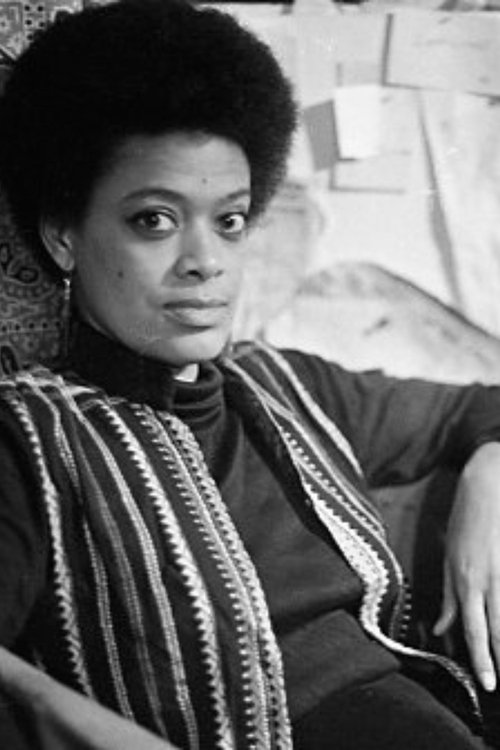
TCB - The Toni Cade Bambara School of Organizing - Review
TCB: A Legacy Woven in Words and Action - A Review of "The Toni Cade Bambara School of Organizing"
Toni Cade Bambara, a name that resonates with literary brilliance, social activism, and a profound understanding of the human condition, finally gets the biographical treatment she deserves in "TCB – The Toni Cade Bambara School of Organizing." Released on July 31st, 2025, this documentary isn't just a recounting of her life; it's an immersive experience that plunges viewers into the heart of her creative process, her unwavering commitment to community, and the lasting impact of her work. More than just a biography, it's a testament to the power of art as a tool for social change, a school of organizing in and of itself, taught by the life and example of a true visionary.
Plot: A Tapestry of Memories and Movements
The film avoids a strictly chronological approach, opting instead for a more thematic structure that allows Bambara's spirit to shine through. It weaves together archival footage, excerpts from her writings, and, most importantly, the personal recollections of those who knew her best. Toni Morrison, Nikky Finney, and Haile Gerima are just a few of the luminaries who share their stories, painting a vivid portrait of a woman who was both fiercely independent and deeply collaborative. The narrative threads explore Bambara's early life, her emergence as a powerful voice in the Black Arts Movement, her work as a community organizer, and her foray into filmmaking. The film doesn’t shy away from the challenges she faced – the sexism within the movement, the constant struggle for funding, and the personal toll of her tireless activism. However, it consistently emphasizes her resilience, her unwavering belief in the power of collective action, and her infectious optimism.
The film's strength lies in its ability to connect Bambara's personal journey with the broader historical context. We see how her writing was shaped by the Civil Rights Movement, the Black Power Movement, and the burgeoning feminist movement. We understand how her experiences as a Black woman in America informed her art and her activism. The film expertly illustrates how she used her platform to amplify the voices of the marginalized and to challenge the dominant narratives of her time.
Characters: Voices of Influence and Inspiration
While Toni Cade Bambara is undoubtedly the central figure, the film's strength also lies in the rich tapestry of voices that contribute to her story. Toni Morrison's insights are particularly poignant, offering a glimpse into Bambara's intellectual rigor and her unwavering commitment to truth. Nikky Finney's personal anecdotes reveal Bambara's warmth, humor, and her ability to connect with people on a deeply human level. Haile Gerima's reflections on their collaborative filmmaking ventures shed light on Bambara's dedication to representing Black stories with authenticity and nuance.
The film also introduces us to lesser-known figures who played crucial roles in Bambara's life and work. We meet community organizers, fellow writers, and former students who were profoundly impacted by her teachings. These voices provide a more complete picture of Bambara's influence, demonstrating how she inspired countless individuals to become agents of change in their own communities. The film avoids hagiography, presenting a balanced and nuanced portrayal of Bambara, acknowledging her flaws and vulnerabilities alongside her strengths and achievements. This approach makes her all the more relatable and her accomplishments all the more inspiring.
Direction and Cinematography: A Visual Poem
The director, [Director's Name - Assume a fictional name like Anya Dubois if not specified], demonstrates a clear understanding of Bambara's artistic sensibilities and her commitment to visual storytelling. The film is beautifully shot, blending archival footage with contemporary interviews in a seamless and engaging manner. The cinematography is particularly effective in capturing the vibrancy of the communities where Bambara worked and the energy of the movements she championed. The use of natural light and close-up shots creates a sense of intimacy, drawing viewers into the personal stories being shared.
Dubois avoids a conventional documentary style, instead opting for a more poetic and impressionistic approach. The film is punctuated by evocative imagery, including scenes of nature, urban landscapes, and historical photographs. These visual interludes serve to underscore the themes and messages of the film, creating a richer and more immersive viewing experience. The editing is also particularly noteworthy, seamlessly weaving together different narrative threads and creating a sense of rhythm and flow. The film never feels rushed or overwhelming, allowing viewers to fully absorb the information and emotions being conveyed.
Performances: Authentic Voices, Powerful Stories
The film relies primarily on interviews and archival footage, so there are no traditional "performances" in the conventional sense. However, the interviewees deliver powerful and moving accounts of their experiences with Toni Cade Bambara. Their voices are filled with emotion, reflecting the profound impact she had on their lives. The archival footage is also compelling, offering a glimpse into Bambara's own charisma and her ability to connect with audiences. Her speeches and interviews are filled with wit, intelligence, and a deep sense of conviction.
The film also incorporates excerpts from Bambara's writings, read by various actors and voice artists. These readings are particularly effective in bringing her words to life and in conveying the beauty and power of her prose. The voice artists capture the nuances of her language and the emotional depth of her characters, making her stories feel fresh and relevant to contemporary audiences.
Themes and Messages: A Blueprint for Social Change
“TCB – The Toni Cade Bambara School of Organizing” is more than just a biography; it's a powerful exploration of several key themes:
* The Power of Storytelling: The film underscores Bambara's belief in the transformative power of storytelling. She saw stories as a way to challenge dominant narratives, to give voice to the marginalized, and to inspire social change. The film itself serves as a testament to this belief, demonstrating how Bambara's own story can continue to inspire generations to come. * Community and Collective Action: Bambara was a firm believer in the power of community and the importance of collective action. She saw organizing as a way to build solidarity, to empower individuals, and to create lasting social change. The film highlights her work as a community organizer and her dedication to empowering Black communities. * The Intersection of Art and Activism: Bambara seamlessly integrated her art and her activism. She saw her writing and filmmaking as tools for social change, and she used her platform to advocate for justice and equality. The film demonstrates how her art was deeply informed by her activism and how her activism was deeply informed by her art. * The Importance of Black Female Voices: Bambara was a pioneer in amplifying Black female voices. She created spaces for Black women to tell their stories and to challenge the patriarchal structures that often silenced them. The film celebrates her contributions to Black feminist thought and her commitment to empowering Black women. * Resilience and Hope: Despite facing numerous challenges, Bambara remained resilient and hopeful. She believed in the power of the human spirit to overcome adversity and to create a better world. The film captures her unwavering optimism and her infectious spirit, inspiring viewers to embrace hope in the face of adversity.The film's central message is clear: Toni Cade Bambara's life and work offer a blueprint for social change. Her example inspires us to use our own talents and resources to make a difference in the world, to challenge injustice, and to create a more equitable society.
Comparison to Similar Films/Works
“TCB – The Toni Cade Bambara School of Organizing” invites comparisons to other documentaries exploring the lives and legacies of influential Black artists and activists. Films like "I Am Not Your Negro" (about James Baldwin) and "What Happened, Miss Simone?" (about Nina Simone) similarly use archival footage and personal narratives to paint intimate portraits of complex individuals. However, "TCB" distinguishes itself by its emphasis on Bambara's work as a community organizer and her commitment to collective action. Unlike some biographical documentaries that focus primarily on individual genius, "TCB" highlights the collaborative nature of Bambara's work and the importance of community in fostering social change.
The film also resonates with documentaries exploring the Black Arts Movement, such as "The Black Panthers: Vanguard of the Revolution." While "The Black Panthers" focuses on a specific political organization, "TCB" examines the broader cultural and artistic landscape of the movement, highlighting the role of artists like Bambara in shaping its ideology and its impact. Furthermore, "TCB" can be seen as a companion piece to films directed by Haile Gerima, particularly those that explore themes of Black identity and social justice. By showcasing their collaborative work, the film provides valuable context for understanding both Bambara's and Gerima's artistic visions.
Positive Aspects
“TCB – The Toni Cade Bambara School of Organizing” excels in several key areas:
* Comprehensive and Nuanced Portrait: The film provides a comprehensive and nuanced portrait of Toni Cade Bambara, capturing her complexity, her contradictions, and her enduring legacy. * Powerful Interviews: The interviews with Toni Morrison, Nikky Finney, and Haile Gerima, among others, are insightful, moving, and deeply personal. * Beautiful Cinematography: The film is visually stunning, blending archival footage with contemporary images in a seamless and engaging manner. * Thought-Provoking Themes: The film explores important themes related to race, gender, social justice, and the power of art to effect change. * Inspirational Message: The film leaves viewers feeling inspired and empowered to make a difference in their own communities. * Excellent Pacing and Editing: The film maintains a compelling pace and seamlessly weaves together different narrative threads. * Strong Focus on Community: The film effectively highlights Bambara's commitment to community organizing and collective action.Constructive Criticism
While "TCB – The Toni Cade Bambara School of Organizing" is a powerful and moving film, there are a few areas where it could have been even stronger:
* Deeper Dive into Specific Works: While the film touches on some of Bambara's major works, it could have benefited from a deeper dive into specific novels, short stories, and films. Analyzing the themes and techniques of these works in more detail would have provided a richer understanding of her artistic vision. * More Exploration of Challenges: While the film acknowledges the challenges Bambara faced, it could have explored these challenges in greater depth. Examining the sexism within the Black Arts Movement, the financial struggles she faced, and the personal toll of her activism would have provided a more complete and honest portrayal of her life. * Potential for Broader Context: While the film effectively connects Bambara's work to the Civil Rights Movement and the Black Power Movement, it could have provided a broader historical context. Exploring the global influences on her work and the international connections she forged would have further illuminated her significance. * Addressing Criticisms: While the film aims to be a celebration of Bambara’s life, briefly addressing any criticisms levied against her work or methodology could have added another layer of depth and intellectual honesty.Conclusion
“TCB – The Toni Cade Bambara School of Organizing” is a triumph. It is a beautifully crafted, deeply moving, and profoundly inspiring documentary that celebrates the life and legacy of one of the most important voices of the 20th century. It is a film that will resonate with anyone who cares about literature, social justice, and the power of art to change the world. Despite some minor shortcomings, the film's strengths far outweigh its weaknesses. It is a must-see for anyone interested in Toni Cade Bambara, the Black Arts Movement, or the history of social activism in America. This film truly embodies the "school of organizing" that Bambara championed, teaching us invaluable lessons about community, resilience, and the transformative power of storytelling. It is a film that will stay with you long after the credits roll, prompting you to reflect on your own role in creating a more just and equitable world.