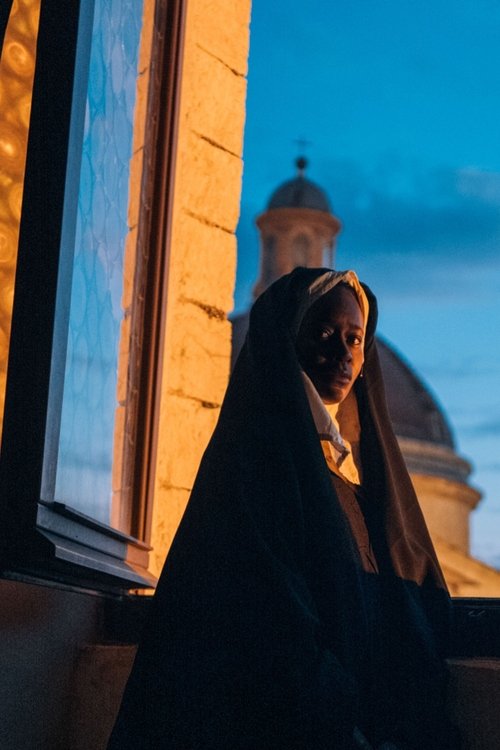
Run, Sister Joan - Review
Run, Sister Joan: A Hauntingly Beautiful Exploration of Loss and Resilience
The cinematic landscape is littered with tales of haunted towns and missing persons, but rarely does a film manage to weave these familiar threads into something as uniquely captivating and emotionally resonant as Run, Sister Joan. Released on August 3rd, 2025, this genre-bending thriller from director Anya Sharma plunges viewers into the desolate heart of Havenwood, a town steeped in secrets and shrouded in an unsettling atmosphere, as we follow Joan, a migrant woman haunted by her own past and desperately searching for her lost companion, Mateo.
Plot: A Labyrinth of Loss and Revelation
Run, Sister Joan unfolds with a deliberate pace, allowing the suffocating atmosphere of Havenwood to slowly envelop the audience. The film opens with Joan (portrayed with captivating intensity by newcomer Sofia Flores) arriving in the dilapidated town, a place seemingly forgotten by time and progress. She's searching for Mateo, her close friend and fellow traveler, who vanished without a trace a week prior. The local authorities, represented by the weary and cynical Sheriff Brody (played with world-weary gravitas by veteran actor Mark Jenkins), are dismissive of Joan's concerns, chalking Mateo's disappearance up to him simply moving on. But Joan refuses to accept this explanation, driven by a deep, almost primal connection to Mateo and a growing unease about the town itself.
As Joan delves deeper into her search, she uncovers a disturbing history of Havenwood, a past marred by tragedy, superstition, and unexplained disappearances. The townsfolk, a collection of eccentric and often hostile individuals, offer cryptic clues and veiled threats, hinting at a dark secret that the town is desperately trying to keep buried. Joan soon discovers that she possesses unusual abilities, a heightened sense of perception and a connection to the spiritual realm, which allow her to glimpse fragments of Mateo's last moments and the sinister forces at play in Havenwood. These abilities, however, also make her a target, drawing the attention of both the town's malevolent spirits and the living inhabitants who seek to exploit or suppress her power.
The plot takes several unexpected turns, blurring the lines between reality and illusion, sanity and madness. Joan's investigation leads her through abandoned mines, eerie forests, and dilapidated houses, each location dripping with atmosphere and history. The film skillfully utilizes flashbacks to reveal snippets of Joan and Mateo's past, highlighting their bond and the circumstances that led them to Havenwood. These flashbacks are not merely expository devices; they serve to deepen our understanding of Joan's character and her unwavering determination to find Mateo.
The climax of the film is a harrowing confrontation with the source of Havenwood's darkness, a malevolent entity that has been feeding on the town's despair for generations. Joan, armed with her newfound abilities and fueled by her love for Mateo, must confront this entity and break its hold on Havenwood, even if it means sacrificing herself in the process. The ending is both cathartic and ambiguous, leaving the audience to ponder the true nature of good and evil, and the enduring power of hope in the face of overwhelming darkness.
Characters: Haunted Souls and Hidden Depths
Run, Sister Joan boasts a cast of compelling and multifaceted characters, each contributing to the film's rich tapestry of emotions and motivations.
- Joan (Sofia Flores): Flores delivers a breakout performance as Joan, portraying her as a woman of quiet strength and unwavering determination. Joan is not a typical action hero; she is vulnerable, haunted by her past, and often overwhelmed by the challenges she faces. Yet, she possesses an inner resilience and a deep sense of compassion that allows her to persevere. Flores skillfully conveys Joan's emotional journey, from her initial hope to her growing despair and ultimate resolve.
- Sheriff Brody (Mark Jenkins): Jenkins brings a nuanced portrayal to Sheriff Brody, a character who initially appears to be apathetic and dismissive but gradually reveals layers of complexity. Brody is a man burdened by his own past, haunted by the failures of his career and the secrets he has kept to protect his town. As Joan's investigation progresses, Brody is forced to confront his own demons and decide whether to continue protecting Havenwood's dark secrets or to help Joan uncover the truth.
- Elias (played by veteran character actor Samuel Lee): Elias is the town's enigmatic historian, a recluse who holds the key to Havenwood's past. He is initially reluctant to help Joan, fearing the consequences of revealing the town's secrets. However, as he witnesses Joan's unwavering determination, he is moved to share his knowledge, becoming an unlikely ally in her quest. Lee delivers a captivating performance, imbuing Elias with a sense of both wisdom and regret.
- Mateo (briefly portrayed by Javier Rodriguez): While Mateo is largely absent from the film, his presence is felt throughout. Through flashbacks and Joan's memories, we see him as a kind and compassionate soul, a source of strength and support for Joan. Rodriguez's brief appearances are impactful, establishing the depth of the bond between Joan and Mateo and highlighting the stakes of Joan's search.
The supporting characters, including the eccentric townsfolk of Havenwood, are equally well-developed, each contributing to the film's unsettling atmosphere and sense of unease. They are not simply caricatures; they are complex individuals with their own motivations and secrets, adding layers of depth and intrigue to the narrative.
Direction: A Masterclass in Atmospheric Storytelling
Anya Sharma's direction in Run, Sister Joan is nothing short of masterful. She creates a palpable sense of dread and unease, immersing the audience in the haunting atmosphere of Havenwood. Sharma skillfully utilizes visual storytelling, relying on subtle cues and atmospheric details to convey the town's dark history and the supernatural forces at play. She avoids jump scares and cheap thrills, instead opting for a slow-burn approach that builds tension gradually, creating a truly unsettling and immersive experience.
Sharma's direction of the actors is equally impressive. She elicits nuanced and emotionally resonant performances from her cast, allowing them to fully embody their characters and bring their stories to life. She creates a collaborative environment, encouraging improvisation and allowing the actors to explore the depths of their characters' emotions. This results in performances that feel authentic and deeply moving.
Sharma's attention to detail is evident in every aspect of the film, from the meticulously crafted set design to the haunting sound design. She creates a world that feels both real and surreal, blurring the lines between reality and illusion. Her use of symbolism and visual metaphors adds layers of depth and meaning to the narrative, inviting the audience to interpret the film on multiple levels.
Cinematography: Painting with Light and Shadow
The cinematography in Run, Sister Joan is breathtaking, creating a visually stunning and emotionally evocative experience. Cinematographer Isabella Rossi uses light and shadow to create a sense of mystery and unease, highlighting the beauty and desolation of Havenwood. The film is shot in a muted color palette, reflecting the town's bleak atmosphere and the characters' emotional states. Rossi's use of long shots and slow camera movements allows the audience to fully appreciate the beauty of the landscape, while also creating a sense of isolation and vulnerability.
Rossi's use of close-ups is particularly effective, capturing the actors' subtle expressions and conveying their inner turmoil. She skillfully uses focus and depth of field to draw the audience's attention to specific details, highlighting the film's symbolism and visual metaphors. The cinematography is not merely aesthetically pleasing; it is an integral part of the storytelling, enhancing the film's themes and emotional impact.
The use of practical effects and minimal CGI adds to the film's authenticity and immersiveness. The supernatural elements are portrayed in a subtle and understated way, relying on atmosphere and suggestion rather than spectacle. This approach makes the film feel more grounded and believable, enhancing the sense of dread and unease.
Performances: A Stellar Ensemble Cast
As mentioned earlier, Sofia Flores delivers a breakout performance as Joan, carrying the film with grace and intensity. Her portrayal of a woman haunted by her past and driven by her love for Mateo is both captivating and heartbreaking. Mark Jenkins provides a nuanced and compelling performance as Sheriff Brody, adding layers of depth and complexity to a character who could have easily been a one-dimensional stereotype. Samuel Lee shines as Elias, the town's enigmatic historian, imbuing him with a sense of both wisdom and regret.
The supporting cast is equally strong, each actor bringing their unique talents to the film. The ensemble cast works together seamlessly, creating a believable and engaging community of characters. The chemistry between Flores and Jenkins is particularly strong, adding a layer of tension and intrigue to their interactions.
Themes and Messages: Exploring Loss, Resilience, and the Power of Hope
Run, Sister Joan explores a range of complex and timely themes, including loss, resilience, the immigrant experience, and the enduring power of hope. The film delves into the emotional toll of loss, examining how grief can shape our lives and drive our actions. Joan's unwavering determination to find Mateo is a testament to the power of love and the lengths we will go to for those we care about.
The film also explores the theme of resilience, highlighting Joan's ability to overcome adversity and persevere in the face of seemingly insurmountable challenges. As a migrant woman in a hostile and unwelcoming town, Joan faces prejudice and discrimination, but she refuses to be silenced or defeated. Her strength and determination serve as an inspiration, reminding us that even in the darkest of times, we can find the strength to keep going.
Run, Sister Joan also touches on the immigrant experience, exploring the challenges and hardships faced by those who leave their homes in search of a better life. Joan's journey is a reflection of the struggles faced by many immigrants, who often encounter prejudice, discrimination, and isolation in their new surroundings. The film highlights the importance of empathy and understanding, reminding us that we must treat all people with dignity and respect.
Ultimately, Run, Sister Joan is a film about hope. Despite the darkness and despair that permeate Havenwood, Joan never loses hope that she will find Mateo and uncover the truth. Her unwavering belief in the power of love and compassion serves as a beacon of light in the darkness, reminding us that even in the most challenging of circumstances, hope can endure.
Comparisons: Echoes of the Past, a Vision of the Future
Run, Sister Joan draws inspiration from a variety of sources, including classic horror films such as The Shining and The Wicker Man, as well as contemporary thrillers like Wind River and The Witch. Like these films, Run, Sister Joan creates a sense of dread and unease through atmosphere and suspense, rather than relying on jump scares or gratuitous violence.
The film also shares thematic similarities with Anya Sharma's previous work, particularly her exploration of themes of loss, resilience, and the immigrant experience. However, Run, Sister Joan represents a significant step forward in Sharma's directorial style, showcasing her growing confidence and mastery of visual storytelling.
Sofia Flores's performance has been compared to those of Anya Taylor-Joy in The Witch and Florence Pugh in Midsommar, both of whom delivered breakout performances in genre-bending horror films. Like these actresses, Flores brings a unique blend of vulnerability and strength to her role, captivating the audience with her raw emotion and unwavering determination.
Strengths and Weaknesses: A Balanced Perspective
Run, Sister Joan is a film with many strengths. The direction is masterful, the cinematography is stunning, the performances are compelling, and the themes are thought-provoking. The film creates a palpable sense of dread and unease, immersing the audience in the haunting atmosphere of Havenwood. The slow-burn approach to storytelling allows the tension to build gradually, creating a truly unsettling and immersive experience.
However, the film also has some weaknesses. The pacing can be slow at times, which may not appeal to all viewers. Some may find the ambiguous ending frustrating, as it leaves many questions unanswered. Additionally, the film's exploration of the supernatural elements may be too subtle for some viewers, who may prefer a more explicit portrayal of the paranormal.
Despite these weaknesses, Run, Sister Joan is a remarkable achievement, a film that will stay with you long after the credits have rolled. It is a testament to the power of independent filmmaking and the importance of telling stories that are both entertaining and thought-provoking.
Conclusion: A Hauntingly Beautiful Masterpiece
Run, Sister Joan is a hauntingly beautiful and emotionally resonant film that explores themes of loss, resilience, and the power of hope. Anya Sharma's masterful direction, Isabella Rossi's stunning cinematography, and Sofia Flores's captivating performance combine to create a truly unforgettable cinematic experience. While the slow pacing and ambiguous ending may not appeal to all viewers, the film's strengths far outweigh its weaknesses. Run, Sister Joan is a must-see for fans of horror, thriller, and independent cinema.
Rating: 9/10