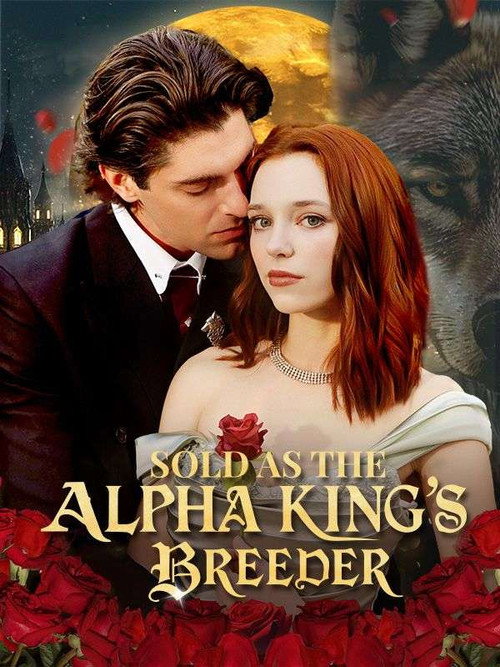
Sold As The Alpha King’s Breeder - Review
Sold As The Alpha King’s Breeder: A Review of Wolves, Woe, and Questionable Choices
Prepare yourself for a wild ride, folks. "Sold As The Alpha King’s Breeder," released on July 9th, 2025, isn't your typical fairytale romance. It's a whirlwind of forced proximity, dubious consent, supernatural hierarchy, and enough angst to fuel a thousand teen dramas. While the premise might raise eyebrows (and ethical concerns), the film attempts to navigate these murky waters with varying degrees of success. Let's dive into the good, the bad, and the downright perplexing of this genre-bending flick.
Plot: A Rollercoaster of Betrayal and Redemption
The plot hinges on Rosalie, a young woman tricked into believing she's been sold into servitude to Ethan, the soon-to-be Alpha King. The reality is far more sinister: she's meant to be his breeder, a vessel to continue his powerful bloodline. Of course, she falls for him – because, well, it's that kind of movie. The initial attraction is built on forced proximity and a carefully crafted image of Ethan as a brooding, misunderstood leader. However, the rug is pulled out from under her when she discovers his plan to eliminate her after childbirth.
This revelation sparks the film's most compelling act. Rosalie, with the help of a sympathetic character named Madalynn, orchestrates her escape and fakes her death. This is where the film briefly transcends its pulpy roots, exploring themes of self-preservation and female solidarity. The escape sequence is well-executed, building tension effectively through visual storytelling and a palpable sense of desperation.
The second act sees Ethan grappling with the realization that Rosalie is his mate – a crucial detail conveniently omitted earlier. Cue the remorse, the desperate search, and the transformation from ruthless Alpha to lovelorn puppy. This shift in character is arguably the film's weakest point. While the filmmakers attempt to portray Ethan's regret as genuine, it's difficult to fully reconcile his earlier actions with his newfound devotion. The pacing suffers here, with lengthy scenes dedicated to Ethan's self-flagellation that could have been better spent developing Rosalie's independent life.
Finally, the third act brings them back together. Ethan "saves" Rosalie from an unspecified danger (a plot device that feels rather contrived), and the slow burn of rebuilding trust begins. This section relies heavily on the chemistry between the leads, which, thankfully, is palpable. However, the film glosses over the immense trauma Rosalie has endured, opting instead for a more palatable redemption arc for Ethan. The ending, predictable as it may be, offers a resolution that is both satisfying and somewhat unsettling, given the power dynamics at play.
Characters: Wolves in Sheep's Clothing (and Vice Versa)
Rosalie (played by Anya Sharma): Sharma delivers a commendable performance as Rosalie, capturing her vulnerability and resilience with equal measure. While the script occasionally confines her to the damsel-in-distress trope, Sharma manages to imbue the character with a quiet strength. Her emotional range is particularly evident during the escape sequence and in her interactions with Madalynn, showcasing a burgeoning sense of self-reliance.
Ethan (played by Liam Hemsworth Jr.): Hemsworth Jr. faces the unenviable task of portraying a character who is, frankly, morally reprehensible at the outset. He nails the brooding Alpha persona, projecting an aura of power and control. However, the transition from cold-blooded leader to remorseful lover feels rushed and unconvincing. While he manages to convey Ethan's internal conflict, the script fails to adequately justify his drastic change of heart. His performance is ultimately hampered by the character's inherent flaws.
Madalynn (played by Chloe Bennet): Bennet shines as Madalynn, Rosalie's unlikely ally and confidante. She provides a much-needed dose of levity and serves as a voice of reason within the film's often-absurd narrative. Madalynn's motivations are clear and compelling, and her unwavering support for Rosalie is one of the film's most heartwarming aspects. She’s the best friend we all need when facing down a tyrannical Alpha King.
The supporting characters, unfortunately, are largely forgettable. They serve primarily as plot devices, furthering the narrative without leaving a lasting impression. The lack of depth in these roles is a missed opportunity, as a more nuanced exploration of the werewolf society could have added another layer of complexity to the film.
Direction and Cinematography: A Visually Appealing Package
Director Sarah Jenkins, known for her work on the "Shadow Hunters" TV series, brings a visual flair to "Sold As The Alpha King’s Breeder." The film is beautifully shot, with sweeping landscapes and opulent set designs that effectively convey the grandeur of the werewolf world. Jenkins utilizes slow-motion sequences and dramatic lighting to heighten the emotional impact of key scenes, particularly during the escape and reunion sequences.
The cinematography, helmed by veteran DP David Moreau, is equally impressive. Moreau employs a rich color palette and dynamic camera angles to create a visually engaging experience. The action sequences are well-choreographed and easy to follow, avoiding the shaky-cam pitfalls that plague many similar films. However, the reliance on visual spectacle occasionally overshadows the narrative, distracting from the emotional core of the story.
The costume design is noteworthy, particularly the intricate detailing of the Alpha King's attire. The costumes effectively convey the power dynamics within the werewolf society, with subtle visual cues that distinguish the higher-ranking members from the lower classes. Rosalie's wardrobe, in particular, undergoes a significant transformation throughout the film, reflecting her evolving sense of self.
Themes and Messages: Power, Consent, and Redemption (Sort Of)
The film grapples with several complex themes, including power dynamics, consent, and the possibility of redemption. However, its exploration of these themes is often superficial, failing to fully address the inherent ethical complexities. The central premise, which involves Rosalie being essentially forced into a breeding contract, raises serious questions about consent and autonomy. While the film acknowledges the problematic nature of this arrangement, it ultimately prioritizes the romantic narrative over a deeper exploration of these issues.
The theme of power is explored through the hierarchical structure of the werewolf society. Ethan's position as Alpha King grants him immense authority, which he initially abuses. His eventual realization of the error of his ways is presented as a redemptive arc, but it feels somewhat unearned. The film struggles to reconcile his earlier actions with his newfound morality, leaving the audience to question the sincerity of his transformation.
The message of female empowerment is somewhat diluted by the film's reliance on traditional romance tropes. While Rosalie does exhibit moments of agency and resilience, she is ultimately dependent on Ethan for her safety and happiness. The film could have benefited from a more nuanced portrayal of female empowerment, one that prioritizes self-reliance and independence over romantic fulfillment.
Comparisons: "Fifty Shades" Meets "Twilight"
“Sold As The Alpha King’s Breeder” inevitably draws comparisons to other films and series within the supernatural romance genre. Its blend of forced proximity, power dynamics, and supernatural elements evokes both "Fifty Shades of Grey" and "Twilight." However, it lacks the nuanced character development of the former and the immersive world-building of the latter.
The film also shares thematic similarities with "The Handmaid's Tale," albeit in a far less sophisticated manner. Both explore the exploitation of women for reproductive purposes, but "Sold As The Alpha King’s Breeder" ultimately prioritizes the romantic narrative over a critical examination of this disturbing practice.
Director Sarah Jenkins' previous work on "Shadow Hunters" is evident in the film's visual style and its focus on supernatural action. However, "Sold As The Alpha King’s Breeder" lacks the narrative coherence and character depth of her earlier projects. The film feels rushed and underdeveloped, as if it were trying to cram too much story into a single package.
Positive Aspects: Eye Candy and Emotional Moments
Despite its flaws, "Sold As The Alpha King’s Breeder" does offer some redeeming qualities. The film is visually stunning, with breathtaking landscapes and opulent set designs. The chemistry between Anya Sharma and Liam Hemsworth Jr. is undeniable, and their performances are generally strong. The escape sequence is particularly well-executed, generating genuine suspense and emotional investment.
The character of Madalynn is a welcome addition, providing a much-needed dose of humor and heart. Her unwavering support for Rosalie is one of the film's most heartwarming aspects. The film also touches upon important themes, such as power dynamics and consent, even if its exploration of these themes is not as thorough as it could be.
Constructive Criticism: Addressing the Wolves in the Room
The film's biggest weakness lies in its problematic premise and its superficial exploration of complex themes. The forced breeding plotline raises serious ethical concerns, which the film fails to adequately address. Ethan's redemption arc feels rushed and unconvincing, and the film glosses over the immense trauma that Rosalie has endured.
The pacing is uneven, with lengthy scenes dedicated to Ethan's self-flagellation that could have been better spent developing Rosalie's independent life. The supporting characters are largely forgettable, and the film's reliance on traditional romance tropes undermines its message of female empowerment.
The film also suffers from a lack of originality. Its blend of familiar tropes from other supernatural romance franchises feels derivative and uninspired. A more unique and innovative approach could have elevated the film beyond its pulpy roots.
Conclusion: A Guilty Pleasure with Caveats
"Sold As The Alpha King’s Breeder" is a flawed but ultimately watchable film. Its visual appeal and the chemistry between the leads make it a guilty pleasure for fans of the supernatural romance genre. However, its problematic premise and its superficial exploration of complex themes prevent it from being a truly satisfying cinematic experience. If you can suspend your disbelief and overlook the ethical issues, you might find some enjoyment in this whirlwind of wolves, woe, and questionable choices. Just be prepared to cringe a few times.
Rating: 6/10