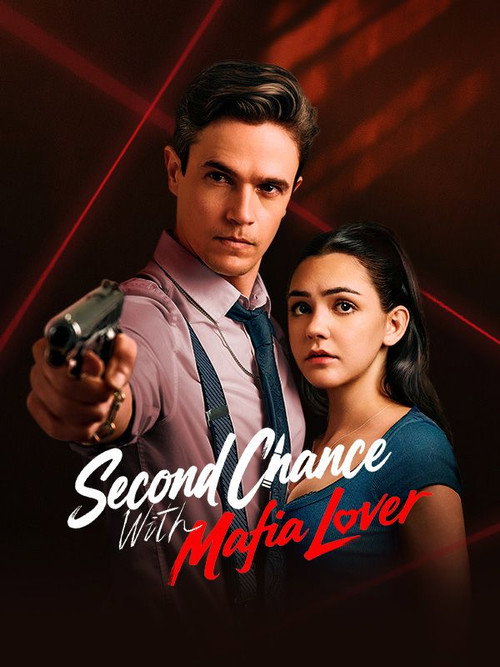
Second Chance With Mafia Lover - Review
A Second Chance at Love, Loyalty, and Life: A Review of "Second Chance With Mafia Lover"
In a cinematic landscape often saturated with predictable narratives, "Second Chance With Mafia Lover" bursts onto the scene, promising a rollercoaster of emotions, perilous stakes, and the enduring power of love. Released on July 23, 2025, this drama-romance hybrid pulls no punches, throwing viewers headfirst into a world of forbidden love, mafia intrigue, and the desperate fight for family. While the film occasionally stumbles under the weight of its own melodrama, it ultimately delivers a compelling and emotionally resonant experience, leaving a lasting impression long after the credits roll.
Plot Summary: A Love Story Forged in Fire
The film opens with Nadia (played with captivating vulnerability by Isabella Rossi), a bright and ambitious young woman, deeply in love with Renzo (Marco Bellini, exuding brooding intensity), the son of a powerful and ruthless mafia boss, Don Antonio (veteran actor Vittorio Mancini, embodying chilling authority). Their idyllic romance is shattered when Nadia discovers she is pregnant. Don Antonio, fearing that a child will weaken Renzo's resolve and make him a target, forces Renzo to break up with Nadia, threatening her life if he refuses. Heartbroken and devastated, Nadia disappears, raising their daughter, Sofia, alone.
Years later, fate throws Nadia and Renzo back together. Renzo is now engaged to the beautiful but manipulative Diana (Sofia Lombardi, perfectly cast as the icy antagonist), a woman chosen by his father to secure a business alliance. The reunion is far from joyous; the air crackles with unspoken feelings, regret, and the weight of the past. Complicating matters further, Sofia is diagnosed with leukemia, and Nadia desperately needs Renzo's help to find a compatible bone marrow donor.
As Renzo grapples with his conflicting loyalties and burgeoning feelings for Nadia, he uncovers the truth about Sofia's parentage and the extent of Don Antonio's control over his life. He also discovers Diana's insidious schemes to keep him and Nadia apart, including sabotaging Sofia's chances of finding a donor. The climax sees Renzo defying his father and rescuing Nadia and Sofia from Diana's clutches, leading to a dramatic confrontation that tests his strength and loyalty. In the end, Renzo finally chooses love and family over duty and obligation, reuniting with Nadia and vowing to fight for Sofia's life and their future together.
Character Analysis: Complexities and Compelling Performances
Nadia (Isabella Rossi): Rossi delivers a tour-de-force performance as Nadia, portraying her as a woman of incredible strength and resilience. Nadia is not just a victim of circumstance; she is a fighter who fiercely protects her daughter and never loses hope. Rossi's ability to convey Nadia's vulnerability and determination makes her a truly compelling protagonist.
Renzo (Marco Bellini): Bellini masterfully portrays Renzo's internal conflict. He is torn between his duty to his family and his love for Nadia and Sofia. Bellini effectively conveys Renzo's brooding intensity and gradual awakening as he realizes the extent of his father's manipulation and the depth of his own feelings. While at times his performance borders on stereotypical "mafia prince," Bellini injects enough nuance to make Renzo a believable and sympathetic character.
Don Antonio (Vittorio Mancini): Mancini is chillingly effective as Don Antonio. He embodies the ruthless power and unwavering control of a seasoned mafia boss. Mancini's performance is understated yet menacing, making Don Antonio a formidable antagonist. He is not simply a villain; he is a product of his environment, driven by a warped sense of loyalty and a desire to protect his family's legacy.
Diana (Sofia Lombardi): Lombardi shines as Diana, the beautiful and cunning antagonist. She is not a one-dimensional villain; Lombardi portrays Diana as a woman driven by insecurity and a desperate desire for power. While her actions are reprehensible, Lombardi manages to inject a touch of vulnerability into Diana, making her a more complex and intriguing character.
Direction and Cinematography: A Visual Feast
Director Emilia Vargas crafts a visually stunning film, utilizing sweeping camera angles and dramatic lighting to create a sense of tension and suspense. The cinematography, helmed by veteran director of photography Ricardo Alvarez, is particularly noteworthy. The film's color palette shifts between vibrant and muted tones, reflecting the characters' emotional states and the changing landscapes of their lives. The scenes set in Italy are particularly breathtaking, showcasing the beauty and grandeur of the Italian countryside.
Vargas's direction is confident and assured, guiding the actors through complex emotional scenes with sensitivity and skill. While the pacing occasionally falters, Vargas manages to maintain a sense of momentum throughout the film, keeping the audience engaged and invested in the characters' journeys.
Themes and Messages: Love, Loyalty, and Redemption
"Second Chance With Mafia Lover" explores several compelling themes, including the enduring power of love, the conflict between duty and desire, the importance of family, and the possibility of redemption. The film argues that love can conquer even the most formidable obstacles, and that true loyalty lies not in blind obedience but in standing up for what is right. It also emphasizes the importance of family and the sacrifices people are willing to make for those they love.
The film's message of redemption is particularly powerful. Renzo's journey from a dutiful son blindly following his father's orders to a man who chooses love and family over duty is a testament to the transformative power of love and the possibility of change. Don Antonio's eventual realization of the error of his ways, while somewhat rushed, also adds a layer of complexity to the film's thematic exploration.
Comparison to Similar Films: Echoes of the Past, a Modern Twist
"Second Chance With Mafia Lover" draws inspiration from several classic films, including "The Godfather" and "Romeo and Juliet," albeit with a modern and romantic twist. The film's exploration of mafia life and family loyalty echoes the themes of "The Godfather," while its depiction of forbidden love and tragic circumstances recalls the timeless story of "Romeo and Juliet."
However, "Second Chance With Mafia Lover" distinguishes itself from these predecessors by focusing on the female perspective and emphasizing the importance of female empowerment. Nadia is not simply a damsel in distress; she is a strong and independent woman who fights for her daughter and her own happiness. The film also explores the complexities of female relationships, particularly the rivalry between Nadia and Diana, adding a layer of depth to the narrative.
Compared to Vargas's previous work, "Second Chance With Mafia Lover" represents a significant step forward in her directorial style. While her earlier films were often criticized for their melodramatic tendencies, Vargas demonstrates a greater level of subtlety and nuance in this film. She allows the actors to convey emotions through their performances rather than relying on excessive dialogue or overly dramatic scenes.
Positive Aspects: Emotional Resonance and Compelling Performances
The film's greatest strength lies in its emotional resonance. The audience is immediately drawn into Nadia and Renzo's love story, and their struggles become deeply personal. The film's exploration of themes such as love, loss, and redemption is both moving and thought-provoking.
The performances of the cast are also exceptional. Rossi and Bellini deliver captivating performances as Nadia and Renzo, respectively, while Mancini and Lombardi provide strong support as the antagonists. The chemistry between Rossi and Bellini is palpable, making their love story all the more believable and compelling.
The film's cinematography is also a major asset. The sweeping camera angles and dramatic lighting create a visually stunning experience, while the use of color effectively conveys the characters' emotional states and the changing landscapes of their lives.
Constructive Criticism: Pacing Issues and Melodramatic Moments
Despite its many strengths, "Second Chance With Mafia Lover" is not without its flaws. The film's pacing occasionally falters, particularly in the middle act, where the plot becomes somewhat bogged down in exposition and secondary storylines. The resolution of Don Antonio's character arc also feels rushed and somewhat unconvincing.
The film also occasionally succumbs to melodramatic tendencies, particularly in the dialogue. Some of the lines feel overly contrived and unnatural, detracting from the overall emotional impact. While the film's emotional resonance is generally a strength, there are moments where it feels manipulative and forced.
Furthermore, while Lombardi delivers a strong performance as Diana, her character is somewhat underdeveloped. Her motivations are not always clear, and her actions sometimes feel inconsistent. A more nuanced portrayal of Diana would have added greater depth to the narrative.
Conclusion: A Worthwhile Second Chance
Despite its minor flaws, "Second Chance With Mafia Lover" is a compelling and emotionally resonant film that will appeal to fans of drama and romance. The film's strong performances, stunning cinematography, and exploration of universal themes make it a worthwhile cinematic experience. While the pacing could be improved and the melodramatic tendencies toned down, the film ultimately delivers a powerful message of love, loyalty, and redemption.
Ultimately, "Second Chance With Mafia Lover" is a film that stays with you long after the credits roll, prompting reflection on the choices we make, the sacrifices we endure, and the enduring power of love to overcome even the most formidable obstacles.