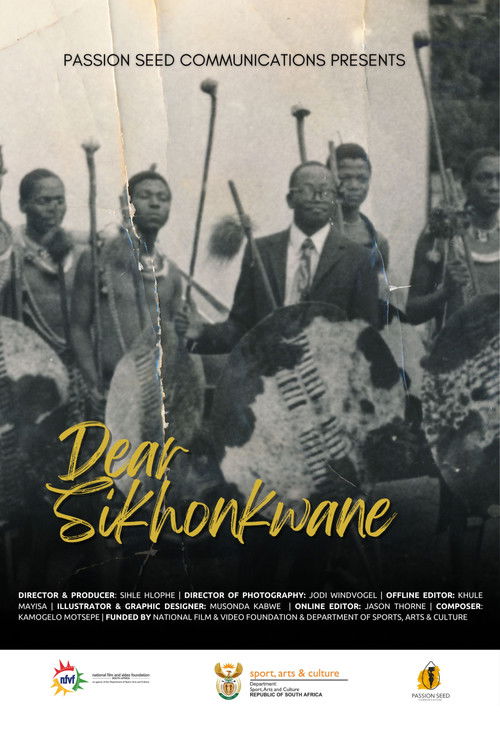
Dear Sikhonkwane - Review
Dear Sikhonkwane: A Love Letter to SiSwati Literature and Legacy
In the landscape of biographical documentaries, where stories of remarkable individuals often get lost in the noise, Dear Sikhonkwane emerges as a poignant and deeply personal tribute to a literary giant largely unknown outside of his native Eswatini. Released on August 3rd, 2025, this film isn't just a recounting of a life; it's an act of preservation, a loving excavation of the legacy of Sikhonkwane, one of the pioneering voices in SiSwati literature. Through the lens of an admirer, the film weaves together archival footage, intimate interviews, and evocative visuals to paint a compelling portrait of a man whose passion for his language shaped a generation.
Plot and Narrative Structure
Dear Sikhonkwane eschews a strictly chronological narrative, opting instead for a more impressionistic approach. The film unfolds as a series of interconnected vignettes, each illuminating a different facet of Sikhonkwane's life and work. We see him as a writer, a teacher, an editor, and, most importantly, a champion of the SiSwati language. The narrative is guided by the voice of the filmmaker – an individual clearly deeply influenced by Sikhonkwane – who acts as both narrator and investigator, piecing together the story through interviews with family, colleagues, and former students. This personal connection adds a layer of intimacy and authenticity, but it also presents a potential challenge: maintaining objectivity.
The film expertly balances the biographical details of Sikhonkwane's life with a broader exploration of the cultural and historical context in which he worked. We learn about the challenges he faced in promoting SiSwati literature in a world dominated by English, the struggles of preserving a language in the face of globalization, and the importance of his work in fostering a sense of national identity. The narrative skillfully interweaves these larger themes with the personal story of Sikhonkwane, creating a rich and multi-layered viewing experience.
However, the non-linear structure, while often effective in creating a sense of intimacy and discovery, occasionally feels disjointed. Some viewers may find themselves struggling to keep track of the timeline or the relationships between the various individuals interviewed. A clearer roadmap, perhaps through the use of onscreen titles or more explicit transitions, could have helped to mitigate this issue.
Character Analysis
Sikhonkwane himself is the central character, of course, but he is presented not as a flawless icon, but as a complex and multifaceted human being. Through the archival footage and interviews, we see his passion, his dedication, his wit, and also his vulnerabilities. The film doesn't shy away from exploring the challenges he faced, both personally and professionally, and this honesty makes him all the more relatable and inspiring.
The other characters in the film – Sikhonkwane's family, colleagues, and former students – are equally well-drawn. Each interviewee brings their own unique perspective to the story, offering a glimpse into the profound impact that Sikhonkwane had on their lives. The film is particularly effective in showcasing the intergenerational impact of his work, demonstrating how his passion for SiSwati literature continues to inspire younger generations.
The filmmaker, as the narrator and investigator, also becomes a character in their own right. Their personal connection to Sikhonkwane adds a layer of authenticity and intimacy to the film, but it also raises questions about objectivity. While the filmmaker clearly strives to present a balanced portrait of Sikhonkwane, it is impossible to completely separate their personal feelings from the narrative. This isn't necessarily a flaw, but it is something that viewers should be aware of.
Direction and Cinematography
The direction of Dear Sikhonkwane is thoughtful and deliberate. The filmmaker employs a variety of techniques to bring Sikhonkwane's story to life, including archival footage, interviews, and evocative visuals. The use of archival footage is particularly effective in capturing the historical context of Sikhonkwane's work, while the interviews provide valuable insights into his personality and his impact on others.
The cinematography is equally impressive. The film is visually stunning, with beautiful shots of the Eswatini landscape. The use of natural light adds a sense of authenticity and intimacy, while the carefully composed shots create a sense of visual poetry. The film also makes effective use of close-ups, allowing the viewer to connect with the characters on a personal level.
One particularly striking visual motif is the recurring image of books. Books are shown being written, read, shelved, and passed down through generations. This visual motif serves as a powerful reminder of the enduring legacy of Sikhonkwane's work and the importance of preserving and promoting SiSwati literature.
However, the film's pacing could be improved. At times, the film feels somewhat slow and deliberate, particularly in the middle section. A tighter edit could have helped to maintain the viewer's engagement throughout the entire film.
Performances
As a documentary, Dear Sikhonkwane doesn't feature traditional "performances" in the sense of actors portraying characters. However, the individuals interviewed in the film deliver powerful and moving testimonials about Sikhonkwane's life and work. Their honesty, vulnerability, and passion are palpable, and their stories are deeply affecting. The filmmaker's presence is also key, guiding the narrative and adding a layer of personal connection.
The archival footage provides glimpses of Sikhonkwane himself, allowing the viewer to see him in action as a writer, teacher, and advocate for SiSwati literature. These glimpses are invaluable in understanding his personality and his impact on others.
The success of the film hinges on the authenticity and sincerity of the individuals interviewed, and in this regard, Dear Sikhonkwane excels. The film is filled with genuine emotion and heartfelt tributes to a man who clearly had a profound impact on many lives.
Themes and Messages
Dear Sikhonkwane explores a number of important themes, including the importance of language preservation, the power of literature to shape identity, and the enduring legacy of cultural heroes. The film is a powerful reminder of the importance of preserving and promoting indigenous languages, particularly in a world dominated by English and other global languages. It also highlights the role that literature can play in fostering a sense of national identity and cultural pride.
The film also explores the theme of mentorship and the importance of passing down knowledge and skills to future generations. Sikhonkwane is portrayed as a dedicated teacher and mentor who inspired countless students to pursue their passion for SiSwati literature. His legacy lives on through the work of these students, who are now carrying on his mission of preserving and promoting the language.
Ultimately, Dear Sikhonkwane is a celebration of the power of one individual to make a difference. Sikhonkwane's passion for SiSwati literature transformed the lives of countless individuals and helped to shape the cultural landscape of Eswatini. His story is an inspiration to us all.
Comparison to Other Films
Dear Sikhonkwane shares similarities with other biographical documentaries that focus on the lives of lesser-known artists and cultural figures. Films like Searching for Sugar Man, which tells the story of the forgotten musician Rodriguez, and Finding Vivian Maier, which explores the life and work of a previously unknown street photographer, share a similar focus on uncovering hidden talent and celebrating the enduring power of art. However, Dear Sikhonkwane distinguishes itself through its specific focus on language preservation and its deeply personal connection to the subject matter.
In terms of the director's previous work (assuming this is a feature debut, since there's no prior filmography provided), it's difficult to draw direct comparisons. However, the film's focus on cultural heritage and its intimate, character-driven approach suggest a potential thematic continuity with other projects the director may have undertaken in the past, perhaps in the realm of short documentaries or cultural preservation initiatives.
Positive Aspects
- Intimate and Personal: The film's personal connection to the subject matter adds a layer of authenticity and emotional depth.
- Visually Stunning: The cinematography is beautiful and evocative, capturing the essence of Eswatini and the spirit of Sikhonkwane's work.
- Important Themes: The film explores important themes related to language preservation, cultural identity, and the power of literature.
- Moving Testimonials: The interviews with Sikhonkwane's family, colleagues, and students are deeply affecting and provide valuable insights into his life and work.
- Thoughtful Direction: The filmmaker employs a variety of techniques to bring Sikhonkwane's story to life in a compelling and engaging way.
Constructive Criticism
- Pacing: The film's pacing could be improved, particularly in the middle section.
- Narrative Structure: The non-linear narrative structure, while often effective, can occasionally feel disjointed.
- Objectivity: While the filmmaker strives to present a balanced portrait of Sikhonkwane, it is impossible to completely separate their personal feelings from the narrative. A more critical examination of Sikhonkwane's potential flaws or controversies (if any existed) could have added depth.
Conclusion
Dear Sikhonkwane is a deeply moving and important film that deserves to be seen by a wide audience. It is a powerful tribute to a literary giant and a celebration of the enduring power of language and culture. While the film has some minor flaws, its strengths far outweigh its weaknesses. It's a film that stays with you long after the credits roll, prompting reflection on the importance of preserving our cultural heritage and celebrating the individuals who dedicate their lives to that cause.
Rating: 8.5/10