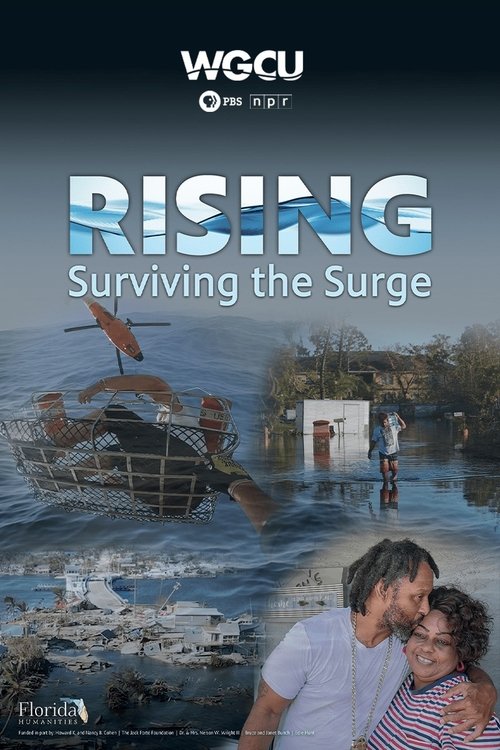
Rising: Surviving the Surge - Review
Rising: Surviving the Surge - A Gripping Chronicle of Resilience in the Face of Climate Change
The roar of the wind, the relentless pounding of rain, and the terrifying surge of water – these are the sounds that haunt the survivors of Hurricane Ian, and they are brought vividly to life in "Rising: Surviving the Surge," a powerful new documentary that serves as both a harrowing testament to the storm's devastation and an inspiring chronicle of human resilience. Released on July 31st, 2025, this film transcends the typical disaster documentary, offering not just a recounting of events, but a deeply human exploration of loss, community, and the urgent need for adaptation in a world increasingly shaped by climate change. "Rising" isn't just a film; it's a wake-up call, delivered with unflinching honesty and profound empathy.
Plot and Structure: A Narrative Mosaic of Destruction and Hope
The film avoids a strictly chronological narrative, instead opting for a mosaic-like structure that interweaves dramatic storm footage with personal survivor stories, scientific analysis, and insights from first responders and community leaders. This approach allows director Anya Sharma to paint a comprehensive picture of the hurricane's impact, moving seamlessly between the immediate chaos of the storm and the long, arduous process of recovery. The film doesn't shy away from the brutal realities of the storm – homes being ripped apart, lives being lost, and entire communities being submerged. But amidst this destruction, Sharma also highlights the remarkable acts of heroism, selflessness, and community spirit that emerged in the storm's aftermath.
The documentary is divided into several thematic sections, each exploring a different facet of the hurricane's impact. These sections include:
- The Fury of the Storm: This segment focuses on the meteorological aspects of Hurricane Ian, explaining the factors that contributed to its unprecedented intensity and the devastating power of its storm surge. It features interviews with meteorologists and climate scientists who provide context for the storm's behavior and discuss the increasing frequency and intensity of such events due to climate change. The use of computer simulations and satellite imagery effectively illustrates the sheer scale and destructive force of the hurricane.
- Witness to Destruction: This section is the heart of the film, featuring deeply moving first-hand accounts from survivors who experienced the storm surge firsthand. These stories are often raw and emotional, capturing the terror, confusion, and despair of those who were caught in the storm's path. Sharma avoids sensationalism, instead allowing the survivors to speak for themselves, sharing their experiences with honesty and vulnerability. These personal narratives provide a powerful human connection to the broader narrative of the disaster.
- The First Responders: This segment highlights the heroic efforts of first responders, including firefighters, police officers, and paramedics, who risked their own lives to rescue those trapped by the storm surge. It showcases the challenges they faced, including limited resources, treacherous conditions, and the sheer scale of the disaster. The film also acknowledges the emotional toll that these experiences took on the first responders themselves.
- The Long Road to Recovery: This section explores the challenges of rebuilding and recovery in the aftermath of the hurricane. It examines the economic impact of the storm, the displacement of residents, and the ongoing struggle to restore infrastructure and essential services. The film also highlights the role of community organizations and volunteers in providing aid and support to those in need.
- Adapting to a Changing Climate: This final segment focuses on the need for proactive measures to mitigate the impact of future storms. It features interviews with urban planners, engineers, and policymakers who discuss strategies for building more resilient infrastructure, improving emergency preparedness, and addressing the underlying causes of climate change. The film emphasizes the importance of learning from the past and taking action to protect vulnerable communities from the increasing threat of extreme weather events.
The film's structure, while effective in conveying the multifaceted nature of the disaster, occasionally feels somewhat disjointed. The constant shifting between different perspectives can sometimes disrupt the narrative flow, making it difficult to fully immerse oneself in any one particular story. However, this is a minor criticism, and the overall impact of the film remains powerful and profound.
Characters and Performances: Authentic Voices of Survival and Resilience
The "characters" in "Rising" are not actors playing roles, but real people sharing their authentic experiences. This is where the film truly shines. The strength of the documentary lies in the raw emotion and vulnerability of its subjects. From the elderly woman who lost her home of 50 years to the young father who risked his life to save his family, each survivor story is deeply affecting and unforgettable. Sharma's sensitive and respectful approach to interviewing her subjects allows them to share their experiences with honesty and dignity.
The first responders, too, are presented as complex and relatable individuals. The film doesn't shy away from showing the emotional toll that their work takes on them, highlighting the sacrifices they make and the challenges they face in the face of overwhelming tragedy. The interviews with scientists and community leaders are equally compelling, providing valuable insights into the causes of the disaster and the strategies for building a more resilient future.
While there are no "performances" in the traditional sense, the film's impact hinges on the authenticity and vulnerability of its subjects. Sharma's skillful direction and editing allow these individuals to shine, making their stories resonate deeply with the audience.
Direction and Cinematography: Visually Capturing the Scale of Devastation
Anya Sharma's direction is both sensitive and unflinching. She doesn't shy away from showing the devastation caused by Hurricane Ian, but she also avoids sensationalism or exploitation. Her focus is always on the human stories behind the disaster, allowing the survivors and first responders to speak for themselves. Sharma's skillful editing and pacing keep the film engaging and informative, even when dealing with complex scientific concepts or emotionally challenging subject matter.
The cinematography in "Rising" is particularly striking. The film effectively combines dramatic storm footage with intimate interviews and aerial shots of the devastated landscape. The storm footage is both terrifying and awe-inspiring, capturing the sheer power of nature. The aerial shots provide a sense of the scale of the disaster, showing the extent of the flooding and the widespread destruction of homes and infrastructure. The use of natural light and handheld cameras in the interviews creates a sense of intimacy and immediacy, drawing the viewer closer to the subjects. The visual contrast between the vibrant beauty of Southwest Florida before the storm and the desolate landscape after the storm is particularly powerful, underscoring the devastating impact of the hurricane.
One minor criticism is that some of the storm footage, while dramatic, occasionally feels repetitive. A greater variety of visual perspectives could have further enhanced the film's impact.
Themes and Messages: Resilience, Climate Change, and the Imperative of Action
"Rising: Surviving the Surge" explores several important themes, including:
- Resilience: The film celebrates the remarkable resilience of the human spirit in the face of adversity. It showcases the strength, determination, and community spirit of the survivors of Hurricane Ian, who refused to be defeated by the disaster and are working tirelessly to rebuild their lives and their communities.
- Climate Change: The film explicitly connects Hurricane Ian to the broader issue of climate change, highlighting the increasing frequency and intensity of extreme weather events. It emphasizes the need for urgent action to reduce greenhouse gas emissions and mitigate the impact of climate change on vulnerable communities.
- Community: The film underscores the importance of community in times of crisis. It showcases the remarkable acts of selflessness and cooperation that emerged in the aftermath of the hurricane, highlighting the power of people working together to support one another.
- Preparedness: The film emphasizes the importance of emergency preparedness, both at the individual and community levels. It highlights the need for better planning, improved infrastructure, and increased public awareness to mitigate the impact of future storms.
- Hope: Despite the devastation and loss depicted in the film, "Rising" ultimately offers a message of hope. It suggests that by learning from the past, taking action to address climate change, and working together to build more resilient communities, we can create a better future for ourselves and for generations to come.
The film's central message is clear: climate change is not a distant threat, but a present reality that is already impacting communities around the world. We must take action now to reduce greenhouse gas emissions, adapt to the changing climate, and protect vulnerable populations from the increasing threat of extreme weather events. "Rising" is not just a documentary; it's a call to action.
Comparison to Other Films and Previous Works
"Rising: Surviving the Surge" shares thematic similarities with other disaster documentaries, such as "An Inconvenient Truth" and "Chasing Coral," which also explore the impact of climate change on the environment and human society. However, "Rising" distinguishes itself by focusing specifically on the human stories behind the disaster, offering a more intimate and emotional perspective. Unlike some disaster films that sensationalize the destruction, "Rising" maintains a respectful and empathetic tone, prioritizing the voices of the survivors and first responders.
Anya Sharma's previous work includes several documentaries focused on social justice and environmental issues. Her experience in crafting compelling narratives from real-life events is evident in "Rising," which showcases her ability to connect with her subjects and convey their stories with sensitivity and authenticity. The film builds upon the themes explored in her earlier works, further solidifying her reputation as a filmmaker committed to raising awareness about critical social and environmental issues.
Positive Aspects and Constructive Criticism
Positive Aspects:
- Powerful and Moving Storytelling: The film effectively conveys the human impact of Hurricane Ian through compelling survivor stories and first-responder accounts.
- Informative and Educational: The film provides valuable insights into the causes of the disaster, the challenges of recovery, and the need for proactive measures to mitigate the impact of future storms.
- Visually Stunning Cinematography: The film's combination of dramatic storm footage, aerial shots, and intimate interviews creates a visually compelling and emotionally resonant experience.
- Sensitive and Respectful Direction: Anya Sharma's direction is both sensitive and unflinching, allowing the subjects to share their stories with honesty and dignity.
- Timely and Relevant Message: The film's message about climate change, resilience, and the imperative of action is particularly timely and relevant in today's world.
Constructive Criticism:
- Disjointed Narrative Structure: The film's mosaic-like structure, while effective in conveying the multifaceted nature of the disaster, occasionally feels somewhat disjointed.
- Repetitive Storm Footage: Some of the storm footage, while dramatic, occasionally feels repetitive.
- Could Explore Policy Solutions in More Depth: While the film touches on the need for policy changes, it could have explored specific policy solutions in greater detail.
Conclusion and Rating
"Rising: Surviving the Surge" is a powerful and moving documentary that offers a sobering look at the realities of climate change and the importance of resilience in the face of adversity. While the film occasionally suffers from a somewhat disjointed narrative structure and repetitive storm footage, its strengths far outweigh its weaknesses. The film's compelling survivor stories, informative scientific analysis, and visually stunning cinematography make it a must-see for anyone concerned about the future of our planet. "Rising" is not just a film; it's a wake-up call, delivered with unflinching honesty and profound empathy.
Rating: 9/10