Dooni - Review
Dooni: A Soulful Requiem for a Disco Icon
Dooni, released on July 31st, 2025, is not your typical biopic. It eschews the familiar cradle-to-grave narrative and instead delivers a deeply moving, intensely personal eulogy for Sylvester, the pioneering soul and disco artist, as voiced by the legendary gospel singer and preacher, Walter Hawkins. This unconventional approach, coupled with Timothy Johnson's captivating performance as Hawkins, makes Dooni a unique and powerful cinematic experience, one that resonates long after the credits roll. But does this singular vision fully succeed in capturing the essence of Sylvester's life and legacy? Let's delve into the heart of Dooni and explore its triumphs and shortcomings.
Plot: A Eulogy Unveiled
The film's plot is, by design, minimalist. It centers entirely around Walter Hawkins' eulogy for Sylvester, delivered at a memorial service following Sylvester's passing from complications related to AIDS in 1988. The film opens with a stark, almost empty church. The camera focuses intently on Timothy Johnson as Walter Hawkins, dressed in somber robes, approaching the pulpit. From this point forward, the film is essentially a monologue. Hawkins' words, however, are not simply read; they are performed, embodied, and imbued with a depth of emotion that transcends the literal text.
Hawkins' eulogy is not a chronological recounting of Sylvester's life. Instead, it's a tapestry woven from anecdotes, reflections, and spiritual insights. He speaks of Sylvester's childhood in the Pentecostal church, his early musical influences, his struggle with identity and acceptance, and his eventual rise to fame. He acknowledges the controversy surrounding Sylvester's flamboyant persona and his open homosexuality, but he also emphasizes his undeniable talent, his unwavering spirit, and his profound impact on the music world. Crucially, Hawkins grapples with the tension between his own religious beliefs and his love and respect for Sylvester, presenting a nuanced and thought-provoking perspective on faith, sexuality, and acceptance. Flashbacks, presented as dreamlike sequences, punctuate the eulogy, offering glimpses into key moments in Sylvester's life. These are not extensive scenes, but rather brief, evocative images that serve to illustrate Hawkins' words and deepen our understanding of Sylvester's journey.
Characters: Voices of Remembrance
The film essentially features two characters: Walter Hawkins, portrayed by Timothy Johnson, and the spectral presence of Sylvester, glimpsed only in brief flashbacks. While Sylvester is not physically present, his spirit permeates every frame.
Walter Hawkins (Timothy Johnson)
Timothy Johnson's performance as Walter Hawkins is nothing short of masterful. He captures the preacher's gravitas, his compassion, and his internal conflict with remarkable authenticity. Johnson doesn't simply imitate Hawkins; he inhabits him, conveying the weight of his words and the depth of his emotions through subtle gestures, nuanced vocal inflections, and piercing gaze. His performance is a tour de force of controlled emotion, a testament to his ability to convey complex feelings without resorting to melodrama. He embodies the struggle of a deeply religious man reconciling his faith with his love for a friend who lived a life that challenged those beliefs. Johnson is the heart and soul of Dooni, and his performance elevates the film from a simple biographical sketch to a profound meditation on life, death, and acceptance.
Sylvester (Glimpsed in Flashbacks)
The actor portraying Sylvester in the flashbacks (credited as "Sylvester's Essence") is intentionally not a direct impersonation. Instead, the filmmakers opted for a more abstract representation, focusing on capturing the spirit and energy of the iconic singer. These brief glimpses of Sylvester – singing on stage, laughing with friends, facing discrimination – are powerful precisely because they are not fully realized. They serve as fragments of memory, echoes of a life lived fully and authentically, even in the face of adversity. This approach allows the audience to project their own understanding and appreciation of Sylvester onto the character, creating a more personal and intimate connection.
Direction and Cinematography: A Visual Sermon
Director Ava Dubois takes a bold and minimalist approach to Dooni, allowing the power of Hawkins' eulogy and Johnson's performance to take center stage. The direction is deliberately understated, avoiding flashy camera work or distracting editing. The focus remains squarely on Johnson, capturing every nuance of his performance. The flashbacks are seamlessly integrated into the narrative, adding depth and context without disrupting the flow of the eulogy.
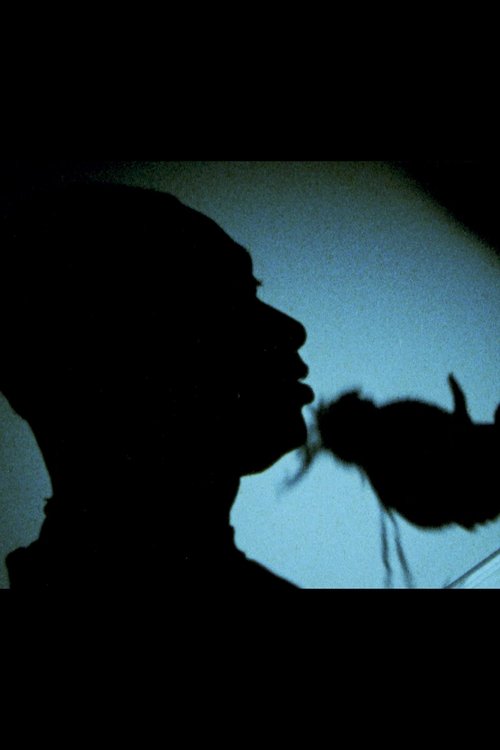
The cinematography, by renowned cinematographer Lena Reyes, is equally effective in its simplicity. The film is primarily shot in a muted color palette, reflecting the somber occasion. Reyes uses lighting to great effect, highlighting Johnson's face and emphasizing the emotional weight of his words. The use of shadows creates a sense of intimacy and vulnerability, drawing the audience into Hawkins' inner world. The camera movements are slow and deliberate, allowing the audience to fully absorb the performance and the atmosphere. The flashbacks are shot in a slightly more vibrant style, reflecting the energy and vibrancy of Sylvester's life and music. Reyes' cinematography is a masterclass in visual storytelling, enhancing the emotional impact of the film without ever overshadowing the central performance.
Themes and Messages: Love, Loss, and Acceptance
Dooni is a film rich in thematic depth, exploring complex issues of faith, sexuality, identity, and acceptance. At its core, the film is a celebration of Sylvester's life and legacy, honoring his contribution to music and his unwavering commitment to living authentically. It also serves as a powerful reminder of the devastating impact of the AIDS epidemic and the importance of compassion and understanding in the face of suffering.
One of the central themes of the film is the tension between faith and sexuality. Walter Hawkins, a devout gospel singer, grapples with the challenge of reconciling his religious beliefs with his love and respect for Sylvester, a gay man who lived a life that often clashed with those beliefs. The film does not offer easy answers, but instead explores the complexities of this issue with honesty and sensitivity. It suggests that love and acceptance can transcend religious differences, and that faith can be a source of strength and compassion, even in the face of difficult questions.
Another key theme is the importance of living authentically. Sylvester faced considerable discrimination and prejudice throughout his life, but he never compromised his identity or his artistic vision. He embraced his flamboyance, his sexuality, and his unique musical style, becoming an icon for marginalized communities. Dooni celebrates Sylvester's courage and encourages viewers to embrace their own individuality and to live authentically, regardless of societal pressures.
Finally, Dooni is a powerful testament to the enduring power of music. Sylvester's music brought joy and inspiration to millions, and his songs continue to resonate with audiences today. The film reminds us that music can be a source of healing, connection, and hope, especially in times of grief and loss.
Performances: A Masterclass in Subtlety
As mentioned earlier, Timothy Johnson's performance as Walter Hawkins is the cornerstone of Dooni. His ability to convey complex emotions with such subtlety and nuance is truly remarkable. He captures the preacher's gravitas, his compassion, and his internal conflict with unwavering authenticity. It's a performance that demands awards recognition. The supporting cast, while limited in screen time, also delivers strong performances. The actor portraying Sylvester's Essence captures the spirit and energy of the iconic singer, while the actors portraying members of the church congregation provide a sense of community and shared grief.
Comparison to Other Films
Dooni is unique in its approach, but it shares some thematic similarities with other films that explore the lives of LGBTQ+ artists and the intersection of faith and sexuality. Films like Milk (2008), Bohemian Rhapsody (2018), and Rocketman (2019) all celebrate the lives and legacies of LGBTQ+ icons, but they do so through more conventional biographical narratives. Dooni stands apart in its minimalist approach and its focus on a single, pivotal moment in time. It also bears some resemblance to films like The Sunset Limited (2011), which features two characters engaging in a philosophical debate about life, death, and faith. However, Dooni is ultimately a more personal and intimate film, focusing on the specific experiences and emotions of its characters.
Compared to Ava Dubois' previous work, Dooni represents a significant departure. Dubois is known for her visually stunning and action-packed films, but Dooni is a much more restrained and character-driven piece. This demonstrates Dubois' versatility as a director and her willingness to take risks and explore new genres.
Positive Aspects
- Timothy Johnson's masterful performance as Walter Hawkins.
- Ava Dubois' bold and minimalist direction.
- Lena Reyes' evocative cinematography.
- The film's exploration of complex themes of faith, sexuality, and acceptance.
- The film's celebration of Sylvester's life and legacy.
Constructive Criticism
- The minimalist plot may not appeal to all viewers. Some may find the film too slow-paced and lacking in traditional narrative structure.
- The abstract representation of Sylvester in the flashbacks may not satisfy all fans of the singer. Some may prefer a more direct and literal portrayal.
- The film's focus on Walter Hawkins' perspective may overshadow Sylvester's own voice and experiences.
Conclusion
Dooni is a powerful and moving film that offers a unique and insightful perspective on the life and legacy of Sylvester. Timothy Johnson's performance is a revelation, and Ava Dubois' direction is both bold and sensitive. While the film's minimalist plot may not appeal to all viewers, those who are willing to embrace its unconventional approach will be rewarded with a deeply rewarding and thought-provoking cinematic experience. Dooni is a film that stays with you long after the credits roll, prompting reflection on issues of faith, sexuality, identity, and the enduring power of music. It's a film that deserves to be seen and discussed.
Rating: 9/10