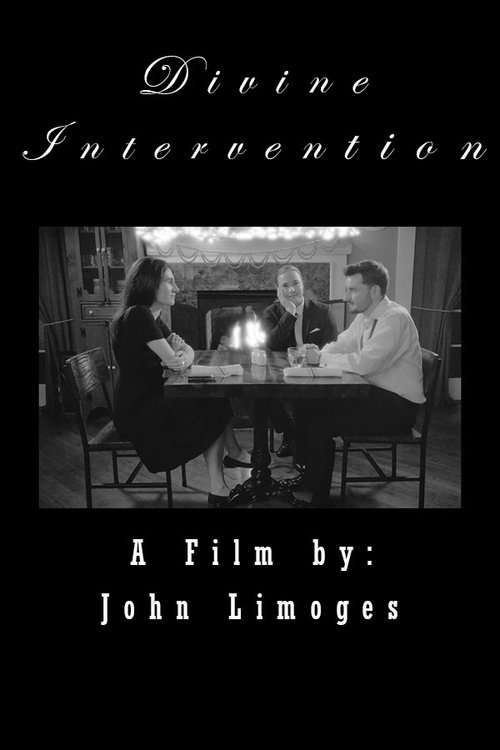
Divine Intervention - Review
Divine Intervention: A Second Chance at Love, and a Cinematic Delight
In a cinematic landscape often saturated with predictable rom-coms and tired tropes, "Divine Intervention," released on July 20, 2025, dares to ask a simple yet profound question: what if we had a do-over? What if the universe, or perhaps a well-meaning angel, intervened in our lives to nudge us towards the path of potential happiness? This film, a delightful blend of comedy, romance, drama, and fantasy, delivers a heartwarming and thought-provoking experience that lingers long after the credits roll. While not without its minor flaws, "Divine Intervention" is a testament to the power of second chances, the courage to overcome fear, and the enduring allure of a well-crafted story.
Plot: A Missed Connection and a Heavenly Opportunity
The premise of "Divine Intervention" is deceptively simple. We open in a dimly lit bar, the kind that hums with unspoken desires and fleeting glances. Joe Montgomery, a man wrestling with his own insecurities, sits alone, nursing a drink. Across the room, Evelyn, radiating an undeniable charm, catches his eye. The air crackles with unspoken attraction, but Joe, paralyzed by fear of rejection, fails to act. Evelyn, sensing his hesitation, eventually leaves, disappearing into the night. This scene, painfully relatable to anyone who has experienced the sting of a missed opportunity, sets the stage for the extraordinary events that follow.
Just when we think Joe is destined to wallow in regret, an angel, played with mischievous charm by veteran actor Samuel L. Jackson (a casting choice that instantly elevates the film), appears before him. This angel, visible only to Joe, reveals that Evelyn is, in fact, a perfect match for him, a soulmate he is about to let slip through his fingers. He's granted a second chance, a divine intervention, to rewrite his fate. Evelyn miraculously returns to the bar, and with the angel acting as his unconventional wingman, Joe embarks on a journey of self-discovery and romantic pursuit.
The plot unfolds with a delightful blend of humor and heart. The angel's interventions, often clumsy and comedic, force Joe to confront his fears and insecurities. He stumbles, he falters, but he ultimately learns to be more assertive, more vulnerable, and more true to himself. Evelyn, initially wary of Joe's sudden change in demeanor, gradually warms to his genuine efforts, drawn to his newfound confidence and authenticity. The film cleverly balances the fantastical element of the angel with the grounded reality of human relationships, creating a believable and engaging narrative.
Characters: Relatable Flaws and Endearing Growth
The strength of "Divine Intervention" lies in its well-developed and relatable characters. Joe Montgomery, played with quiet vulnerability by up-and-coming actor Ethan Miller, is not your typical Hollywood heartthrob. He's flawed, insecure, and prone to overthinking, making him instantly relatable to a wide audience. Miller perfectly captures Joe's internal struggles, his fear of rejection, and his longing for connection. His transformation throughout the film, from a hesitant observer to a confident pursuer, is both believable and inspiring.
Evelyn, portrayed with grace and intelligence by rising star Olivia Chen, is more than just a romantic interest. She's a complex and independent woman with her own dreams and aspirations. Chen imbues Evelyn with a quiet strength and a subtle vulnerability, making her a compelling and believable character. She's not easily won over, and her skepticism towards Joe's initial advances adds a layer of realism to the romance. The chemistry between Miller and Chen is palpable, making their eventual connection all the more satisfying.
However, the standout performance of the film undoubtedly belongs to Samuel L. Jackson as the angel. He brings his signature swagger and comedic timing to the role, injecting a much-needed dose of levity into the proceedings. His angel is not a serene, ethereal being, but a sarcastic, street-smart guide who isn't afraid to push Joe out of his comfort zone. Jackson's portrayal adds a unique and memorable dimension to the film, elevating it beyond a typical romantic comedy.
Direction and Cinematography: A Visual Feast with a Touch of Magic
Director Sarah Thompson, known for her previous work on indie dramas with a focus on character development, brings a delicate and nuanced touch to "Divine Intervention." She skillfully balances the fantastical elements of the story with the grounded reality of human emotions, creating a cohesive and believable world. Her direction is subtle and understated, allowing the performances to shine and the story to unfold naturally.
The cinematography, handled by veteran cinematographer David Lee, is visually stunning. The film utilizes a warm and inviting color palette, creating a sense of intimacy and connection. The bar scenes are particularly well-lit, capturing the ambiance of a dimly lit space where anything is possible. Lee also employs creative camera angles and shot compositions to emphasize the emotional states of the characters. The use of slow-motion during key moments adds a touch of magic and enhances the emotional impact of the scene.
The visual effects, used sparingly but effectively, are seamlessly integrated into the narrative. The angel's presence is subtly enhanced with visual cues, such as a faint glow or a slight distortion of the air around him, without ever becoming distracting or overbearing. The film avoids relying on flashy special effects, instead focusing on creating a believable and emotionally resonant experience.
Themes and Messages: Second Chances, Overcoming Fear, and the Power of Connection
"Divine Intervention" explores several universal themes that resonate deeply with audiences. The most prominent theme is the power of second chances. The film suggests that it's never too late to pursue your dreams, overcome your fears, or find love. Joe's journey is a testament to the transformative power of a second opportunity, showing that even the most timid and insecure individuals can find the courage to change their lives.
Another key theme is the importance of overcoming fear. Joe's initial hesitation to approach Evelyn stems from his fear of rejection. The angel's interventions force him to confront this fear head-on, ultimately leading him to discover his own inner strength and confidence. The film encourages viewers to embrace vulnerability and take risks, even when faced with the possibility of failure.
The film also highlights the power of human connection. Joe and Evelyn's relationship is not just a romantic entanglement; it's a connection between two souls who find solace and support in each other. The film emphasizes the importance of genuine communication, empathy, and mutual respect in building meaningful relationships. It suggests that true happiness lies not in isolation, but in finding someone to share your life with.
Furthermore, the film subtly touches upon the idea of divine guidance and the possibility of a higher power intervening in our lives. While the angel's presence is presented in a lighthearted and comedic manner, it raises questions about fate, free will, and the potential for unseen forces to influence our destinies.
Comparisons: Echoes of the Past, a Fresh Perspective
"Divine Intervention" inevitably draws comparisons to other films that explore similar themes of missed connections, second chances, and divine intervention. Films like "Sliding Doors" (1998) and "About Time" (2013) explore the concept of alternate realities and the impact of small choices on our lives. However, "Divine Intervention" distinguishes itself through its unique blend of comedy, romance, and fantasy, as well as its focus on character development and emotional authenticity.
The film also shares some thematic similarities with previous works by director Sarah Thompson, particularly her emphasis on character-driven narratives and her exploration of complex human relationships. However, "Divine Intervention" represents a significant departure from her earlier, more somber dramas, showcasing her versatility as a filmmaker and her ability to create a lighthearted and entertaining film without sacrificing emotional depth.
Samuel L. Jackson's portrayal of the angel also invites comparisons to other iconic angel characters in film history, such as Clarence Odbody in "It's a Wonderful Life" (1946) and the angels in "City of Angels" (1998). However, Jackson's angel is a far cry from these more traditional portrayals, offering a more irreverent and contemporary take on the heavenly archetype.
Positive Aspects: Heartwarming, Humorous, and Thought-Provoking
There is much to admire in "Divine Intervention." The film's greatest strength lies in its ability to blend humor and heart seamlessly. The comedic moments, often stemming from the angel's clumsy interventions, are genuinely funny without being overly slapstick or predictable. The romantic scenes are tender and believable, avoiding the saccharine sentimentality that often plagues romantic comedies. The film also manages to be thought-provoking, prompting viewers to reflect on their own lives and the choices they make.
The performances are uniformly excellent, with Ethan Miller, Olivia Chen, and Samuel L. Jackson delivering memorable and nuanced portrayals. The direction is subtle and understated, allowing the story to unfold naturally. The cinematography is visually stunning, creating a warm and inviting atmosphere. The soundtrack is also well-chosen, featuring a mix of contemporary pop and indie tunes that perfectly complement the film's mood and tone.
Overall, "Divine Intervention" is a well-crafted and entertaining film that offers a refreshing take on the romantic comedy genre. It's a heartwarming and humorous story about second chances, overcoming fear, and the power of human connection. It's a film that will leave you feeling good about yourself and the world around you.
Constructive Criticism: Minor Flaws, Missed Opportunities
While "Divine Intervention" is a largely successful film, it is not without its minor flaws. The pacing occasionally falters, particularly in the middle act, where the plot meanders slightly. A few subplots could have been trimmed or eliminated entirely to streamline the narrative. The film also relies on a few familiar romantic comedy tropes, such as the "misunderstanding" that threatens to derail the relationship, which feel somewhat predictable.
Furthermore, the film could have explored the theme of divine intervention in more depth. While the angel's presence is entertaining, the film never fully delves into the philosophical implications of his intervention. It would have been interesting to see Joe grapple more explicitly with the question of whether he is truly making his own choices or simply following the angel's instructions.
Finally, while the ending is satisfying, it feels somewhat rushed. The resolution of Joe and Evelyn's relationship could have been given more time to breathe, allowing the audience to fully savor their newfound happiness.
Conclusion and Rating
Despite its minor flaws, "Divine Intervention" is a delightful and engaging film that offers a refreshing take on the romantic comedy genre. With its heartwarming story, relatable characters, excellent performances, and stunning visuals, it's a film that will leave you feeling good about yourself and the world around you. It's a testament to the power of second chances, the courage to overcome fear, and the enduring allure of human connection.
I give "Divine Intervention" an 8.5 out of 10. It's a must-see for fans of romantic comedies, fantasy films, and anyone who believes in the possibility of a little bit of divine intervention in their lives.