FALSETA - Review
FALSETAS: A Dance with Echoes - A Review of the 2025 Flamenco Experiment
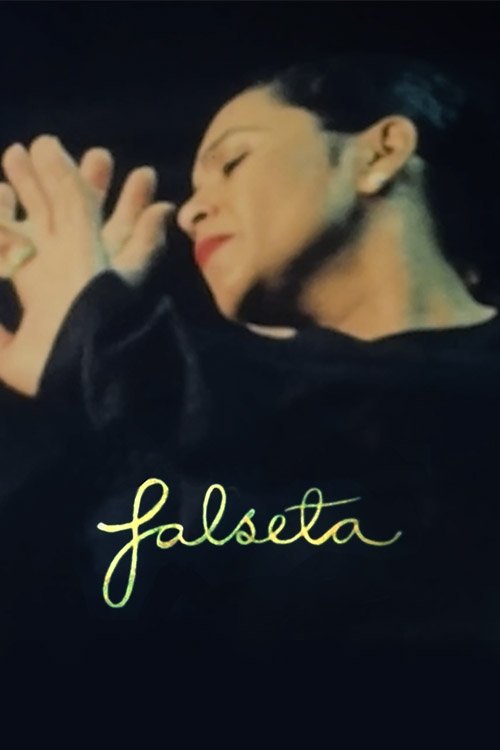
Falsetas, the experimental dance film directed by the enigmatic Anya Petrova, released on July 17th, 2025, is not your typical summer blockbuster. It's a challenging, hypnotic, and ultimately rewarding experience that demands patience and an open mind. Structured around the flamenco falseta – a guitarist's melodic improvisation – the film eschews traditional narrative in favor of a visceral, emotional journey expressed through movement, sound, and striking visuals. Prepare to be transported to a world where passion, grief, and the very essence of human connection are communicated through the language of flamenco.
Plot: Melody as Narrative
To call Falsetas "plotless" would be inaccurate, but it certainly deviates from conventional storytelling. There is no clearly defined protagonist, antagonist, or overarching conflict in the traditional sense. Instead, the film is structured as a series of vignettes, each inspired by a specific falseta played by the virtuoso guitarist, Mateo Vargas. These musical pieces serve as the emotional anchors, dictating the mood, tempo, and thematic undercurrents of each segment.
Each vignette features a different dancer or group of dancers, exploring a range of human experiences. One segment might focus on the raw, untamed energy of youthful passion, expressed through rapid footwork and defiant gestures. Another could delve into the depths of grief, with slow, deliberate movements and melancholic expressions etched on the dancers' faces. A third might explore the complex dynamics of familial relationships, conveyed through intricate choreography that blends tenderness with tension.
The film's "plot," therefore, is the cumulative emotional impact of these vignettes, building upon each other to create a resonant and multifaceted portrait of the human condition. It’s a tapestry woven from fleeting moments, fragmented narratives, and the universal language of movement. The lack of explicit dialogue forces the audience to actively engage with the film, interpreting the dancers' expressions and movements to decipher the underlying stories.
However, this experimental approach can also be a point of contention. Some viewers may find the lack of a clear narrative frustrating, longing for a more traditional story structure. The ambiguity can be alienating, requiring a willingness to surrender to the film's rhythm and embrace its abstract nature.
Characters: Embodiments of Emotion
While Falsetas lacks traditional characters with names, backstories, and motivations, the dancers themselves become embodiments of specific emotions and archetypes. They are not individuals in the conventional sense, but rather vessels through which the film explores universal themes. The dancers are more akin to instruments in an orchestra, each contributing to the overall symphony of emotions.
The lead dancer, played by the incredibly expressive Sofia Ramirez, is a recurring figure throughout the film. She doesn't portray a single character, but rather embodies a range of emotions, from joy and exuberance to sorrow and despair. Her performance is breathtaking, conveying a depth of feeling that transcends words. Her control of her body, her ability to communicate complex emotions through subtle gestures, is truly remarkable.
Other notable dancers include Javier Mendoza, who excels in portraying the raw, aggressive energy of male passion, and Isabella Rodriguez, who brings a quiet dignity and grace to her portrayal of grief and loss. Each dancer brings their unique skills and interpretations to the film, adding layers of complexity and nuance to the overall emotional landscape.
The "characters" are not defined by their individual stories, but by the emotions they embody and the relationships they forge with each other through movement. They are archetypes, representing the universal human experiences that resonate across cultures and generations.
Direction: Petrova's Vision
Anya Petrova's direction in Falsetas is both audacious and masterful. She eschews traditional filmmaking conventions, opting for a more experimental and impressionistic approach. Her focus is on creating a visually stunning and emotionally resonant experience, rather than telling a straightforward story.
Petrova's use of long takes, close-ups, and slow-motion sequences creates a sense of intimacy and allows the audience to fully immerse themselves in the dancers' movements. Her attention to detail is evident in every frame, from the intricate costumes to the carefully chosen lighting. She masterfully uses the camera to capture the subtle nuances of the dancers' expressions and the raw energy of their movements.
One of Petrova's most distinctive directorial choices is her use of natural light. The film is largely shot outdoors, in locations that range from sun-drenched plazas to dimly lit alleyways. This gives the film a sense of authenticity and immediacy, as if we are witnessing these dances in real time. The natural light also enhances the beauty of the dancers' movements, casting long shadows and highlighting their physicality.
However, Petrova's experimental approach may not appeal to all viewers. Some may find her directorial style too abstract and unconventional. The lack of a clear narrative and the emphasis on visual and emotional impact may leave some viewers feeling disoriented or confused. But for those who are willing to embrace Petrova's unique vision, Falsetas offers a truly rewarding and transformative cinematic experience.
Cinematography: A Dance of Light and Shadow
The cinematography in Falsetas, helmed by the talented Diego Alvarez, is nothing short of breathtaking. Alvarez's work is a visual feast, capturing the beauty and raw energy of the flamenco dance with stunning clarity and artistry. He uses light and shadow to create a sense of depth and drama, enhancing the emotional impact of the dancers' movements.
Alvarez's use of natural light is particularly impressive. He masterfully captures the golden hour, bathing the dancers in a warm, ethereal glow. He also uses shadows to create a sense of mystery and intrigue, adding layers of complexity to the visual narrative. The interplay of light and shadow is not merely aesthetic; it's integral to the film's storytelling, reflecting the emotional complexities of the characters and the themes they embody.
The camera movements are also carefully choreographed, mirroring the dancers' movements and creating a sense of fluidity and dynamism. Alvarez uses long takes to capture the full scope of the dancers' performances, allowing the audience to fully appreciate their skill and artistry. He also uses close-ups to capture the subtle nuances of their expressions, revealing the emotions that lie beneath the surface.
One particularly memorable sequence features the lead dancer, Sofia Ramirez, performing a solo in a dimly lit alleyway. Alvarez uses low-angle shots to emphasize her power and grace, while the shadows create a sense of isolation and vulnerability. The sequence is a visual masterpiece, perfectly capturing the emotional complexity of the character and the themes of the film.
Alvarez's cinematography elevates Falsetas from a mere dance film to a work of art. His stunning visuals enhance the emotional impact of the dancers' performances, creating a truly immersive and unforgettable cinematic experience.
Performances: A Symphony of Movement
The performances in Falsetas are nothing short of extraordinary. The dancers are not merely executing steps; they are embodying emotions, telling stories, and communicating with each other through the language of movement. Each dancer brings their unique skills and interpretations to the film, creating a symphony of movement that is both visually stunning and emotionally resonant.
Sofia Ramirez's performance as the lead dancer is particularly noteworthy. She is a force of nature on screen, commanding attention with her powerful presence and her breathtaking technique. Her ability to convey complex emotions through subtle gestures and facial expressions is truly remarkable. She is not just a dancer; she is an actress, a storyteller, and a conduit for the film's emotional core.
Javier Mendoza brings a raw, untamed energy to his performances, embodying the passion and aggression of male flamenco. His footwork is lightning-fast, his movements are precise and powerful, and his presence is undeniably captivating. He is a perfect counterpoint to Ramirez's more nuanced and introspective performance.
Isabella Rodriguez delivers a more restrained and introspective performance, conveying the pain and grief of loss with quiet dignity and grace. Her movements are slow and deliberate, her expressions are melancholic, and her presence is deeply moving. She is a master of subtlety, conveying a wealth of emotion with minimal movement.
The ensemble performances are also exceptional, showcasing the dancers' ability to work together as a cohesive unit. Their movements are synchronized, their energy is palpable, and their connection to each other is undeniable. They create a sense of community and shared experience, reinforcing the film's themes of human connection and empathy.
The performances in Falsetas are a testament to the dancers' skill, dedication, and artistry. They are not just dancers; they are artists, storytellers, and emotional conduits, bringing the film's themes to life with breathtaking beauty and power.
Themes and Messages: Echoes of the Human Heart
Falsetas delves into a multitude of universal themes, primarily focusing on the human experience of emotion, loss, love, and connection. The film explores the full spectrum of human feelings, from the exuberance of joy to the depths of despair.
Grief and Loss: One of the most prominent themes in the film is the exploration of grief and loss. Several vignettes depict dancers grappling with the death of loved ones, expressing their sorrow and pain through slow, deliberate movements and melancholic expressions. The film acknowledges the universality of grief and the importance of allowing oneself to feel and process these difficult emotions.
Love and Passion: The film also celebrates the power of love and passion, depicting the raw, untamed energy of romantic relationships. These vignettes are characterized by rapid footwork, defiant gestures, and a sense of exhilarating abandon. The film explores the complexities of love, acknowledging both its joys and its challenges.
Human Connection: Throughout the film, Petrova emphasizes the importance of human connection and empathy. The dancers interact with each other in ways that transcend words, communicating through touch, gesture, and shared movement. The film suggests that even in the face of adversity, human connection can provide solace and strength.
The Power of Art: Falsetas is, in itself, a testament to the power of art to express and communicate complex emotions. The film demonstrates how dance, music, and visual imagery can be used to convey feelings that are difficult to articulate in words. It celebrates the role of art in helping us to understand ourselves and the world around us.
The film's messages are not explicitly stated, but rather subtly conveyed through the dancers' movements and expressions. It is up to the audience to interpret these messages and to draw their own conclusions about the meaning of the film. This ambiguity is both a strength and a weakness, allowing for multiple interpretations but also potentially leaving some viewers feeling confused or unsatisfied.
Comparisons: Echoes of the Past, Visions of the Future
Falsetas, with its experimental approach to dance and narrative, invites comparisons to other films that have pushed the boundaries of the genre. Pina Bausch's work, particularly her dance films like Pina, immediately come to mind. Both Petrova and Bausch use dance as a means of exploring complex emotions and social issues, eschewing traditional narrative structures in favor of a more visceral and impressionistic approach. However, while Bausch's films often focus on the alienation and isolation of modern life, Petrova's work is more focused on the universal human experiences of love, loss, and connection.
Another possible comparison is Carlos Saura's flamenco trilogy (Bodas de Sangre, Carmen, and El Amor Brujo). Saura's films, while more narrative-driven than Falsetas, also explore the power of flamenco to express intense emotions and tell compelling stories. However, Saura's films are more traditional in their approach, featuring clear storylines and well-defined characters. Falsetas, on the other hand, is more experimental and abstract, prioritizing emotional impact over narrative coherence.
In terms of Anya Petrova's previous work, Falsetas represents a significant departure from her earlier, more narrative-driven films. Her previous film, The Silent Echo, was a historical drama that followed the life of a flamenco dancer during the Spanish Civil War. While The Silent Echo also featured stunning dance sequences, it was ultimately a more conventional film than Falsetas. With Falsetas, Petrova has clearly embraced a more experimental and avant-garde approach, pushing the boundaries of the dance film genre.
Falsetas also feels like a natural evolution of contemporary dance films like *Stop Making Sense* (Talking Heads concert film, but undeniably dance-centric) in that it fully immerses the viewer in the performance, but it then expands upon that by not only capturing the movements, but also using those movements as the framework for an emotional narrative. It's a bold step forward for the genre.
Positive Aspects: A Triumph of Artistry
Falsetas is a film that rewards patience and an open mind. Its strengths lie in its stunning visuals, its breathtaking performances, and its emotionally resonant themes.
- Exceptional Cinematography: Diego Alvarez's cinematography is a visual feast, capturing the beauty and raw energy of flamenco with stunning clarity and artistry.
- Powerful Performances: The dancers deliver extraordinary performances, embodying emotions and telling stories through the language of movement. Sofia Ramirez, in particular, is a force of nature on screen.
- Emotionally Resonant Themes: The film explores universal themes of love, loss, and connection, resonating with viewers on a deep emotional level.
- Audacious Direction: Anya Petrova's direction is both bold and masterful, pushing the boundaries of the dance film genre.
- Hypnotic Soundtrack: Mateo Vargas's guitar playing is mesmerizing, creating a hypnotic soundscape that perfectly complements the dancers' movements.
Constructive Criticism: Areas for Improvement
While Falsetas is a remarkable achievement, it is not without its flaws. The film's experimental approach may alienate some viewers, and its lack of a clear narrative can be frustrating.
- Lack of Narrative Clarity: The film's abstract nature and lack of a clear storyline may leave some viewers feeling disoriented or confused. A slightly more defined narrative structure could have made the film more accessible to a wider audience.
- Pacing Issues: The film's slow pace and long takes can be challenging for some viewers. A more varied pace, with moments of both intensity and repose, could have improved the overall viewing experience.
- Potential for Elitism: The film's experimental approach may come across as elitist or pretentious to some viewers. A greater effort to connect with a broader audience could have made the film more impactful.
- Over-Reliance on Symbolism: While the film's symbolism is often effective, it can occasionally feel heavy-handed or overly obvious. A more subtle and nuanced approach to symbolism could have enhanced the film's emotional impact.
Conclusion: A Dance Worth Witnessing
Falsetas is not a film for everyone. It's a challenging, experimental, and ultimately rewarding experience that demands patience and an open mind. While its lack of a clear narrative and its slow pace may alienate some viewers, its stunning visuals, breathtaking performances, and emotionally resonant themes make it a truly unforgettable cinematic experience.
Anya Petrova has created a work of art that pushes the boundaries of the dance film genre, exploring the power of movement to express complex emotions and tell compelling stories. Falsetas is a film that will stay with you long after the credits roll, prompting you to reflect on the nature of human experience and the power of art to connect us all.
Rating: 8.5/10