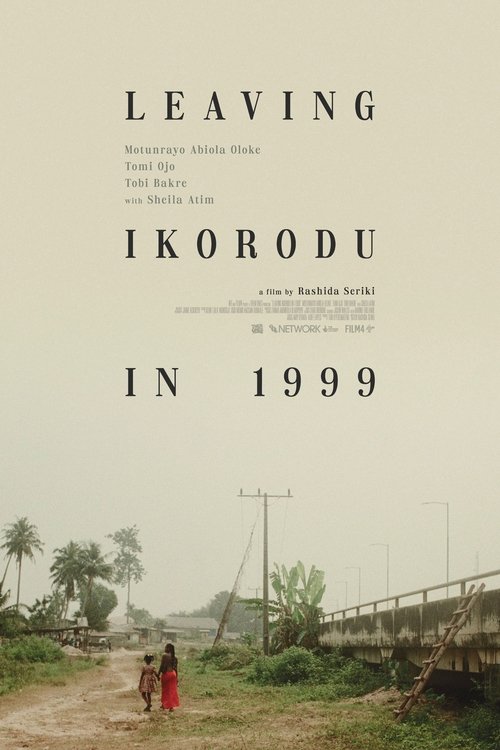
Leaving Ikorodu In 1999 - Review
Leaving Ikorodu In 1999: A Generational Crossroads on a Nigerian Road
Have you ever felt the weight of a nation’s dreams and anxieties pressing down on a single car journey? "Leaving Ikorodu In 1999," a poignant and thought-provoking film released on January 1st, 2024, masterfully captures that feeling. It’s not a grand, sweeping epic, but rather a tightly focused character study that unfolds during a seemingly mundane trip to the airport. But beneath the surface of this simple premise lies a complex exploration of family, ambition, and the enduring question of what it truly means to build a life, especially when that life is pulled between the familiar comforts of home and the allure of a foreign land.
Plot: A Road Trip of Reflection
The narrative core of "Leaving Ikorodu In 1999" is deceptively simple. Fade, a middle-aged woman deeply rooted in her Nigerian heritage, is tasked with taking her young niece, Aisha, to the airport for her flight to Canada. Aisha is embarking on a new chapter, leaving behind Ikorodu and her family to pursue educational opportunities abroad. The film meticulously chronicles this single car ride, using the confined space to amplify the unspoken tensions and generational divides that simmer between Fade and Aisha. The plot doesn't rely on dramatic twists or external conflicts. Instead, the drama unfolds internally, through the characters' dialogues, silences, and subtle shifts in body language. Flashbacks, cleverly integrated into the present-day journey, provide glimpses into Fade’s past, revealing the sacrifices she made and the choices that shaped her life. These flashbacks aren't mere exposition; they are integral to understanding Fade's anxieties about Aisha's future and her underlying fear that Aisha is making a mistake by leaving.
Characters: A Portrait of Two Generations
The strength of "Leaving Ikorodu In 1999" lies in its richly developed characters. Fade, played with remarkable nuance, is the emotional anchor of the film. She embodies the spirit of a generation that weathered the storms of Nigeria's past, clinging to tradition and family values in the face of economic hardship and political instability. Her character is complex, a blend of unwavering love for her niece and a deep-seated fear of the unknown. Her questions to Aisha, seemingly innocent, are laced with a subtle disapproval, a quiet plea for Aisha to reconsider her decision. We see in her eyes the weight of expectation, the unspoken desire for Aisha to stay and contribute to the community she is leaving behind. Aisha, on the other hand, represents the aspirations of a new generation. She is optimistic, ambitious, and eager to embrace the opportunities that await her. She is not rejecting her heritage, but rather seeking a path that allows her to fulfill her potential in a world that feels increasingly globalized. While she respects Fade's concerns, she is also determined to forge her own destiny. The film avoids portraying either character as inherently right or wrong. Instead, it presents them as products of their respective environments, each with valid reasons for their beliefs and choices.
Direction and Cinematography: A Masterclass in Intimacy
The director's vision is evident in every frame of "Leaving Ikorodu In 1999." The film is directed with a delicate touch, allowing the story to unfold organically. The pacing is deliberate, mirroring the slow, contemplative nature of the road trip. The director makes excellent use of close-up shots, focusing on the characters' faces to capture their emotions and inner thoughts. These intimate shots create a strong connection between the audience and the characters, allowing us to empathize with their struggles and understand their perspectives. The cinematography is equally impressive. The film is visually stunning, capturing the vibrant colors and textures of Ikorodu. The scenes inside the car are particularly well-executed, using natural light and clever camera angles to create a sense of claustrophobia and intimacy. The flashbacks are visually distinct from the present-day scenes, using a softer color palette to evoke a sense of nostalgia and memory. The use of sound is also noteworthy. The film incorporates traditional Nigerian music to create a sense of place and atmosphere. The sound design is subtle but effective, amplifying the emotional impact of key scenes.
Performances: A Showcase of Talent
The performances in "Leaving Ikorodu In 1999" are nothing short of exceptional. The actress playing Fade delivers a tour-de-force performance, embodying the character's strength, vulnerability, and unwavering love. Her portrayal is nuanced and believable, capturing the complexities of a woman torn between tradition and progress. The actress playing Aisha is equally impressive, portraying the character's optimism, determination, and quiet defiance with authenticity. The chemistry between the two actresses is palpable, creating a believable and engaging dynamic. The supporting cast is also strong, adding depth and texture to the story. Each character, no matter how small their role, is fully realized and contributes to the overall impact of the film.
Themes and Messages: A Journey of Identity and Belonging
"Leaving Ikorodu In 1999" is more than just a story about a road trip; it's a profound exploration of several important themes. One of the central themes is the tension between tradition and progress. The film explores the challenges faced by a generation that is grappling with the desire to maintain its cultural heritage while also embracing the opportunities of a globalized world. The film also examines the theme of family and the sacrifices that parents and elders make for their children. Fade's character embodies this theme, having dedicated her life to providing for her family and ensuring their well-being. The film also touches on the theme of identity and belonging. Aisha's decision to leave Nigeria raises questions about what it means to be Nigerian and where one truly belongs. The film doesn't offer easy answers to these questions, but rather invites the audience to reflect on their own experiences and beliefs.
Comparison to Other Films and Works
While "Leaving Ikorodu In 1999" is a unique and original film, it can be compared to other works that explore similar themes. Films like "Lionheart" (2018) and "Eyimofe (This Is My Desire)" (2020) also delve into the complexities of Nigerian life and the challenges faced by individuals seeking a better future. Like those films, "Leaving Ikorodu In 1999" uses a grounded, realistic approach to storytelling, focusing on the everyday struggles and triumphs of ordinary people. However, "Leaving Ikorodu In 1999" distinguishes itself through its intimate and character-driven narrative, focusing on the specific dynamics between Fade and Aisha. The film's focus on a single road trip also sets it apart, allowing for a more concentrated exploration of the themes at hand. In terms of directorial style, the director's approach is reminiscent of filmmakers who prioritize realism and character development, such as Asghar Farhadi and Hirokazu Kore-eda. Like these directors, the director of "Leaving Ikorodu In 1999" uses subtle storytelling techniques to create a powerful and emotionally resonant experience.
Positive Aspects: A Triumph of Nuance and Emotion
There is much to admire in "Leaving Ikorodu In 1999." The film's greatest strength lies in its nuanced and emotionally resonant storytelling. The characters are complex and believable, and their struggles are relatable. The film's deliberate pacing allows the story to unfold organically, creating a sense of intimacy and immersion. The performances are exceptional, particularly the actress playing Fade, who delivers a truly unforgettable performance. The cinematography is visually stunning, capturing the beauty and vibrancy of Ikorodu. The film's themes are thought-provoking and relevant, prompting viewers to reflect on their own lives and beliefs. The film also avoids simplistic answers, presenting a multifaceted perspective on the issues it explores. The integration of flashbacks is seamless and effective, adding depth and context to the present-day narrative. The use of sound is also well-executed, enhancing the emotional impact of the film.
Constructive Criticism: Areas for Slight Improvement
While "Leaving Ikorodu In 1999" is a remarkable film, there are a few areas where it could have been even stronger. The pacing, while deliberate, might feel slow to some viewers. A slightly tighter edit in certain scenes could have helped to maintain momentum without sacrificing the film's emotional depth. Additionally, while the flashbacks are well-integrated, a clearer visual cue could have been used to differentiate them from the present-day scenes. In a few instances, the dialogue felt slightly expositional, particularly when addressing the historical context of Nigeria in 1999. Subtler ways of conveying this information could have enhanced the film's realism. Finally, while the ending is satisfying, it could have benefited from a slightly more definitive resolution. Leaving some ambiguity is effective, but a clearer sense of Aisha's future and Fade's acceptance of it could have provided a more cathartic conclusion.
Conclusion: A Must-See for Thoughtful Viewers
"Leaving Ikorodu In 1999" is a powerful and moving film that lingers long after the credits roll. It's a story about family, ambition, and the enduring search for belonging. It's a film that challenges us to consider our own values and beliefs, and to empathize with those who may hold different perspectives. It's a testament to the power of independent cinema to tell stories that are both universal and deeply personal. This is a film that deserves to be seen and discussed, and it solidifies the director’s place as a rising talent in the world of cinema.