14 and Under - Review
A Troubling Time Capsule: A Review of "14 and Under" (1973)
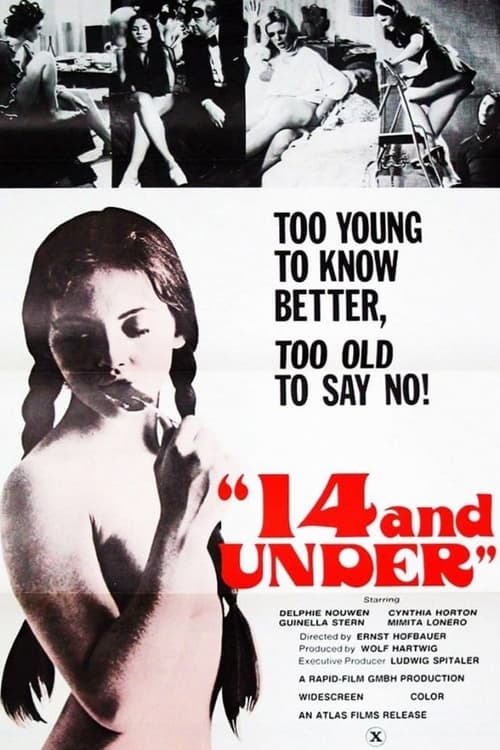
Imagine stepping into a time machine set for the early 1970s, a time of supposed sexual liberation and experimentation. Now, imagine that time machine malfunctions, landing you not in a groovy disco, but in a dimly lit, ethically murky cinematic landscape. That, in essence, is the experience of watching "14 and Under," a 1973 German film that attempts to explore the complexities of adolescence but often stumbles into uncomfortable and problematic territory. This review delves into the film’s narrative, characters, technical aspects, and underlying themes, ultimately assessing its value as a historical artifact and cautionary tale.
Synopsis: A Series of Sketches
"14 and Under" isn't a cohesive narrative with a central plot. Instead, it's an episodic film, a collection of loosely connected vignettes depicting the lives and experiences of teenagers navigating the turbulent waters of puberty. Each segment focuses on different characters and situations, ranging from first crushes and awkward sexual encounters to family conflicts and societal pressures. Think of it as a cinematic scrapbook, filled with snapshots of youth, some charming, others deeply disturbing.
Plot Analysis: A Rollercoaster of Emotions (and Ethical Concerns)
The episodic nature of the film makes a traditional plot summary challenging. One segment might depict a young girl's infatuation with an older boy, exploring the innocent excitement and naiveté of first love. Another could focus on a group of friends experimenting with alcohol and drugs, showcasing the recklessness and vulnerability of youth. However, the film also ventures into more controversial areas, hinting at or outright depicting situations that today would be considered predatory and exploitative. This is where the film's ethical compass spins wildly, making it a difficult watch for modern audiences.
The lack of a central narrative also contributes to a sense of unevenness. Some segments are well-developed and emotionally resonant, while others feel rushed and underdeveloped, serving more as exploitative titillation than meaningful exploration of adolescent issues. The pacing is also inconsistent, with some scenes dragging on while others feel abruptly cut short.
Character Studies: A Spectrum of Adolescence
Given the episodic structure, character development is necessarily limited. We are introduced to a diverse cast of teenagers, each grappling with their own unique challenges and desires. Some characters are relatable and sympathetic, embodying the universal anxieties and insecurities of adolescence. Others are less developed, serving primarily as plot devices to illustrate specific themes or scenarios.
One recurring archetype is the naive and innocent young girl, often portrayed as vulnerable and easily manipulated. This character type is particularly problematic in the context of the film's more controversial segments, raising concerns about the portrayal of underage girls and the potential for exploitation. Conversely, the male characters often fall into predictable stereotypes, ranging from the sensitive and artistic to the aggressive and predatory. While these characters may reflect certain aspects of adolescent male behavior, they lack nuance and complexity.
Direction and Cinematography: A Product of Its Time
The direction of "14 and Under" is typical of exploitation films of the era. The camera often lingers on suggestive imagery, and the editing is often choppy and disjointed. While there are moments of genuine visual artistry, the overall aesthetic is more concerned with sensationalism than with creating a cohesive and visually compelling experience.
The cinematography is similarly unremarkable. The film is shot in a grainy, low-budget style that contributes to its dated feel. While this aesthetic may appeal to some viewers as a nostalgic reminder of the 1970s, it also detracts from the film's overall impact. The lighting is often poor, and the camera angles are frequently uninspired. However, there are occasional moments of effective visual storytelling, particularly in scenes that focus on the characters' emotional states.
Performances: A Mixed Bag
The performances in "14 and Under" are a mixed bag. Many of the actors are inexperienced, and their performances often lack nuance and conviction. However, there are also some standouts, particularly among the younger cast members. Some of the actors manage to convey the vulnerability and confusion of adolescence with surprising authenticity. However, the overall quality of the performances is hampered by the film's exploitative nature and the lack of strong character development.
It's important to note that the actors were likely working under difficult circumstances, given the film's controversial subject matter and low budget. It's also possible that the performances were intentionally exaggerated to cater to the film's target audience. Regardless of the reasons, the unevenness of the performances contributes to the film's overall lack of credibility.
Themes and Messages: A Murky Moral Compass
"14 and Under" attempts to explore a variety of themes related to adolescence, including first love, sexual awakening, rebellion, and the search for identity. However, the film's handling of these themes is often problematic and ethically questionable. The film's portrayal of sexuality is particularly troubling, as it often blurs the lines between innocent exploration and exploitation.
One of the film's central themes is the vulnerability of youth. The characters are often depicted as being easily influenced by their peers, their families, and the media. This vulnerability is exploited by older characters who seek to take advantage of their naiveté and inexperience. The film also touches on the theme of generational conflict, as the teenagers struggle to reconcile their own values and desires with the expectations of their parents and society.
However, the film fails to offer any clear moral guidance or solutions to the problems it depicts. Instead, it often seems to revel in the sensationalism of its subject matter, leaving the audience to draw their own conclusions. This lack of moral clarity is one of the film's most significant flaws.
Comparison to Similar Films: Exploitation vs. Exploration
"14 and Under" is often compared to other exploitation films of the 1970s, particularly those that focus on the experiences of young people. Films like "Schoolgirl Report" (to which it is directly related) and "The Little Girl Who Lives Down the Lane" also explore controversial themes related to adolescence, but often with a greater degree of sensitivity and nuance. While these films are not without their own ethical problems, they tend to be more focused on character development and social commentary than on pure exploitation.
Compared to more mainstream coming-of-age films, such as "American Graffiti" or "The Last Picture Show," "14 and Under" feels significantly less sophisticated and emotionally resonant. These mainstream films offer a more nuanced and complex portrayal of adolescence, exploring the challenges and triumphs of youth with greater depth and empathy. "14 and Under," in contrast, often feels superficial and exploitative, prioritizing sensationalism over substance.
Positive Aspects: A Glimpse into a Bygone Era
Despite its many flaws, "14 and Under" does offer some limited value as a historical artifact. The film provides a glimpse into the attitudes and values of the early 1970s, particularly in relation to sexuality and adolescence. It also serves as a reminder of the dangers of exploitation and the importance of protecting vulnerable young people.
The film's episodic structure, while often uneven, does allow for the exploration of a variety of different perspectives and experiences. Some of the segments are genuinely affecting, capturing the raw emotions and anxieties of adolescence. And, for viewers interested in the history of exploitation cinema, "14 and Under" offers a relatively accessible example of the genre.
Constructive Criticism: A Call for Ethical Filmmaking
The most significant criticism of "14 and Under" is its exploitative nature and its lack of ethical responsibility. The film's portrayal of sexuality is often gratuitous and sensationalistic, and its treatment of underage girls is particularly troubling. The film also lacks a clear moral compass, failing to offer any guidance or solutions to the problems it depicts.
The film's technical aspects are also lacking. The direction is often uninspired, the cinematography is unremarkable, and the performances are uneven. The episodic structure contributes to a sense of disjointedness, and the pacing is often inconsistent.
Ultimately, "14 and Under" serves as a cautionary tale about the dangers of exploitative filmmaking. It highlights the importance of ethical responsibility and the need to protect vulnerable young people from harm. While the film may offer some limited value as a historical artifact, its flaws far outweigh its merits.
Conclusion and Rating
"14 and Under" is a difficult and often uncomfortable film to watch. Its exploitative nature and lack of ethical responsibility make it a problematic viewing experience for modern audiences. While the film may offer some limited value as a historical artifact, its flaws far outweigh its merits. It's a film best approached with extreme caution, and a strong understanding of the historical context in which it was made.
Rating: 3/10