Stop Making Sense - Review
Stop Making Sense: A Deconstructed Concert Experience That Redefines the Genre
Imagine a concert film so revolutionary, so meticulously crafted, that it transcends the typical "captured live performance" and becomes a cinematic experience in its own right. That's Stop Making Sense, Jonathan Demme's groundbreaking documentary of Talking Heads' 1983 tour, a film that doesn't just show you a concert; it deconstructs it, rebuilds it, and elevates it to an art form. Released in 1984, it remains a touchstone, a benchmark against which all other concert films are measured. Prepare to have your expectations not just met, but utterly shattered.
Plot: The Gradual Unveiling of Musical Brilliance
Stop Making Sense doesn't adhere to a traditional narrative structure. Instead, it unfolds as a carefully choreographed unveiling. It begins with David Byrne alone on an empty stage, armed only with an acoustic guitar and a boombox. He introduces "Psycho Killer," launching into its iconic opening riff. One by one, band members join him – Tina Weymouth on bass, Chris Frantz on drums, and Jerry Harrison on guitar and keyboards. Each addition adds another layer to the sonic tapestry, transforming the bare stage into a vibrant, pulsating performance space. This gradual build-up is not random; it's a deliberate act of deconstruction, showcasing the individual components that contribute to the collective Talking Heads sound. As the core members assemble, they are joined by a phenomenal group of backing musicians – Lynn Mabry and Edna Holt on vocals, Steve Scales on percussion, and Bernie Worrell on keyboards. This expanded lineup allows the band to explore the complex rhythms and textures of their music in a way that a traditional four-piece couldn't.
The film progresses through a setlist that spans Talking Heads' career, from early hits like "Once in a Lifetime" to tracks from their then-current album, Speaking in Tongues. However, the film isn't just about the music; it's about the performance. Byrne's evolving stage presence, the band's synchronized movements, and the innovative lighting design all contribute to a mesmerizing visual spectacle. There's no backstage footage, no interviews, no attempt to contextualize the performance within the band's history. Stop Making Sense is purely about the experience of witnessing Talking Heads at their creative peak.
Characters: More Than Just Musicians
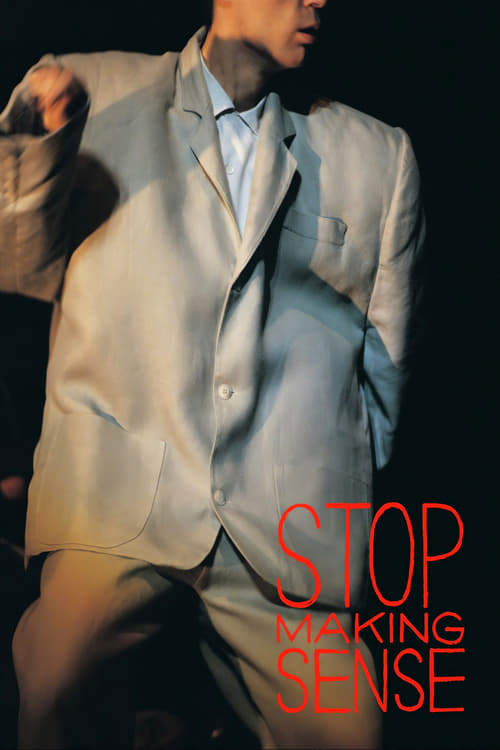
While Stop Making Sense isn't a character-driven narrative in the traditional sense, the film subtly reveals the personalities and dynamics within Talking Heads. David Byrne, of course, is the central figure, his quirky, almost robotic movements and intensely focused gaze captivating the audience. He's not just a frontman; he's a performance artist, using his body and voice to convey the meaning and emotion of the music. His now-iconic "big suit" is more than just a costume; it's a visual metaphor for the band's expanding sound and ambition.
Tina Weymouth's cool, collected bass playing provides a solid foundation for the band's music. Her steady presence and unwavering groove anchor the often-frantic energy of Byrne and the others. Chris Frantz's drumming is both precise and powerful, driving the songs forward with relentless energy. Jerry Harrison's keyboard and guitar work add layers of texture and complexity to the sound, filling in the spaces and creating a rich sonic landscape.
The backing vocalists, Lynn Mabry and Edna Holt, are essential to the film's energy. Their vibrant harmonies and dynamic stage presence add another dimension to the performance. Steve Scales' percussion work is equally crucial, adding intricate rhythms and textures that elevate the music beyond the typical rock concert sound. Bernie Worrell, a keyboard virtuoso in his own right, brings a soulful and funky element to the band's sound.
Ultimately, the "characters" in Stop Making Sense are not just individuals; they're components of a larger artistic machine. Each member contributes their unique skills and personality to create a cohesive and unforgettable performance.
Direction: Demme's Masterful Control
Jonathan Demme's direction in Stop Making Sense is nothing short of masterful. He avoids the typical pitfalls of concert films – shaky camera work, distracting cuts, and an overreliance on close-ups. Instead, he employs a clean, minimalist aesthetic that allows the music and performance to take center stage. His long, fluid shots capture the band's movements and interactions with a sense of intimacy and immediacy.
Demme's decision to film the concert over multiple nights allowed him to meticulously plan each shot and create a cohesive visual narrative. He worked closely with the band to develop the choreography and stage design, ensuring that every element of the performance contributed to the overall artistic vision. He also understood the importance of capturing the energy and excitement of the live performance, allowing the audience to feel like they are right there in the theater.
Unlike many concert films that rely on flashy editing and visual effects, Demme's approach is understated and elegant. He trusts the music and the performance to speak for themselves, allowing the audience to connect with the band on a deeper level. His direction is invisible in the best possible way, serving the music and the performance without ever drawing attention to itself.
Cinematography: A Visual Feast
The cinematography in Stop Making Sense is a crucial element of its success. Jordan Cronenweth, the director of photography, uses a variety of techniques to create a visually stunning and engaging experience. The lighting design is particularly noteworthy, with vibrant colors and dynamic patterns that enhance the mood and energy of the music. The use of silhouettes and shadows adds depth and dimension to the performance, creating a sense of mystery and intrigue.
Cronenweth's camera work is both fluid and precise, capturing the band's movements and interactions with a sense of grace and elegance. He avoids the frenetic editing and shaky camera work that plague many concert films, instead opting for long, sweeping shots that allow the audience to fully appreciate the performance. He also understands the importance of capturing the details, from the sweat dripping down Byrne's face to the intricate patterns on Weymouth's bass.
The film's visual style is clean and minimalist, reflecting the band's own aesthetic. There are no unnecessary distractions or embellishments, allowing the audience to focus on the music and the performance. The cinematography is a perfect complement to Demme's direction, creating a cohesive and unforgettable visual experience.
Performances: Talking Heads at Their Peak
The performances in Stop Making Sense are nothing short of electrifying. Talking Heads are at the peak of their creative powers, delivering a setlist that spans their entire career. David Byrne's stage presence is mesmerizing, his quirky movements and intense gaze captivating the audience. His vocals are powerful and expressive, conveying the emotion and meaning of the songs.
The band's musicianship is equally impressive, with Weymouth's bass providing a solid foundation, Frantz's drumming driving the songs forward, and Harrison's keyboard and guitar work adding layers of texture and complexity. The backing vocalists, Mabry and Holt, are essential to the film's energy, their vibrant harmonies and dynamic stage presence adding another dimension to the performance. Scales' percussion work is equally crucial, adding intricate rhythms and textures that elevate the music beyond the typical rock concert sound. Worrell's keyboard playing brings a soulful and funky element to the band's sound.
The band's chemistry is palpable, their interactions on stage revealing a deep understanding and appreciation for each other's talents. They're not just playing the music; they're living it, breathing it, and sharing it with the audience. The performances in Stop Making Sense are a testament to the power of collaboration and the transformative potential of live music.
Themes and Messages: Deconstruction, Performance, and the Absurd
Stop Making Sense explores several key themes, most notably the deconstruction of performance itself. The film's opening, with Byrne alone on stage, gradually adding band members and instruments, is a visual representation of this deconstruction. It strips away the artifice of the traditional concert experience and reveals the individual components that contribute to the whole. The film also explores the theme of performance as a form of communication. Byrne's movements, gestures, and facial expressions are all carefully choreographed to convey meaning and emotion. He's not just singing the songs; he's embodying them, using his body as a vehicle for expression.
Another key theme is the embrace of the absurd. Talking Heads' music is often characterized by its quirky lyrics, unconventional rhythms, and offbeat sense of humor. Stop Making Sense amplifies these qualities, creating a performance that is both intellectually stimulating and wildly entertaining. The "big suit," for example, is a perfect example of the band's embrace of the absurd. It's a ridiculous and impractical garment, but it also serves as a visual metaphor for the band's expanding sound and ambition.
Ultimately, Stop Making Sense is a celebration of creativity and innovation. It's a film that encourages viewers to think outside the box, to challenge conventional notions of performance, and to embrace the power of music to transform and inspire.
Comparison: A Genre-Defining Masterpiece
Stop Making Sense stands apart from other concert films in several key ways. Unlike many films that simply document a live performance, Stop Making Sense is a carefully crafted cinematic experience. Demme's direction, Cronenweth's cinematography, and the band's performance all work together to create a cohesive and unforgettable visual and auditory experience.
Compared to Demme's other works, Stop Making Sense showcases his ability to capture the energy and excitement of live performance. While he's known for his character-driven narratives, this film demonstrates his mastery of a different genre, highlighting his versatility as a director.
Other concert films, such as The Last Waltz (The Band) or Ziggy Stardust and the Spiders from Mars (David Bowie), offer glimpses into specific moments in musical history, but Stop Making Sense transcends its temporal context. It's not just a document of a Talking Heads concert; it's a timeless work of art that continues to inspire and influence musicians and filmmakers today.
Positive Aspects: A Symphony of Sight and Sound
Stop Making Sense is a triumph on every level. The music is brilliant, the performances are electrifying, the direction is masterful, and the cinematography is stunning. The film's minimalist aesthetic allows the music and performance to take center stage, creating a truly immersive and unforgettable experience. The band's chemistry is palpable, their interactions on stage revealing a deep understanding and appreciation for each other's talents.
The film's innovative use of lighting, choreography, and stage design adds another layer of depth and complexity to the performance. The "big suit" is a stroke of genius, a visual metaphor for the band's expanding sound and ambition. The gradual build-up of the performance, from Byrne alone on stage to the full band in all its glory, is a brilliant act of deconstruction and reconstruction.
Stop Making Sense is a film that rewards repeated viewings. Each time you watch it, you discover new details and nuances that you missed before. It's a testament to the power of collaboration and the transformative potential of live music.
Constructive Criticism: A Few Minor Quibbles
While Stop Making Sense is a near-perfect film, there are a few minor quibbles worth mentioning. Some viewers might find the lack of contextual information – no interviews, no backstage footage – frustrating. While the film's focus on the performance is its strength, a little more insight into the band's creative process or the meaning behind the songs might have been appreciated.
Additionally, the film's minimalist aesthetic might not appeal to all viewers. Some might find it too stark or too detached. However, these are minor criticisms, and they do little to detract from the overall brilliance of the film.
Conclusion: A Timeless Masterpiece
Stop Making Sense is more than just a concert film; it's a cinematic masterpiece. Jonathan Demme's direction, Jordan Cronenweth's cinematography, and Talking Heads' electrifying performance combine to create a truly unforgettable experience. The film's innovative use of lighting, choreography, and stage design elevates it beyond the typical concert film, transforming it into a work of art. Stop Making Sense is a testament to the power of collaboration, the transformative potential of live music, and the enduring legacy of Talking Heads. It's a film that deserves to be seen and appreciated by anyone who loves music, film, or simply a truly great work of art.