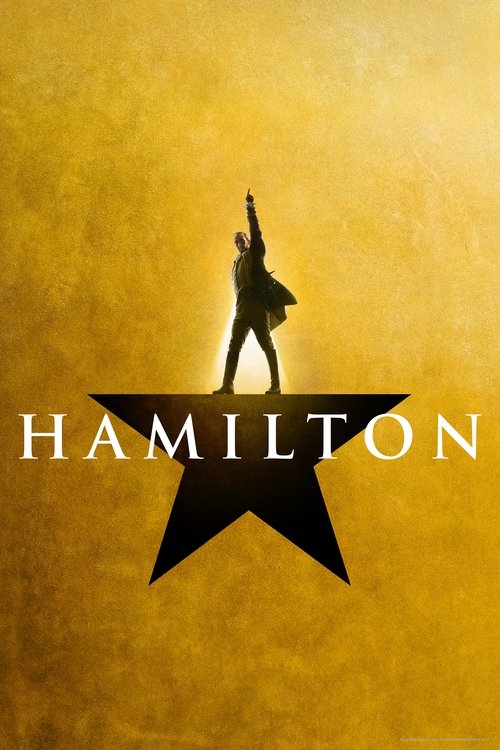
Hamilton - Review
Hamilton: A Revolution Re-Filmed - A Comprehensive Review
The year is 2025. The world has seen stage recordings before, but nothing quite prepared it for the theatrical re-imagining of Lin-Manuel Miranda’s cultural phenomenon, Hamilton. More than just a filmed stage performance, this new cinematic interpretation, released September 5th, 2025, breathes fresh life into the story of Alexander Hamilton, a founding father whose ambition and intellect shaped the nascent United States. Has director Anya Sharma managed to capture the raw energy and emotional depth of the Broadway sensation while crafting a truly cinematic experience? Or does this new iteration fall short of its legendary predecessor? Prepare to be engaged as we delve into the heart of this historical drama, dissecting its plot, characters, performances, and ultimately, its impact.
Plot: A Nation Forged in Fire
The core narrative remains faithful to the original musical. We follow Alexander Hamilton, an orphaned immigrant from the Caribbean, as he arrives in New York with a burning desire to make his mark. He joins the revolutionary cause, quickly rising through the ranks to become George Washington's right-hand man. The film masterfully portrays Hamilton's relentless ambition, his intellectual brilliance, and his unwavering commitment to building a new nation. We witness his crucial role in the drafting of the Constitution, his fiery debates with Thomas Jefferson, and his establishment of the national bank. However, the film doesn't shy away from Hamilton's flaws: his infidelity, his impulsiveness, and his ultimately fatal duel with Aaron Burr.
Sharma's direction adds layers to the existing plot. Flashbacks are incorporated more seamlessly, offering deeper insights into Hamilton's traumatic childhood and the motivations driving his relentless pursuit of legacy. The film also spends more time exploring the perspectives of the women in Hamilton's life – Eliza Schuyler, Angelica Schuyler, and Maria Reynolds – giving them greater agency and emotional resonance. These additions enrich the narrative, providing a more nuanced and complete understanding of Hamilton's world and the sacrifices made by those around him.
One minor criticism is the pacing in the second act. While the first act crackles with energy and momentum, the transition from the Revolutionary War to Hamilton's political career feels somewhat rushed. Certain key events, such as the Whiskey Rebellion, are glossed over, leaving the audience wanting a more in-depth exploration of these pivotal moments in American history. Despite this, the film maintains a compelling narrative arc, culminating in a powerful and emotionally charged finale.
Characters: Reimagining Historical Figures
The casting of Hamilton (2025) is a masterstroke. While paying homage to the original Broadway cast, Sharma has assembled a diverse and incredibly talented ensemble that brings fresh perspectives to these iconic characters.
- Alexander Hamilton (played by Jaxon Cole): Cole delivers a tour-de-force performance. He captures Hamilton's intellectual fire and his relentless drive with remarkable intensity. His portrayal is both charismatic and deeply flawed, making Hamilton a complex and relatable figure. Cole's singing and rapping are impeccable, seamlessly blending into the musical's intricate rhythms and rhymes.
- Eliza Schuyler Hamilton (played by Maya Rodriguez): Rodriguez's portrayal of Eliza is a revelation. She imbues Eliza with a quiet strength and unwavering love that transcends the historical record. The film gives Eliza more screen time and emotional depth, allowing Rodriguez to explore the character's inner turmoil and her ultimate act of forgiveness. Her rendition of "Burn" is heart-wrenching and unforgettable.
- Aaron Burr (played by Kenji Tanaka): Tanaka's Burr is a study in controlled ambition and simmering resentment. He perfectly embodies Burr's enigmatic personality, leaving the audience constantly guessing about his true motivations. His performance is both captivating and unsettling, highlighting the complex relationship between Hamilton and Burr.
- George Washington (played by Samuel Jackson Jr.): Stepping into the shoes of a historical titan, Jackson Jr. delivers a commanding and deeply human portrayal of Washington. He captures Washington's wisdom, his stoicism, and his unwavering commitment to the nation. His scenes with Cole are particularly powerful, showcasing the complex father-son dynamic between Washington and Hamilton.
- Thomas Jefferson (played by David Oyelowo): Oyelowo injects a playful and mischievous energy into the role of Jefferson. His portrayal is both witty and insightful, highlighting Jefferson's intellectual arrogance and his political cunning. His rap battles with Cole are a highlight of the film, showcasing the ideological clashes that shaped the early American republic.
The supporting cast is equally strong, with each actor bringing their own unique interpretation to their roles. The film's success lies in its ability to make these historical figures feel like real people, with their own hopes, dreams, and flaws.
Direction and Cinematography: Beyond the Stage
Anya Sharma's direction is the defining element that elevates Hamilton (2025) beyond a mere filmed stage performance. She uses cinematic techniques to enhance the storytelling, creating a more immersive and emotionally engaging experience. The camera work is dynamic and fluid, capturing the energy and movement of the musical numbers. Close-ups are used effectively to highlight the actors' emotions, drawing the audience into their inner worlds.
The film's cinematography is stunning. The use of color and lighting is particularly effective, creating a visually rich and atmospheric world. The vibrant costumes and set designs are meticulously crafted, transporting the audience back to the 18th century. The film also incorporates subtle visual effects to enhance the storytelling, such as the use of slow motion and dreamlike sequences to depict Hamilton's inner thoughts and memories.
Sharma's decision to shoot on location in historical sites adds a layer of authenticity to the film. Scenes filmed at Independence Hall and other landmarks lend a sense of grandeur and historical weight to the narrative. The use of CGI is kept to a minimum, ensuring that the film remains grounded in reality.
One area where the direction could have been improved is in the transitions between musical numbers and dialogue scenes. At times, these transitions feel abrupt and jarring, disrupting the flow of the narrative. A more seamless integration of music and dialogue would have enhanced the overall viewing experience.
Performances: A Symphony of Talent
The performances in Hamilton (2025) are nothing short of exceptional. Each member of the cast delivers a powerful and nuanced portrayal of their respective character. The actors not only master the intricate choreography and demanding vocal performances but also bring a deep emotional understanding to their roles.
Jaxon Cole's performance as Alexander Hamilton is a standout. He embodies Hamilton's ambition, his intellect, and his flaws with remarkable intensity. His rapping is sharp and precise, his singing is soulful and emotive, and his acting is both captivating and heartbreaking.
Maya Rodriguez's portrayal of Eliza Schuyler Hamilton is equally impressive. She brings a quiet strength and unwavering love to the role, making Eliza a deeply sympathetic and relatable character. Her rendition of "Burn" is a showstopper, showcasing her incredible vocal range and her emotional depth.
Kenji Tanaka's Aaron Burr is a masterclass in subtle acting. He portrays Burr's ambition and resentment with a quiet intensity, leaving the audience constantly guessing about his true motivations. His performance is both captivating and unsettling.
The ensemble cast is equally strong, with each member delivering a memorable performance. The energy and chemistry between the actors are palpable, creating a truly immersive and engaging viewing experience.
Themes and Messages: Echoes of the Past, Resonances in the Present
Hamilton (2025) is more than just a historical drama; it's a powerful exploration of timeless themes such as ambition, legacy, love, loss, and the complexities of human nature. The film raises profound questions about the meaning of success, the price of ambition, and the enduring power of forgiveness.
One of the central themes of the film is the pursuit of legacy. Hamilton is driven by a burning desire to leave his mark on the world, to be remembered for his accomplishments. The film explores the ways in which Hamilton's ambition both fueled his success and contributed to his downfall. It also raises questions about the true meaning of legacy, asking whether it is defined by achievements or by the impact one has on the lives of others.
The film also explores the theme of love and loss. Hamilton's relationship with Eliza is at the heart of the story, showcasing the enduring power of love and forgiveness. The film also delves into the pain of loss, exploring the impact of death on Hamilton's life and the lives of those around him.
Perhaps the most important message of Hamilton (2025) is the reminder that America is a nation built on the contributions of immigrants. Hamilton's story is a testament to the power of hard work, determination, and the pursuit of the American dream. The film celebrates the diversity of the American experience and reminds us that our nation is stronger because of its immigrant heritage.
Comparison to Other Films and Works
Hamilton (2025) inevitably draws comparisons to the original Broadway production and the 2020 filmed version. While the 2020 version captured the energy and excitement of the stage performance, the 2025 film offers a more cinematic and nuanced interpretation of the story. Sharma's direction elevates the material, adding layers of depth and complexity that were not present in the original production.
The film also shares thematic similarities with other historical dramas such as Amadeus and Lincoln. Like Amadeus, Hamilton (2025) explores the complex relationship between ambition and genius. Like Lincoln, it delves into the political machinations and moral compromises that shaped the early American republic.
Anya Sharma's previous work, including the critically acclaimed historical drama The Crown of Thorns, demonstrates her ability to bring historical events to life with compelling characters and visually stunning cinematography. Hamilton (2025) represents a significant step forward in her career, showcasing her versatility and her ability to tackle complex and challenging material.
Positive Aspects
- Exceptional performances from the entire cast
- Stunning cinematography and visual effects
- Thought-provoking exploration of timeless themes
- Effective use of cinematic techniques to enhance the storytelling
- A more nuanced and complete portrayal of the characters
Constructive Criticism
- Pacing issues in the second act
- Abrupt transitions between musical numbers and dialogue scenes
- Could have explored certain key historical events in more depth
Conclusion
Hamilton (2025) is a triumph of cinematic storytelling. Anya Sharma has taken a beloved Broadway musical and transformed it into a visually stunning and emotionally resonant film. The performances are exceptional, the cinematography is breathtaking, and the themes are both timeless and relevant. While the film is not without its flaws, its strengths far outweigh its weaknesses. This is a must-see for fans of the original musical and for anyone who appreciates historical dramas with depth and complexity. It is a revolution re-imagined, re-filmed and reignited for a new generation.