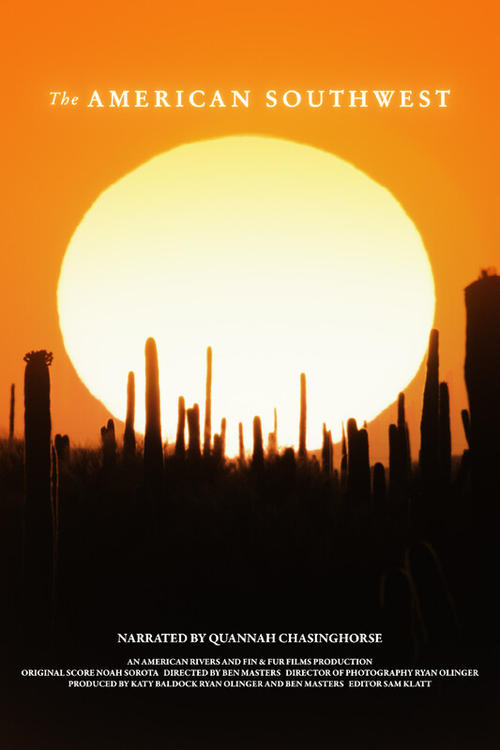
The American Southwest - Review
A River Runs Through It: A Review of "The American Southwest"
Prepare to be mesmerized. "The American Southwest," released on September 5th, 2025, isn't just another nature documentary; it's a cinematic love letter to a land both stunning and fragile, a powerful elegy sung for a river in crisis, and a hopeful anthem for a future where humanity and nature can coexist. Narrated with quiet authority and profound respect by indigenous environmentalist Quannah Chasinghorse, this film plunges viewers into the heart of the Colorado River basin, revealing its breathtaking beauty while unflinchingly confronting the ecological challenges it faces. But does this ambitious documentary succeed in its goals? Let's dive in.
Plot and Structure: A Journey Downstream
The film eschews a traditional narrative arc, instead opting for a journey down the Colorado River, acting as our guide through the diverse ecosystems it sustains. From the snow-capped peaks where the river originates to the arid deserts it traverses before reaching (or rather, *failing* to reach) the Gulf of California, each segment focuses on a specific region and its inhabitants. The narrative seamlessly weaves together stunning wildlife footage with insightful commentary on the human impact on the river and its surrounding environment.
We witness the intricate dance of life in beaver-created wetlands, marvel at the majestic flight of condors resurrected from the brink of extinction, and tantalizingly glimpse the possibility of jaguars reclaiming their ancestral territory. These vignettes are interspersed with stark reminders of the river's plight: the skeletal remains of once-flooded landscapes, the dwindling water levels in Lake Mead, and the parched earth where the river once flowed freely. This juxtaposition creates a powerful emotional undercurrent, driving home the urgency of the film's message.
While the structure is largely chronological, the filmmakers occasionally employ flashbacks and flashforwards to illustrate the historical context of the river's management and to project potential future scenarios. This technique adds depth and complexity to the narrative, preventing it from becoming a simple travelogue.
Characters: More Than Just Wildlife
While the film doesn't feature human characters in the traditional sense, the ecosystems themselves become characters, each with its own distinct personality and challenges. The beaver, for example, is portrayed not just as a dam-building rodent but as a keystone species whose actions have a profound impact on the entire ecosystem. The condor represents resilience and hope, a testament to the power of conservation efforts. And the jaguar, a phantom presence, embodies the potential for ecological restoration.
Quannah Chasinghorse's narration is crucial in humanizing the story. Her voice, imbued with both passion and sorrow, connects the viewer to the land and its inhabitants on a deeply emotional level. She doesn't just narrate facts; she shares stories, perspectives, and a deep understanding of the interconnectedness of all living things. Her presence elevates the film beyond a simple nature documentary, transforming it into a powerful call to action.
Furthermore, the film subtly features the "characters" of human impact. Through visuals of dams, diversions, and dried riverbeds, the consequences of past and present actions are starkly portrayed. These visual "characters" act as silent antagonists, fueling the need for change.
Direction and Cinematography: A Visual Masterpiece
The direction of "The American Southwest" is nothing short of masterful. The filmmakers have clearly spent years documenting the region, capturing breathtaking footage that showcases the beauty and diversity of the landscape. The use of time-lapse photography is particularly effective, revealing the slow but relentless changes occurring over time. From the dramatic erosion of canyon walls to the gradual drying up of wetlands, these sequences are both visually stunning and deeply unsettling.
The cinematography is equally impressive. The film employs a wide range of techniques, from sweeping aerial shots that capture the vastness of the landscape to intimate close-ups that reveal the intricate details of the wildlife. The use of natural light is particularly noteworthy, creating a sense of authenticity and immediacy. The camera work is fluid and dynamic, drawing the viewer into the heart of the action. The underwater sequences, showcasing the hidden world beneath the Colorado River, are especially captivating.
The film wisely avoids overly sentimental or anthropomorphic portrayals of the animals. Instead, it presents them in their natural habitat, behaving according to their instincts. This approach allows the viewer to connect with the animals on a more profound level, fostering a sense of respect and empathy.
Performances: The Power of Narration
While "The American Southwest" doesn't feature traditional actors, Quannah Chasinghorse's narration is a performance in itself. Her voice is both authoritative and compassionate, conveying a deep understanding of the subject matter. She speaks with the conviction of someone who has a personal stake in the future of the region, lending her words a weight and authenticity that is impossible to ignore.
Chasinghorse's narration is not just informative; it's also deeply moving. She shares stories of her ancestors, their connection to the land, and the impact that the river's decline has had on their way of life. Her words are a powerful reminder that the environmental crisis is not just an abstract problem; it's a human tragedy with real consequences for communities and cultures.
Her subtle inflections and pauses add layers of meaning to the visuals, creating a powerful synergy between the words and the images. It's a performance that elevates the film from a simple documentary to a powerful work of art.
Themes and Messages: A Call to Action
The central theme of "The American Southwest" is the delicate balance between human needs and environmental sustainability. The film argues that the current management of the Colorado River is unsustainable, prioritizing short-term economic gains over the long-term health of the ecosystem. It highlights the need for a more holistic approach that takes into account the needs of all stakeholders, including the wildlife, the indigenous communities, and future generations.
The film also explores the theme of resilience. Despite the immense challenges facing the region, there are signs of hope. The recovery of the California condor is a testament to the power of conservation efforts. The beaver's ability to create wetlands demonstrates the potential for ecological restoration. And the potential return of the jaguar symbolizes the possibility of a future where wildlife can thrive once again.
Ultimately, "The American Southwest" is a call to action. It urges viewers to become more informed about the environmental challenges facing the region and to support policies that promote sustainable water management and wildlife conservation. It reminds us that we all have a role to play in protecting this precious resource for future generations.
Comparisons: Echoes of the Past, Visions of the Future
"The American Southwest" stands on the shoulders of giants in the nature documentary genre. It shares thematic similarities with films like "Winged Migration" (2001), which explored the migratory patterns of birds and the threats they face, and "Oceans" (2009), which delved into the biodiversity and fragility of the world's oceans. Like those films, "The American Southwest" uses stunning visuals and compelling storytelling to raise awareness about environmental issues.
However, "The American Southwest" distinguishes itself through its focus on a specific region and its emphasis on the human impact on the environment. It also benefits from Quannah Chasinghorse's narration, which provides a unique indigenous perspective that is often lacking in mainstream nature documentaries. In this regard, it echoes the spirit of films like "Kanehsatake: 270 Years of Resistance" (1993), which offered a powerful indigenous perspective on a land dispute in Canada.
Compared to previous works focused on the Colorado River, such as Marc Reisner's seminal book "Cadillac Desert," the film offers a more visually engaging and emotionally resonant experience. While Reisner's book provides a detailed historical and political analysis of the river's management, "The American Southwest" brings the story to life through breathtaking imagery and compelling storytelling.
Strengths and Weaknesses: A Balanced Perspective
Strengths:
- Stunning Cinematography: The visuals are simply breathtaking, capturing the beauty and grandeur of the American Southwest in all its glory.
- Powerful Narration: Quannah Chasinghorse's voice is both authoritative and compassionate, lending the film a unique perspective and emotional depth.
- Compelling Storytelling: The film seamlessly weaves together wildlife footage, historical context, and environmental commentary, creating a narrative that is both informative and engaging.
- Important Message: The film raises awareness about the critical environmental challenges facing the Colorado River basin and urges viewers to take action.
- Effective Use of Music: The score complements the visuals perfectly, enhancing the emotional impact of the film.
Weaknesses:
- Pacing: At times, the film's pacing can feel a bit slow, particularly in the middle section. A slightly tighter edit could have improved the overall flow.
- Limited Focus on Solutions: While the film effectively highlights the problems facing the Colorado River, it could have devoted more time to exploring potential solutions. While it touches on some, a deeper dive into specific strategies and policy recommendations would have strengthened its impact.
- Potential for Overwhelm: The sheer scale of the environmental challenges presented in the film could leave some viewers feeling overwhelmed and discouraged. A more optimistic ending, highlighting the progress being made in certain areas, could have provided a greater sense of hope.
Conclusion: A Must-See Documentary
"The American Southwest" is a powerful and moving documentary that deserves to be seen by a wide audience. It's a visually stunning and emotionally resonant film that raises awareness about the critical environmental challenges facing the Colorado River basin. While it may not offer easy answers, it provides a valuable platform for dialogue and inspires viewers to take action. Despite some minor pacing issues and a limited focus on solutions, the film's strengths far outweigh its weaknesses. It's a must-see for anyone who cares about the future of the American Southwest and the planet as a whole.
Rating: 9/10