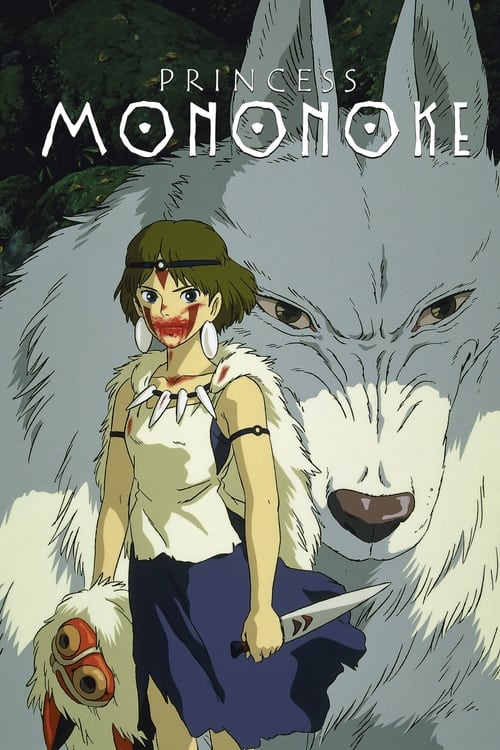
Princess Mononoke - Review
Princess Mononoke: A Timeless Epic of Nature, Humanity, and the Quest for Balance
In 1997, Hayao Miyazaki, the maestro of Japanese animation, gifted the world with Princess Mononoke, a film that transcended the boundaries of the animated medium. More than just a children's story, it's a profound and visually stunning exploration of humanity's relationship with nature, the complexities of war, and the enduring struggle for balance. This isn't just a movie; it's an experience that lingers in the mind long after the credits roll, prompting contemplation and sparking dialogue about our place in the world. From its breathtaking animation to its nuanced characters and powerful themes, Princess Mononoke stands as a testament to Miyazaki's genius and a landmark achievement in cinematic history.
Plot: A Journey of Curse, Conflict, and Compromise
The story unfolds in late Muromachi period Japan, where Ashitaka, a young prince of the Emishi clan, is forced to defend his village from a rampaging boar demon. In his defense, he kills the beast, but not before being cursed by its decaying, hate-filled tendrils. The curse grants him superhuman strength but also threatens to consume him with rage and ultimately lead to his death. Seeking a cure, Ashitaka embarks on a perilous journey westward, guided by the wisdom of his village elder.
His travels lead him to Irontown, a fortified settlement led by the ambitious and enigmatic Lady Eboshi. Eboshi is determined to exploit the surrounding forest's resources to build a thriving community for outcasts and lepers, providing them with purpose and a sense of belonging. However, her actions are met with fierce resistance from the forest gods, particularly the wolf goddess Moro and her human adopted daughter, San, who is known as Princess Mononoke.
Ashitaka finds himself caught between these warring factions, recognizing the validity of both sides. He sees the suffering of Eboshi's people and admires her progressive ideals, but he also understands the sacredness of the forest and the devastating consequences of its destruction. He becomes a mediator, striving to find a peaceful resolution to the conflict, a balance between human progress and environmental preservation. The plot is not a simple good versus evil narrative; it's a complex tapestry of motivations, desires, and consequences, where characters are driven by their own needs and beliefs, making the conflict all the more compelling.
Characters: Complexities and Contradictions
Miyazaki excels at crafting characters that are multifaceted and morally ambiguous. They are not simply heroes or villains but individuals driven by their own unique circumstances and motivations. This complexity adds depth and realism to the story, making it all the more engaging.
Ashitaka: The Mediator
Ashitaka is the embodiment of compassion and reason. He is a skilled warrior, but his primary goal is not to fight but to find a peaceful solution to the conflict. He possesses a strong moral compass and is willing to risk his own life to protect both humans and the forest. His curse, while a source of pain and suffering, also grants him a unique perspective, allowing him to see the world from both sides. He is not without his flaws; he struggles with his own mortality and the burden of his responsibility. However, his unwavering commitment to justice and his empathy for others make him a truly compelling protagonist.
San (Princess Mononoke): The Protector
San, raised by wolves and fiercely loyal to the forest, is a formidable warrior and a symbol of nature's untamed power. She despises humans for their destructive tendencies and sees them as a threat to the delicate balance of the ecosystem. Her initial interactions with Ashitaka are marked by distrust and hostility, but as she witnesses his genuine desire to protect the forest, she begins to question her own beliefs. She is torn between her loyalty to the forest and her growing understanding of humanity, a conflict that adds depth to her character.
Lady Eboshi: The Visionary
Lady Eboshi is perhaps the most complex and fascinating character in the film. She is a ruthless industrialist who is determined to exploit the forest's resources to build a prosperous community for her people. She provides shelter and opportunity for outcasts and lepers, offering them a sense of purpose and belonging that they would not find elsewhere. While her actions are destructive to the environment, her motivations are not purely selfish. She genuinely believes that she is improving the lives of her people, even if it comes at the expense of the forest. Her ambition and her progressive ideals clash with her destructive methods, making her a morally ambiguous and ultimately tragic figure.
The Forest Spirit (Shishigami): The Embodiment of Life and Death
The Forest Spirit, also known as the Shishigami, is a powerful and enigmatic being that embodies the life and death cycle of nature. During the day, it takes the form of a deer-like creature with a human face, and at night, it transforms into a giant, glowing Nightwalker. Its presence is both benevolent and terrifying, representing the raw power and unpredictability of nature. The Shishigami is not inherently good or evil; it simply exists, maintaining the balance of the ecosystem. Its death and rebirth are central to the film's themes of destruction and renewal.
Direction: Miyazaki's Masterful Vision
Hayao Miyazaki's direction is nothing short of masterful. He seamlessly blends epic storytelling with intimate character moments, creating a film that is both grand in scope and deeply personal. His attention to detail is remarkable, from the intricate designs of the characters and creatures to the breathtaking landscapes of the forest. His pacing is deliberate, allowing the story to unfold naturally and giving the audience time to connect with the characters and their struggles. He uses animation to its fullest potential, creating visuals that are both stunning and emotionally resonant. Miyazaki's ability to convey complex themes and ideas through visual storytelling is a testament to his genius as a filmmaker.
Cinematography: A Visual Feast
Princess Mononoke is a visual masterpiece. The animation is breathtaking, with meticulous attention paid to every detail. The backgrounds are lush and vibrant, capturing the beauty and majesty of the Japanese landscape. The character designs are unique and expressive, bringing the characters to life with remarkable clarity. The action sequences are dynamic and exciting, showcasing the skill and artistry of the animators. The film's color palette is rich and varied, creating a visually stunning and immersive experience. The use of light and shadow is particularly effective, creating a sense of depth and atmosphere. The cinematography is not just visually appealing; it also serves to enhance the story and deepen the emotional impact of the film.
Performances: Bringing the Characters to Life
The voice acting in Princess Mononoke is exceptional, both in the original Japanese version and the English dub. Each actor brings their character to life with nuance and emotion, enhancing the overall impact of the story.
In the English dub, Billy Crudup delivers a nuanced and empathetic performance as Ashitaka, capturing his compassion and his internal struggles. Claire Danes embodies San's fierce independence and her conflicted emotions with remarkable conviction. Minnie Driver brings a complexity and depth to Lady Eboshi, portraying her as a strong and ambitious leader with a hidden vulnerability. The supporting cast is equally strong, adding depth and richness to the world of the film. The voice acting is not just a technical exercise; it is an integral part of the storytelling, bringing the characters to life and making them relatable to the audience.
Themes and Messages: A Call for Balance and Understanding
Princess Mononoke is a film rich in themes and messages that resonate deeply with contemporary audiences. At its core, it is a story about the complex relationship between humanity and nature, exploring the consequences of unchecked industrialization and the importance of environmental preservation.
Environmentalism: A Plea for Harmony
The film's environmental message is unmistakable. It depicts the devastating impact of human activity on the natural world, showing the destruction of the forest and the suffering of the animals that inhabit it. However, it does not present a simplistic view of humanity as inherently evil. Instead, it acknowledges the needs and desires of people and the challenges they face in trying to survive and thrive. The film argues for a more balanced approach, one that recognizes the importance of both human progress and environmental sustainability.
The Nature of Conflict: Beyond Good and Evil
Princess Mononoke challenges the traditional notion of good versus evil. It presents a nuanced view of conflict, showing that both sides have valid reasons for their actions. Lady Eboshi is not simply a villain; she is a complex character driven by a desire to improve the lives of her people. San is not simply a hero; she is a fierce protector of the forest who is blinded by her hatred of humans. The film suggests that conflict arises from a lack of understanding and empathy and that true resolution can only be achieved through dialogue and compromise.
The Cycle of Life and Death: Embracing Impermanence
The film also explores the themes of life, death, and rebirth. The Forest Spirit embodies the cyclical nature of existence, representing the constant flow of energy and the interconnectedness of all things. The destruction of the forest is not simply a tragedy; it is also an opportunity for renewal and regeneration. The film suggests that death is a natural part of life and that it is necessary for new growth to occur.
Finding Balance: A Difficult but Necessary Path
Ultimately, Princess Mononoke is a call for balance – a balance between humanity and nature, between progress and preservation, and between opposing viewpoints. The film does not offer easy answers or simplistic solutions. It acknowledges the complexities of the challenges we face and suggests that finding a sustainable path forward will require empathy, understanding, and a willingness to compromise.
Comparison to Other Films/Works
Princess Mononoke shares thematic similarities with other works by Hayao Miyazaki, particularly Nausicaä of the Valley of the Wind. Both films explore the relationship between humanity and nature, depicting the consequences of environmental destruction and the importance of finding a sustainable path forward. However, Princess Mononoke is arguably more complex and nuanced in its portrayal of the conflict, presenting a more morally ambiguous view of both sides.
In terms of visual style and epic scope, Princess Mononoke can be compared to other animated films such as Akira and Ghost in the Shell. However, Miyazaki's film is unique in its focus on environmental themes and its blend of fantasy and historical elements. It also stands apart from many Western animated films in its willingness to tackle complex and challenging issues, avoiding simplistic narratives and offering a more mature and thought-provoking experience.
Compared to other films about environmentalism, like "Avatar" or "Ferngully: The Last Rainforest," "Princess Mononoke" offers a far more nuanced and less preachy perspective. While those films often paint a clear "good vs. evil" picture, Mononoke presents both sides of the conflict with valid arguments and motivations, making the viewer consider the complexities of the issue rather than simply choosing a side.
Positive Aspects: A Masterpiece of Animation
Princess Mononoke is a masterpiece of animation, showcasing Miyazaki's unparalleled skill and vision. The animation is stunning, the characters are complex and engaging, and the story is both epic and deeply personal. The film's themes are timeless and relevant, prompting reflection on our relationship with nature and the importance of finding balance. The voice acting is exceptional, and the soundtrack is hauntingly beautiful. Princess Mononoke is a film that can be enjoyed by audiences of all ages and backgrounds, and it is a testament to the power of animation as a medium for storytelling.
Constructive Criticism: Minor Imperfections in a Grand Tapestry
While Princess Mononoke is a near-perfect film, there are a few minor criticisms that can be made. Some viewers may find the pacing to be slow at times, particularly in the middle section of the film. The sheer number of characters and plot threads can also be overwhelming for some, requiring multiple viewings to fully appreciate the complexities of the story. Additionally, the film's ending, while satisfying, may feel somewhat ambiguous, leaving some questions unanswered. However, these minor imperfections are easily overshadowed by the film's many strengths, and they do not detract from its overall impact.
The English dub, while generally excellent, does contain a few line deliveries that feel slightly off compared to the original Japanese. This is a minor quibble, but purists may prefer the original Japanese version with subtitles. Furthermore, while the film's ambiguity is a strength in many ways, it could leave some viewers feeling unresolved, particularly regarding the long-term impact of the ending on the relationship between humans and nature.
Conclusion: A Timeless Classic
Princess Mononoke is more than just an animated film; it is a cinematic masterpiece that explores profound themes and challenges our perceptions of the world. It is a visually stunning and emotionally resonant experience that will stay with you long after the credits roll. Hayao Miyazaki has created a timeless classic that will continue to inspire and provoke thought for generations to come. It's a must-watch for anyone who appreciates great storytelling, stunning animation, and films that dare to ask difficult questions. Princess Mononoke stands as a powerful reminder of the beauty and fragility of our planet and the importance of finding a balance between human progress and environmental preservation.