Central Station - Review
Central Station: A Journey of Redemption and Unexpected Connection
In the bustling heart of Rio de Janeiro's Central Station, amidst the cacophony of hurried footsteps and echoing announcements, lies a story of profound human connection, loss, and the arduous journey towards redemption. Walter Salles's Central Station, released in 1998, is more than just a film; it's a visceral experience, a poignant exploration of the human spirit's capacity for change and the enduring power of hope in the face of despair. This isn't a feel-good movie in the traditional sense. It's a raw, unflinching look at poverty, abandonment, and the often-difficult path to forgiveness, told with a delicate hand and breathtaking realism. Prepare to be moved, challenged, and ultimately, changed by this cinematic masterpiece.
Plot: A Road Trip Fueled by Grief and Hope
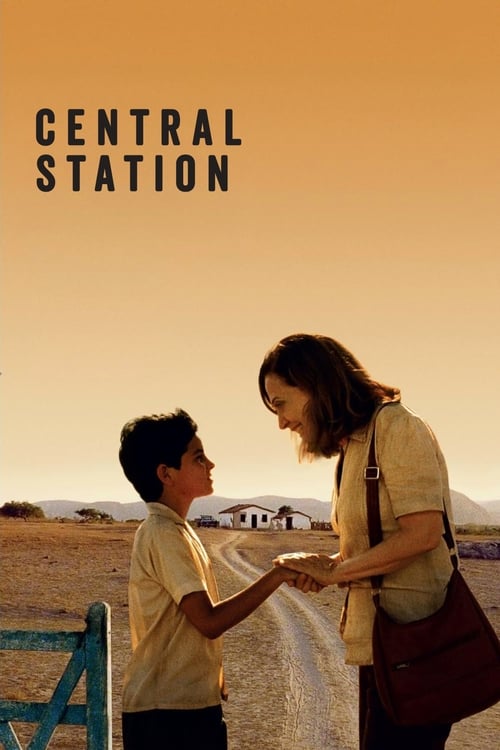
The narrative centers around Dora (Fernanda Montenegro), a cynical and hardened former school teacher who ekes out a living writing letters for illiterate people at Rio de Janeiro's Central Station. She’s world-weary, disillusioned, and seemingly devoid of empathy. Her routine is disrupted when Ana, a single mother, brings her young son Josué (Vinícius de Oliveira) to write a letter to his absent father, who Ana hopes will one day return. Tragedy strikes when Ana is killed in a bus accident right outside the station, leaving Josué orphaned and utterly alone. Initially, Dora's instinct is to exploit the situation, selling Josué to a corrupt adoption agency. However, a flicker of conscience, perhaps sparked by the boy's unwavering hope and the stark reality of his abandonment, leads her to a change of heart.
Driven by a mixture of guilt and a nascent sense of responsibility, Dora embarks on a perilous journey with Josué to find his father, Jesuino, in the remote and impoverished Northeast of Brazil. This journey is not merely a physical one; it's a transformative odyssey for both characters. As they navigate the harsh landscapes and encounter a cast of colorful and often desperate individuals, they are forced to confront their own past traumas and learn to trust each other. The plot unfolds with a deliberate pace, allowing the audience to fully absorb the emotional weight of each scene and witness the gradual thawing of Dora's hardened exterior.
The film doesn't shy away from depicting the realities of poverty and social inequality in Brazil. The stark contrast between the bustling city and the desolate backlands underscores the desperation and lack of opportunity that many Brazilians face. This backdrop adds another layer of complexity to the narrative, highlighting the resilience and resourcefulness of the people who inhabit these forgotten corners of the country.
Characters: A Study in Contrasts and Transformation
Central Station thrives on the strength of its characters, particularly the complex and nuanced portrayal of Dora and Josué. Their relationship, initially marked by suspicion and resentment, gradually evolves into a deep and abiding bond.
Dora (Fernanda Montenegro)
Dora is the heart and soul of the film. Fernanda Montenegro delivers a tour-de-force performance, imbuing Dora with a depth and complexity that is both captivating and heartbreaking. Initially, she is presented as a bitter and cynical woman, disillusioned by life and seemingly incapable of empathy. Her interactions with the people who come to her to write letters are transactional and devoid of genuine connection. She filters and edits their words, often adding her own sarcastic commentary. The death of Ana and the subsequent responsibility for Josué force her to confront her own moral failings and begin a journey of self-discovery. As she travels with Josué, she slowly sheds her hardened exterior, revealing a vulnerability and compassion that she had long suppressed. Montenegro's performance is subtle and nuanced, conveying Dora's internal struggles with remarkable precision. She earned a well-deserved Academy Award nomination for her portrayal of this unforgettable character.
Josué (Vinícius de Oliveira)
Vinícius de Oliveira, discovered by Walter Salles while shining shoes at a Rio de Janeiro airport, delivers a remarkably natural and authentic performance as Josué. He embodies the innocence and resilience of a child who has experienced profound loss. Despite his grief, Josué maintains a unwavering hope that he will find his father. He is initially wary of Dora, but as they travel together, he gradually learns to trust her and see her as a surrogate mother figure. De Oliveira's performance is particularly impressive given his lack of formal acting training. He brings a raw and honest quality to the role, making Josué a deeply sympathetic and relatable character.
The Supporting Cast
The supporting cast, while less central to the narrative, adds depth and authenticity to the film. Each character, from the truck driver who gives them a ride to the religious zealot who offers them shelter, contributes to the rich tapestry of Brazilian life that Salles paints. These characters are not mere plot devices; they are fully realized individuals with their own stories and struggles, adding to the film's overall sense of realism.
Direction: A Masterful Hand Guiding a Powerful Narrative
Walter Salles's direction is masterful, creating a film that is both visually stunning and emotionally resonant. He uses a minimalist approach, allowing the story and the performances to take center stage. He avoids melodrama, instead opting for a more understated and realistic portrayal of the characters' emotions. Salles's direction is characterized by its authenticity and its deep respect for the people and cultures he depicts.
Salles's decision to cast non-professional actors, like Vinícius de Oliveira, adds to the film's realism and authenticity. He has a knack for drawing natural and compelling performances from his actors, creating a sense of intimacy and connection that is rare in cinema. He also uses the landscape of Brazil to great effect, showcasing the country's beauty and its stark inequalities.
The film's pacing is deliberate, allowing the audience to fully absorb the emotional weight of each scene. Salles doesn't rush the narrative; he allows the characters' relationships to develop organically, creating a sense of intimacy and connection that is deeply moving.
Cinematography: Capturing the Heart of Brazil
The cinematography, by Walter Carvalho, is breathtaking, capturing the beauty and harshness of the Brazilian landscape with remarkable skill. The film is visually stunning, showcasing the vibrant colors of Rio de Janeiro and the desolate beauty of the Northeast. Carvalho uses natural light to great effect, creating a sense of realism and authenticity. The camera work is often intimate, focusing on the characters' faces and capturing their emotions with remarkable clarity.
The use of long shots and wide angles allows the audience to fully appreciate the scale of the Brazilian landscape. These shots also serve to emphasize the characters' isolation and vulnerability. In contrast, the close-up shots allow the audience to connect with the characters on a more personal level, sharing in their joys and sorrows.
The cinematography is not merely aesthetically pleasing; it also serves to enhance the film's themes and messages. The stark contrast between the beauty of the landscape and the poverty of the people underscores the social inequalities that exist in Brazil. The use of light and shadow also serves to symbolize the characters' internal struggles and their journey towards redemption.
Performances: A Triumph of Naturalism
The performances in Central Station are nothing short of exceptional. Fernanda Montenegro delivers a career-defining performance as Dora, imbuing the character with a depth and complexity that is both captivating and heartbreaking. Vinícius de Oliveira is equally impressive as Josué, bringing a raw and honest quality to the role that is deeply moving. The supporting cast is also excellent, adding depth and authenticity to the film.
Montenegro's performance is particularly noteworthy for its subtlety and nuance. She avoids melodrama, instead opting for a more understated and realistic portrayal of Dora's emotions. She conveys Dora's internal struggles with remarkable precision, allowing the audience to fully understand her motivations and her journey towards redemption. De Oliveira's performance is equally impressive, especially considering his lack of formal acting training. He brings a naturalness and authenticity to the role that is rare in cinema.
The chemistry between Montenegro and de Oliveira is palpable, creating a believable and deeply moving relationship. Their performances are the heart and soul of the film, driving the narrative forward and leaving a lasting impression on the audience.
Themes and Messages: Exploring Loss, Redemption, and the Power of Connection
Central Station is a film rich in themes and messages, exploring the complexities of human relationships, the enduring power of hope, and the possibility of redemption even in the face of despair. Some of the key themes include:
- Loss and Grief: The film explores the profound impact of loss on both Dora and Josué. Both characters have experienced significant trauma, and they are both struggling to cope with their grief. The film shows how loss can lead to isolation and cynicism, but also how it can ultimately lead to growth and transformation.
- Redemption: Dora's journey is one of redemption. Initially, she is a bitter and cynical woman, seemingly incapable of empathy. However, her relationship with Josué forces her to confront her own moral failings and begin a journey of self-discovery. As she travels with Josué, she slowly sheds her hardened exterior, revealing a vulnerability and compassion that she had long suppressed.
- The Power of Connection: The film emphasizes the importance of human connection, particularly in the face of adversity. Dora and Josué are initially strangers, but as they travel together, they form a deep and abiding bond. Their relationship helps them to heal from their past traumas and find hope for the future.
- Social Inequality: The film also addresses the issue of social inequality in Brazil. The stark contrast between the bustling city and the desolate backlands underscores the desperation and lack of opportunity that many Brazilians face. This backdrop adds another layer of complexity to the narrative, highlighting the resilience and resourcefulness of the people who inhabit these forgotten corners of the country.
- Family and Belonging: The search for family is central to the plot. Josué's desire to find his father drives the narrative, and Dora's growing affection for Josué suggests a longing for connection and belonging that she had long denied herself. The film ultimately suggests that family can be found in unexpected places, and that the bonds we forge with others can be just as strong as blood ties.
Comparison to Other Films and Works
Central Station can be compared to other road trip films that explore themes of loss, redemption, and the power of human connection. Films like Paris, Texas (1984) and Little Miss Sunshine (2006) share similar thematic concerns, albeit with different cultural contexts. Paris, Texas, like Central Station, features a protagonist searching for a lost family member and grappling with a troubled past. Little Miss Sunshine, while more comedic in tone, also explores the dysfunctional dynamics of a family on a road trip and their individual journeys of self-discovery.
In terms of Walter Salles's other works, Central Station shares similarities with his later film, The Motorcycle Diaries (2004). Both films feature a journey of self-discovery through the South American landscape, and both explore themes of social inequality and the search for identity. However, Central Station is arguably more intimate and emotionally resonant, focusing on the personal transformation of its two main characters.
Positive Aspects: A Cinematic Triumph
Central Station is a triumph of filmmaking, boasting exceptional performances, masterful direction, breathtaking cinematography, and a poignant and thought-provoking narrative. The film's greatest strength lies in its ability to connect with the audience on an emotional level, leaving a lasting impression long after the credits roll. The performances of Fernanda Montenegro and Vinícius de Oliveira are particularly noteworthy, imbuing their characters with a depth and authenticity that is rare in cinema. Walter Salles's direction is equally impressive, creating a film that is both visually stunning and emotionally resonant. The cinematography captures the beauty and harshness of the Brazilian landscape with remarkable skill, adding another layer of depth to the narrative.
Constructive Criticism: Minor Imperfections in a Masterpiece
While Central Station is undoubtedly a masterpiece, it is not without its minor imperfections. Some critics have argued that the film's pacing is too slow, particularly in the first act. Others have suggested that the ending is somewhat predictable. However, these are minor quibbles in the grand scheme of things. The film's strengths far outweigh its weaknesses, and its overall impact is undeniable.
One could also argue that the film relies somewhat on stereotypes of the Brazilian Northeast, portraying it as a uniformly impoverished and desolate region. While the film does acknowledge the resilience and resourcefulness of the people who live there, it could have benefited from a more nuanced portrayal of the region's diversity.
Conclusion: A Must-See Film That Will Stay With You
Central Station is a powerful and moving film that explores the complexities of human relationships, the enduring power of hope, and the possibility of redemption even in the face of despair. It's a film that stays with you long after the credits roll, prompting reflection on the human condition and the importance of connection. While it has a few minor flaws, the film's strengths far outweigh its weaknesses, making it a must-see for any serious film enthusiast. Fernanda Montenegro's performance is a career-defining achievement, and Vinícius de Oliveira's naturalism is captivating. Walter Salles has crafted a truly unforgettable cinematic experience.