Bound by Honor - Review
Bound by Honor: A Brotherhood Forged in Blood and Broken Dreams
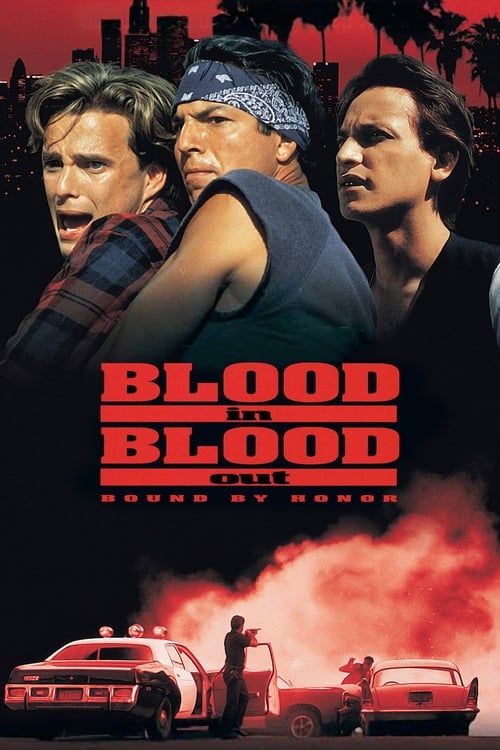
Bound by Honor, released in 1993, is more than just a crime drama; it's a sprawling, operatic tale of brotherhood, loyalty, and the devastating consequences of choices made under the weight of poverty, prejudice, and the seductive allure of gang life. Based on the real-life experiences of poet Jimmy Santiago Baca, the film immerses us in the vibrant yet volatile world of East Los Angeles in the 1970s, following the intertwined destinies of three half-brothers and cousins – Miklo, Paco, and Cruz – as their paths diverge into the depths of prison, the heights of artistic expression, and the complexities of law enforcement. While the film's ambition sometimes outstrips its execution, its raw power, compelling performances, and unflinching portrayal of a marginalized community make it a memorable and thought-provoking cinematic experience.
Plot: A Chronicle of Diverging Paths
The film opens in 1972, introducing us to Miklo (Damian Chapa), a white teenager with a Chicano heritage, as he arrives in East L.A. to connect with his cousins, Paco (Benjamin Bratt) and Cruz (Jesse Borrego). They are members of the "Vatos Locos," a tight-knit gang that provides them with a sense of belonging and purpose. A pivotal event – a violent attack that leaves a rival gang member dead and Miklo incarcerated – sets the stage for the film's sprawling narrative. This incident acts as a catalyst, irrevocably altering the course of each character's life. Miklo's imprisonment leads him down a dark path within the brutal world of San Quentin State Prison. He quickly learns the rules of survival, aligning himself with La Onda, the Mexican Mafia, and rising through their ranks. His journey is a descent into violence and moral compromise, where loyalty is tested and survival is paramount. Cruz, blessed with artistic talent, struggles with a heroin addiction that threatens to consume him. His artistic abilities offer him a potential escape from the cycle of violence and poverty, but his demons prove difficult to conquer. His story is a tragic reminder of the destructive power of addiction and the fragility of hope. Paco, haunted by the events of that fateful night, chooses a different path, dedicating himself to law enforcement. He becomes a police officer, vowing to protect his community and bring criminals to justice. However, his past and his loyalty to his "carnales" create a moral conflict that tests his resolve. The film follows these three characters over several years, chronicling their individual struggles and the ways in which their lives continue to intersect, despite their diverging paths. The plot is ambitious in its scope, attempting to capture the complexities of gang life, prison culture, and the challenges faced by the Chicano community. While the ambition is admirable, the film occasionally suffers from pacing issues and a tendency to rely on familiar crime drama tropes.
Characters: Loyalty, Identity, and Moral Ambiguity
The strength of Bound by Honor lies in its complex and compelling characters. Each brother is vividly portrayed, grappling with their own internal conflicts and navigating the treacherous landscape of their environment. * Miklo (Damian Chapa): Miklo's character arc is perhaps the most dramatic. Initially an outsider trying to fit in, he transforms into a hardened criminal, driven by a need for acceptance and a desire for power. Chapa delivers a powerful performance, conveying Miklo's inner turmoil and his unwavering loyalty to his "carnales," even as he makes morally questionable choices. His struggle with his identity, being both white and Chicano, adds another layer of complexity to his character. * Paco (Benjamin Bratt): Paco represents the hope for redemption and the possibility of breaking free from the cycle of violence. Bratt portrays Paco with a quiet intensity, capturing his internal conflict as he grapples with his loyalty to his family and his duty to uphold the law. His character serves as a moral compass, highlighting the difficult choices that individuals must make when faced with systemic injustice and personal responsibility. * Cruz (Jesse Borrego): Cruz is the soul of the film, a gifted artist whose life is tragically derailed by addiction. Borrego's performance is heartbreaking, capturing Cruz's vulnerability and his struggle to overcome his demons. His character serves as a cautionary tale, illustrating the devastating impact of drugs and the importance of seeking help. The supporting characters are equally well-developed, adding depth and texture to the film's narrative. Enrique Castillo delivers a memorable performance as Montana Segura, a hardened leader of La Onda, who mentors Miklo and guides him through the treacherous world of San Quentin. Ving Rhames also shines as Ivan, a fellow inmate who provides Miklo with guidance and friendship. These characters, and others, create a rich tapestry of personalities that contribute to the film's overall impact.
Direction and Cinematography: Capturing the Essence of East L.A.
Taylor Hackford's direction is generally solid, effectively capturing the gritty realism of East L.A. and the claustrophobic atmosphere of San Quentin. He manages to create a sense of authenticity, immersing the audience in the world of the Vatos Locos and the brutal realities of prison life. However, at times, the direction feels somewhat uneven, with certain scenes lacking the emotional depth and nuance that they deserve. The cinematography, by Gabriel Beristain, is visually striking, employing a combination of gritty realism and stylized imagery to create a compelling visual experience. The film's use of color is particularly effective, with the vibrant hues of East L.A. contrasting sharply with the bleak and sterile environment of San Quentin. The camera work effectively captures the intensity of the action sequences and the emotional vulnerability of the characters. The use of slow motion during key moments adds a dramatic flair, heightening the emotional impact of the scenes. However, some critics found the cinematography to be overly stylized at times, detracting from the film's overall realism.
Performances: A Cast That Delivers
The performances in Bound by Honor are uniformly strong, with the cast delivering nuanced and believable portrayals of their respective characters. Damian Chapa, Benjamin Bratt, and Jesse Borrego anchor the film with their compelling performances, bringing depth and complexity to their roles. Chapa's portrayal of Miklo is particularly noteworthy, capturing the character's transformation from an outsider to a hardened criminal. Bratt's performance as Paco is equally impressive, conveying the character's internal conflict and his unwavering commitment to justice. Borrego's portrayal of Cruz is heartbreaking, capturing the character's vulnerability and his struggle with addiction. The supporting cast also delivers strong performances, adding depth and texture to the film's narrative. Enrique Castillo, Ving Rhames, Delroy Lindo, and Danny Trejo all make memorable appearances, contributing to the film's overall impact. The ensemble cast works well together, creating a believable and engaging portrayal of the Chicano community in East L.A.
Themes and Messages: Loyalty, Justice, and the Cycle of Violence
Bound by Honor explores a range of complex themes, including loyalty, justice, identity, and the cycle of violence. The film examines the bonds of brotherhood and the lengths to which individuals will go to protect their families and their communities. It also raises questions about the nature of justice and the fairness of the criminal justice system. The film's exploration of identity is particularly relevant, as it examines the challenges faced by individuals who straddle multiple cultures and struggle to find their place in the world. Miklo's character, in particular, embodies this struggle, as he grapples with his identity as both white and Chicano. The film also offers a stark portrayal of the cycle of violence, illustrating how poverty, prejudice, and lack of opportunity can lead to crime and incarceration. It suggests that breaking this cycle requires addressing the root causes of these problems and providing individuals with the resources and opportunities they need to succeed. The film doesn't shy away from showing the consequences of choices made within this system, highlighting the devastation caused by addiction, violence, and the loss of hope.
Comparison to Other Films and Works
Bound by Honor shares thematic similarities with other crime dramas that explore the complexities of gang life and the challenges faced by marginalized communities. Films like American Me (1992), directed by and starring Edward James Olmos, also delve into the harsh realities of prison life and the cycle of violence. However, Bound by Honor distinguishes itself through its focus on the intertwined destinies of three brothers and its exploration of the moral complexities of law enforcement. Compared to Taylor Hackford's other works, such as An Officer and a Gentleman (1982) and Ray (2004), Bound by Honor is arguably his most ambitious and sprawling film. While it may not be as commercially successful as some of his other works, it is a testament to his ability to tackle complex social issues and create compelling character-driven narratives. The film shares Hackford's signature style of gritty realism and his focus on the human condition, exploring the struggles and triumphs of individuals facing adversity.
Positive Aspects
Bound by Honor boasts several strengths that contribute to its overall impact: * Compelling Characters: The film's characters are well-developed and relatable, allowing the audience to connect with their struggles and empathize with their choices. * Strong Performances: The cast delivers uniformly strong performances, bringing depth and authenticity to their roles. * Visually Striking Cinematography: The film's cinematography effectively captures the gritty realism of East L.A. and the claustrophobic atmosphere of San Quentin. * Exploration of Complex Themes: The film explores a range of complex themes, including loyalty, justice, identity, and the cycle of violence. * Ambitious Scope: The film's sprawling narrative and its attempt to capture the complexities of gang life, prison culture, and the challenges faced by the Chicano community are admirable.
Constructive Criticism
Despite its strengths, Bound by Honor also has some weaknesses that detract from its overall impact: * Pacing Issues: The film's sprawling narrative can feel somewhat uneven at times, with certain scenes dragging on while others feel rushed. * Reliance on Tropes: The film occasionally relies on familiar crime drama tropes, which can make it feel somewhat predictable. * Overly Stylized Cinematography: Some viewers may find the cinematography to be overly stylized at times, detracting from the film's overall realism. * Uneven Direction: While Taylor Hackford's direction is generally solid, certain scenes lack the emotional depth and nuance that they deserve. * Length: The film's length, exceeding three hours, can be daunting for some viewers.
Conclusion and Rating
Bound by Honor is a flawed but ultimately compelling film that offers a powerful and unflinching portrayal of brotherhood, loyalty, and the devastating consequences of choices made under the weight of poverty and prejudice. While the film's ambition sometimes outstrips its execution, its raw power, compelling performances, and exploration of complex themes make it a memorable and thought-provoking cinematic experience. Despite its pacing issues and reliance on familiar tropes, Bound by Honor remains a significant contribution to the crime drama genre and a testament to the power of storytelling. I give Bound by Honor a rating of 7.5 out of 10.