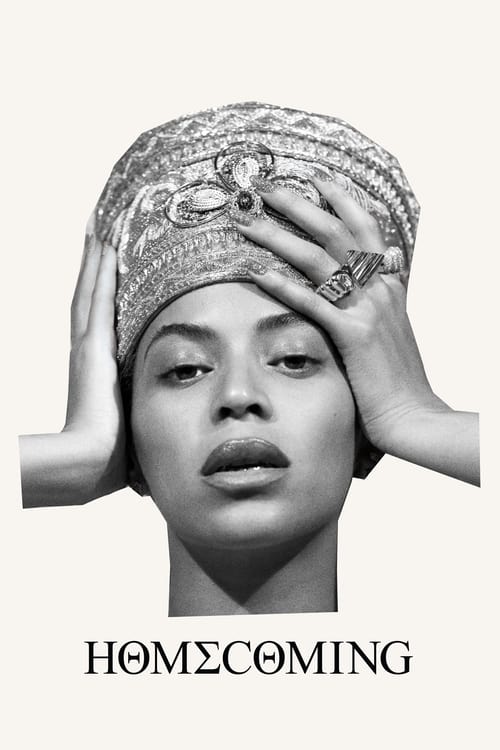
HOMECOMING: A film by Beyoncé - Review
HOMECOMING: A Film by Beyoncé - A Royal Decree of Art and Authenticity
Beyoncé Knowles-Carter isn't just a performer; she's a cultural architect. And HOMECOMING: A film by Beyoncé, released in 2019, isn't just a concert film; it's a meticulously crafted declaration of Black excellence, a celebration of HBCU culture, and an intimate glimpse into the creative process of one of the most influential artists of our time. It's a film that transcends the typical concert documentary, transforming into a powerful statement about identity, history, and the relentless pursuit of perfection. Forget the flower crowns and fleeting festival vibes; HOMECOMING invites us to step into a world where artistry, activism, and sheer willpower collide to create something truly unforgettable.
Plot: More Than Just a Performance
While the core of HOMECOMING revolves around Beyoncé's historic 2018 Coachella performance, the film cleverly weaves together multiple narratives. It's not simply a recording of the show; it's a journey. We see the grueling eight-month rehearsal process, the meticulous planning, and the immense physical and emotional toll it took on Beyoncé to bring her vision to life. Interspersed with the electrifying concert footage are deeply personal moments: voiceovers of Beyoncé reflecting on her pregnancy, her desire to create a performance that honored Black culture, and the pressure she felt to deliver something groundbreaking.
The film deftly balances the spectacle of the Coachella performance with the intimacy of the behind-the-scenes moments. We witness the dedication of the dancers, the precision of the band, and the unwavering commitment of the entire team. The narrative structure isn't linear; it flows organically between performance, rehearsal, and reflection, creating a holistic portrait of the creative process. The film uses Maya Angelou quotes, W.E.B. Du Bois excerpts, and Toni Morrison passages to add layers of meaning and context, grounding the performance within a rich tapestry of Black intellectual and artistic history.
The "plot," if one can call it that, is the story of creation itself. It's the story of taking an idea, nurturing it, and fighting for it until it becomes a reality. It's a story of resilience, determination, and the power of collaboration. It's a story that resonates far beyond the realm of music and performance.
Characters: Beyoncé and Her Court
While Beyoncé is undoubtedly the central figure, HOMECOMING isn't solely about her. It's about the collective. It's about the hundreds of dancers, musicians, and crew members who contributed to the performance's success. It's about the celebration of Black talent and the importance of representation.
Beyoncé, in this film, is presented not just as a superstar, but as a leader, a visionary, and a meticulous artist. We see her demanding perfection, pushing her team to their limits, but also offering encouragement and support. She's not afraid to show vulnerability, sharing her struggles with her post-pregnancy body and the pressure to live up to expectations. This vulnerability makes her even more relatable and inspiring.
The dancers are not just background performers; they are integral to the narrative. Their energy, their passion, and their dedication are palpable. The band, comprised of talented musicians from various HBCUs, adds a layer of authenticity and richness to the performance. The film makes a conscious effort to showcase the individual talents and contributions of these individuals, highlighting the importance of collaboration and community.
Even those who appear only briefly, like her family, add depth to the narrative. The glimpses of Blue Ivy, her daughter, are particularly poignant, reinforcing the themes of legacy and the importance of passing down cultural heritage.
Direction: Orchestrating a Cultural Symphony
Beyoncé's directorial debut is nothing short of masterful. She doesn't just document the performance; she curates an experience. The film is meticulously crafted, with every shot, every edit, and every musical cue carefully considered. She understands the power of visual storytelling and uses it to maximum effect.
The direction is both intimate and epic. The close-up shots capture the raw emotion and intensity of the performance, while the sweeping aerial shots showcase the scale and grandeur of the production. The use of split screens, slow motion, and archival footage adds layers of depth and complexity to the narrative.
Beyoncé's directorial style is characterized by a strong sense of control and precision. She knows exactly what she wants to convey and uses every tool at her disposal to achieve her vision. She's not afraid to experiment with different techniques and styles, creating a film that is both visually stunning and emotionally resonant.
The pacing of the film is also expertly managed. The film ebbs and flows between high-energy performance sequences and more contemplative behind-the-scenes moments, keeping the audience engaged and invested throughout. The use of voiceover narration is particularly effective, providing context and insight into Beyoncé's creative process and her motivations.
Cinematography: A Visual Feast
The cinematography in HOMECOMING is breathtaking. The film is visually stunning, with vibrant colors, dynamic camera angles, and a keen eye for detail. The lighting is particularly effective, creating a sense of drama and intensity during the performance sequences and a sense of intimacy during the behind-the-scenes moments.
The film employs a variety of cinematic techniques to enhance the visual experience. The use of slow motion allows the audience to appreciate the artistry and athleticism of the dancers. The use of close-up shots captures the raw emotion and intensity of the performers' faces. The use of aerial shots provides a sense of scale and grandeur.
The color palette of the film is also carefully considered. The vibrant yellows and golds of the costumes and set design evoke a sense of royalty and celebration. The use of black and white in the archival footage adds a sense of history and context.
The cinematography is not just aesthetically pleasing; it also serves a narrative purpose. It helps to tell the story, to convey the emotions, and to create a truly immersive experience for the viewer.
Performances: A Symphony of Black Excellence
Beyoncé's performance in HOMECOMING is nothing short of iconic. She delivers a tour-de-force performance that showcases her unparalleled talent, her unwavering dedication, and her deep connection to her cultural heritage. Her vocals are flawless, her dancing is electrifying, and her stage presence is magnetic.
But it's not just Beyoncé's individual performance that makes HOMECOMING so special. It's the collective performance of the entire cast. The dancers, the musicians, and the crew all contribute to the creation of a truly unforgettable experience. Their energy, their passion, and their dedication are palpable, and they elevate the performance to a whole new level.
The musical arrangements are also exceptional. The songs are reimagined and reinterpreted in a way that honors their original spirit while also adding a fresh and contemporary twist. The incorporation of HBCU marching band traditions adds a layer of authenticity and cultural richness to the performance.
The entire performance is a celebration of Black excellence. It's a showcase of Black talent, Black creativity, and Black resilience. It's a reminder of the importance of representation and the power of cultural pride.
Themes and Messages: A Cultural Manifesto
HOMECOMING is more than just a concert film; it's a cultural manifesto. It explores a wide range of themes and messages, including:
- Black Excellence: The film is a celebration of Black talent, Black creativity, and Black achievement. It showcases the brilliance and resilience of Black people throughout history and in the present day.
- HBCU Culture: The film pays homage to the rich history and traditions of Historically Black Colleges and Universities. It highlights the importance of these institutions in shaping Black identity and fostering Black leadership.
- Representation: The film emphasizes the importance of representation in media and in all aspects of society. It shows the power of seeing oneself reflected in positions of power and influence.
- Sisterhood: The film celebrates the strength and solidarity of Black women. It highlights the importance of supporting and uplifting one another.
- Motherhood: The film explores the challenges and joys of motherhood, particularly for Black women. It shows the strength and resilience of mothers in balancing their personal and professional lives.
- Legacy: The film emphasizes the importance of passing down cultural heritage and traditions to future generations. It shows the power of connecting with one's roots and honoring one's ancestors.
- Perfectionism and the Creative Process: The film provides an intimate look into the demanding creative process of Beyoncé and her team, showcasing the dedication, sacrifices, and relentless pursuit of excellence required to achieve such a monumental artistic feat. It also subtly touches upon the pressures of maintaining a perfect public image.
The film's message is clear: Black culture is beautiful, powerful, and worthy of celebration. It's a message that resonates deeply with audiences of all backgrounds.
Comparison: Beyond the Concert Film Genre
While HOMECOMING shares similarities with other concert films like Stop Making Sense by Talking Heads or even Beyoncé's own previous concert films like I Am... Yours and Life Is But a Dream, it transcends the genre in several key ways. Unlike films that primarily focus on the performance itself, HOMECOMING delves deeper into the creative process, the cultural context, and the personal journey of the artist. It's more akin to a documentary like What Happened, Miss Simone? or Amy in its exploration of the artist's inner life and the forces that shaped their work.
Compared to Lemonade, Beyoncé's visual album, HOMECOMING is less abstract and more directly celebratory. While Lemonade explored themes of infidelity, pain, and reconciliation, HOMECOMING focuses on empowerment, pride, and the celebration of Black culture. Both works, however, showcase Beyoncé's artistic vision and her ability to use music and visuals to tell powerful stories.
Ultimately, HOMECOMING stands apart from other concert films due to its explicit focus on Black culture and its commitment to showcasing Black talent. It's a film that is both entertaining and educational, both visually stunning and deeply meaningful.
Positive Aspects: A Triumph of Vision and Execution
HOMECOMING is a triumph on multiple levels. Its strengths include:
- Visually Stunning: The cinematography, editing, and overall aesthetic are impeccable.
- Musically Rich: The performances are electrifying and the musical arrangements are innovative and engaging.
- Culturally Significant: The film is a powerful celebration of Black culture and a reminder of the importance of representation.
- Inspiring: The film is a testament to the power of hard work, dedication, and unwavering belief in oneself.
- Intimate and Revealing: The film provides a rare glimpse into the creative process of one of the world's most influential artists.
- Well-Paced and Engaging: The film keeps the audience captivated from beginning to end.
Constructive Criticism: Areas for Potential Improvement
While HOMECOMING is a remarkable achievement, there are a few areas where it could have been even stronger:
- Deeper Dive into Individual Stories: While the film showcases the dancers and musicians, it could have benefited from a deeper exploration of their individual stories and experiences. More focused interviews or vignettes could have added another layer of depth.
- More Contextualization of the Coachella Performance: While the film explains the significance of HBCU culture, it could have provided more context about the broader cultural landscape of Coachella and the impact of Beyoncé's performance on the festival itself.
- Addressing Criticism: The film largely avoids addressing any criticism leveled against Beyoncé or her work. Acknowledging and responding to some of these criticisms, even briefly, could have added a layer of complexity and nuance.
- Over-Sanitization: While the film offers a glimpse into the demanding rehearsal process, it sometimes feels a bit too polished and sanitized. Showing more of the raw, unedited moments of struggle and frustration could have made it even more relatable.
These are minor quibbles, however, and do not detract significantly from the overall impact of the film.
Conclusion: A Royal Decree of Artistry
HOMECOMING: A film by Beyoncé is a monumental achievement. It's a visually stunning, musically rich, and culturally significant film that transcends the concert film genre. It's a testament to the power of Black excellence, a celebration of HBCU culture, and an intimate glimpse into the creative process of one of the most influential artists of our time. While not without minor flaws, its strengths far outweigh its weaknesses. It's a film that will inspire, entertain, and leave a lasting impact on viewers for years to come. It's more than just a concert film; it's a cultural artifact.
Rating: 9.5/10