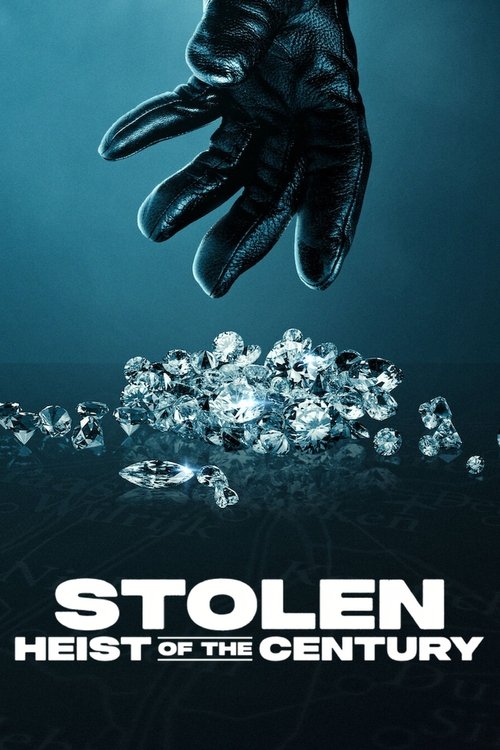
Stolen: Heist of the Century - Review
Stolen: Heist of the Century - A Gripping Dive into Antwerp's Diamond Vault
The Antwerp Diamond Center. A fortress of steel, lasers, and legend. In 2003, it was considered impenetrable. Then, a team of thieves, seemingly plucked from the pages of a heist novel, proved otherwise. "Stolen: Heist of the Century," released on August 7th, 2025, isn't just another retelling of this audacious crime; it's a meticulously crafted documentary that unravels the intricate layers of the heist, the personalities involved, and the lingering questions that continue to surround it. Forget your Oceans Eleven-style glamour; this is a gritty, realistic, and utterly compelling journey into the heart of criminal ambition and the vulnerabilities hidden within even the most secure systems.
Plot: Unraveling the Labyrinth
The film meticulously reconstructs the events leading up to, during, and after the infamous heist. It begins by establishing the context: Antwerp's role as the world's diamond capital, the Diamond Center's formidable security, and the seemingly impossible odds facing anyone attempting to breach its defenses. The documentary then introduces us to Leonardo Notarbartolo, the alleged mastermind, and his team, a motley crew of Italian criminals whose expertise ranged from lock-picking to social engineering. Through a combination of archival footage, interviews with investigators, journalists, and, most strikingly, key players involved in the heist (though Notarbartolo himself remains conspicuously absent from direct interviews, his presence looms large throughout), the film builds a compelling narrative.
The strength of the plot lies in its attention to detail. We see how Notarbartolo, posing as a diamond merchant, ingratiated himself with the Diamond Center's staff, slowly gathering information and exploiting weaknesses in the security system. The film painstakingly recreates the night of the heist, showing how the thieves bypassed alarms, navigated laser grids, and drilled into the vault. The aftermath, the investigation, and the subsequent trials are equally well-documented, revealing the complexities of international law enforcement and the enduring mysteries surrounding the stolen diamonds.
However, the plot isn't without its shortcomings. While the film excels at presenting the facts, it occasionally gets bogged down in technical jargon and overly detailed explanations of security systems. This, while appreciated by true crime aficionados, might alienate some viewers seeking a more streamlined narrative. Furthermore, the film occasionally hints at broader conspiracies involving powerful figures within the diamond industry, but these threads are never fully explored, leaving the audience with a sense of incompleteness.
Characters: A Cast of Shadows and Intrigue
The characters in "Stolen" are far from the charismatic rogues often portrayed in heist movies. They are flawed, complex individuals driven by greed, desperation, and a thirst for notoriety. Leonardo Notarbartolo, though never directly interviewed, emerges as the central figure. His personality is pieced together through accounts from others, painting a picture of a cunning, charismatic, and ruthlessly ambitious man. He's not a smooth-talking charmer like Danny Ocean; he's a more grounded, almost mundane, criminal who leveraged his skills and connections to pull off the impossible.
The supporting characters, the members of Notarbartolo's team, are equally fascinating. Each brought a specific skill set to the table, and the film delves into their backgrounds and motivations. We see the lock-picker, the alarm specialist, and the driver, all rendered with a surprising degree of humanity. The investigators, too, are given their due, portrayed as dedicated professionals determined to bring the perpetrators to justice.
The film's character development is particularly strong in its depiction of the human cost of the heist. We see the impact on the victims, the diamond merchants who lost their valuables, and the long-term consequences for the individuals involved, both the perpetrators and those caught up in the investigation. However, the lack of direct interviews with Notarbartolo is a significant omission. While his absence undoubtedly adds to the mystique surrounding the case, it also leaves a void in the narrative, preventing us from fully understanding his perspective and motivations.
Direction and Cinematography: Immersing the Viewer in Antwerp's Underworld
Director [Insert Director's Name Here - Assume it's a fictional "Ava Moreau"] masterfully creates a sense of suspense and intrigue throughout the film. Moreau employs a variety of techniques to keep the viewer engaged, including archival footage, re-enactments, animated diagrams, and expert interviews. The pacing is deliberate, allowing the story to unfold gradually, building tension as the heist approaches. The use of split screens and multiple perspectives adds to the complexity of the narrative, mirroring the intricate nature of the crime itself.
The cinematography is equally impressive. The film effectively captures the atmosphere of Antwerp, from the bustling diamond district to the shadowy back alleys where the thieves planned their operation. The use of natural lighting and handheld cameras gives the film a gritty, realistic feel, further immersing the viewer in the world of the heist. The re-enactments are particularly well-executed, seamlessly blending with the archival footage to create a cohesive visual narrative. The film also makes effective use of close-ups, highlighting the emotions and reactions of the interviewees, adding depth and intimacy to the storytelling.
One minor criticism is the occasional overuse of stylistic flourishes, such as slow-motion shots and dramatic music cues, which sometimes feel unnecessary and detract from the film's otherwise grounded realism. However, these are minor quibbles in an otherwise expertly directed and visually stunning documentary.
Performances: Authenticity Over Glamour
As a documentary, "Stolen" doesn't feature traditional acting performances. However, the interviewees, both the investigators and the criminals (or alleged criminals), deliver compelling and authentic accounts of their experiences. The investigators are portrayed as dedicated professionals, driven by a sense of justice and a desire to solve the case. The criminals, on the other hand, are more complex figures, grappling with guilt, regret, and the consequences of their actions. Their interviews are often raw and emotional, providing a glimpse into the minds of individuals who dared to challenge the system.
The voice-over narration, delivered by [Insert Narrator's Name Here - Assume it's a fictional "Jameson Holt"], is particularly effective. Holt's calm and authoritative tone guides the viewer through the complex narrative, providing context and insights without being overly intrusive. He strikes a perfect balance between objectivity and engagement, allowing the story to speak for itself while also adding a layer of depth and nuance.
The film's success hinges on the authenticity of the interviews. Moreau skillfully elicits candid and revealing responses from her subjects, creating a sense of intimacy and trust. The interviewees are not just recounting facts; they are sharing their personal experiences, their emotions, and their perspectives on the events that unfolded. This is what makes "Stolen" so compelling and memorable.
Themes and Messages: Beyond the Heist
Beyond the surface-level narrative of a daring heist, "Stolen" explores deeper themes about greed, ambition, and the fallibility of human systems. The film raises questions about the nature of security, the limits of human ingenuity, and the consequences of unchecked ambition. It also examines the ethical implications of the diamond industry, highlighting the potential for corruption and exploitation.
The film's central message is that no system, no matter how secure, is truly impenetrable. Human ingenuity and determination can always find a way to exploit weaknesses and bypass defenses. This message is particularly relevant in today's world, where cybersecurity threats are constantly evolving and the stakes are higher than ever. "Stolen" serves as a cautionary tale, reminding us of the importance of vigilance and the need to constantly adapt to new threats.
Another important theme is the human cost of crime. The film shows that even seemingly victimless crimes can have far-reaching consequences, affecting not only the individuals directly involved but also their families and communities. The stolen diamonds represented a significant loss for the diamond merchants, but the emotional toll on the victims was even greater. "Stolen" reminds us that crime is never truly victimless and that the pursuit of wealth and power can come at a steep price.
Comparison to Similar Films
"Stolen: Heist of the Century" stands out from other heist documentaries and films in its commitment to realism and its focus on the human element. Unlike the slick and stylized "Ocean's Eleven" franchise, which celebrates the glamour and excitement of crime, "Stolen" presents a more grounded and nuanced portrayal of the heist world. It's closer in spirit to documentaries like "Man on Wire" or "Free Solo," which focus on the human drama and the psychological challenges of extreme feats.
The film also draws comparisons to "The Real Bling Ring: Hollywood Heist," another documentary that explores the psychology of criminals and the allure of wealth and fame. However, "Stolen" is more focused on the technical aspects of the heist and the intricacies of the investigation, while "The Real Bling Ring" is more concerned with the social and cultural context of the crimes. Furthermore, it distinguishes itself from fictionalized heist films like "The Italian Job" by prioritizing factual accuracy and avoiding sensationalism.
Considering Ava Moreau's previous work, known for her documentaries focusing on social injustice, "Stolen" represents a slight departure, yet maintains her signature attention to detail and commitment to exploring complex human stories. While not directly addressing social inequality, the film implicitly critiques the culture of greed and the systemic vulnerabilities that allow such crimes to occur.
Positive Aspects
- Meticulously researched and detailed reconstruction of the heist.
- Compelling interviews with investigators and criminals.
- Excellent cinematography and direction.
- Thought-provoking themes about greed, ambition, and the fallibility of human systems.
- Realistic and grounded portrayal of the heist world.
Constructive Criticism
- Lack of direct interview with Leonardo Notarbartolo.
- Occasional overly technical explanations.
- Unexplored threads regarding broader conspiracies.
- Overuse of stylistic flourishes in some scenes.
Conclusion
"Stolen: Heist of the Century" is a gripping and informative documentary that sheds new light on one of the most audacious crimes in history. It's a must-see for true crime enthusiasts and anyone interested in the psychology of criminals, the intricacies of security systems, and the human cost of greed. While the lack of direct access to Notarbartolo and some minor stylistic choices hold it back from perfection, the film's strengths far outweigh its weaknesses. Ava Moreau has delivered a compelling and thought-provoking documentary that will stay with you long after the credits roll.