The Outlaws - Review
"The Outlaws" (2024): A Taut Western Gripped by Suspicion
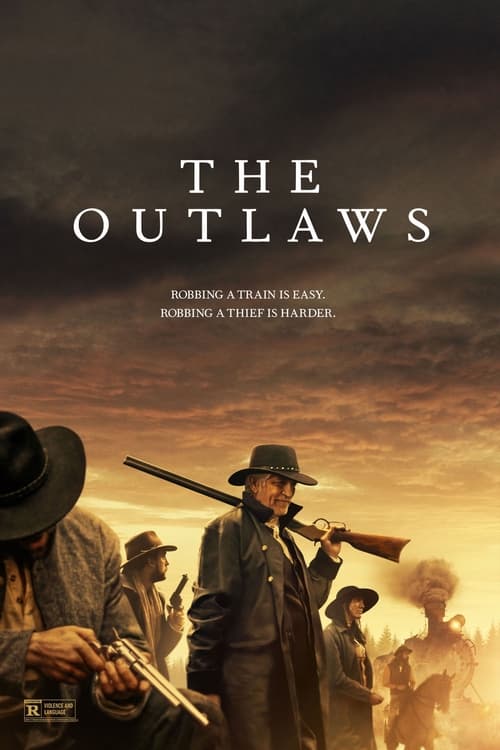
In the vast and unforgiving landscape of the American West, trust is a luxury few can afford. Director Elias Thorne’s latest film, "The Outlaws," plunges us into the heart of that reality, delivering a tense and claustrophobic Western that hinges on paranoia, betrayal, and the desperate scramble for survival. Released on July 12th, 2024, this isn't your typical gunslinging, wide-open-spaces Western. Instead, Thorne crafts a chamber piece of sorts, a pressure cooker where the sins of the past and the anxieties of the present simmer until they boil over. While the film boasts stunning visuals and compelling performances, a few narrative stumbles prevent it from reaching its full potential, leaving a lingering feeling that something was left on the table.
Plot: The Missing Loot and the Seeds of Doubt
The premise of "The Outlaws" is deceptively simple: a ragtag group of bandits, flush with the success of a daring train robbery, awaken to a chilling discovery – their hard-earned loot has vanished. With no sign of forced entry, no witnesses in the desolate wilderness, and a growing sense of dread, the outlaws realize the unthinkable: the thief is among them. What follows is a high-stakes, psychologically charged interrogation, as the group's de facto leader, Cole (played with steely resolve by Ethan Blackwood), attempts to uncover the culprit before the situation spirals into a bloodbath.
The narrative unfolds through a series of flashbacks, each offering a glimpse into the individual outlaw's past and motivations. These flashbacks, while visually striking and often emotionally resonant, occasionally disrupt the film's pacing. The back-and-forth between the present-day interrogation and the fragmented memories creates a sense of disorientation, which, while arguably intentional, sometimes detracts from the mounting tension. The film excels in its exploration of the characters' moral ambiguities. None of them are saints, and the flashbacks cleverly reveal the shades of grey that define their actions. However, the reliance on flashbacks to build character development also means that some characters feel underdeveloped in the present timeline.
The central mystery of the missing loot is compelling, and the film does a commendable job of keeping the audience guessing until the very end. Red herrings are plentiful, and each outlaw has a plausible motive for betraying the group. The script, penned by debut writer Amelia Hayes, is sharp and dialogue-driven, with moments of biting wit and genuine emotional vulnerability. However, the resolution of the mystery, while satisfying in some respects, feels somewhat rushed and anticlimactic. The reveal of the thief and their motive, though logically sound, lacks the emotional punch that the film had been building towards.
Characters: A Band of Broken Souls
"The Outlaws" lives and dies by its characters, and thankfully, the ensemble cast delivers stellar performances across the board. Ethan Blackwood anchors the film as Cole, the pragmatic and hardened leader who struggles to maintain order in the face of growing paranoia. Blackwood portrays Cole with a quiet intensity, conveying the weight of his responsibility and the burden of his past through subtle gestures and piercing gazes. He’s not a hero, but he's undeniably compelling, a man trying to navigate a world that has consistently dealt him a bad hand.
The supporting cast is equally impressive. Sofia Ramirez shines as Isabella, the group's sharpshooter and the only woman among them. Isabella is fiercely independent and fiercely loyal, but her past is shrouded in mystery. Ramirez imbues Isabella with a quiet strength and vulnerability, making her one of the most sympathetic characters in the film. Then there's Jasper, played by veteran character actor Samuel O'Connell. Jasper is the oldest member of the group, a grizzled veteran of countless heists and gunfights. O'Connell brings a world-weariness to the role, portraying Jasper as a man who has seen too much violence and is simply trying to survive. His performance is nuanced and layered, adding depth and complexity to the ensemble.
However, not all characters are created equal. While some outlaws receive ample screen time and character development, others feel like mere plot devices, existing primarily to serve the central mystery. This unevenness in character development is one of the film's weaknesses. For example, the character of Silas, played by newcomer Daniel Hayes, feels underdeveloped and ultimately forgettable. While Hayes delivers a competent performance, Silas lacks the depth and complexity of the other outlaws, making him a less compelling suspect in the theft.
Direction and Cinematography: A Visual Masterclass in Suspense
Elias Thorne’s direction is masterful. He crafts a palpable sense of tension and unease, using close-ups and tight framing to amplify the paranoia and suspicion among the outlaws. The camera lingers on their faces, capturing every flicker of doubt, every hint of deception. Thorne expertly uses the film's limited setting – a secluded cabin in the wilderness – to create a claustrophobic atmosphere that mirrors the characters' psychological state. The cabin becomes a pressure cooker, where secrets simmer and tensions escalate until they reach a breaking point.
The cinematography, courtesy of veteran cinematographer Marcus Bell, is breathtaking. Bell captures the beauty and harshness of the Western landscape with stunning clarity. The wide shots of the vast plains and towering mountains provide a stark contrast to the confined space of the cabin, highlighting the characters' isolation and vulnerability. The use of natural light adds to the film's authenticity, creating a sense of realism that draws the viewer into the world of the outlaws. The color palette is muted and earthy, reflecting the gritty and unforgiving nature of the West. The cinematography is not just visually appealing; it is an integral part of the storytelling, enhancing the film's themes and adding to its overall impact.
The film also utilizes sound design effectively. The creaking of the cabin, the howling of the wind, and the crackling of the fire all contribute to the atmosphere of unease and suspense. The score, composed by up-and-coming composer Clara Jensen, is haunting and melancholic, perfectly complementing the film's themes of betrayal and loss. The music never overwhelms the visuals or the dialogue, but rather enhances the emotional impact of the scenes.
Themes and Messages: Betrayal, Trust, and the Price of Survival
"The Outlaws" explores several complex themes, chief among them being the corrosive nature of betrayal and the fragility of trust. The film suggests that in a world where survival is paramount, loyalty is a luxury few can afford. The outlaws are bound together by necessity, not by genuine affection or shared values. Their relationships are transactional, based on mutual self-interest. When the loot goes missing, the bonds that hold them together begin to fray, revealing the underlying tensions and resentments that have been simmering beneath the surface.
The film also examines the theme of moral ambiguity. None of the characters are purely good or purely evil. They are all flawed individuals who have made questionable choices in their past. The flashbacks reveal the circumstances that led them to a life of crime, highlighting the societal factors that contribute to their moral compromises. The film does not condone their actions, but it does offer a degree of empathy for their plight. It suggests that even the most hardened criminals are capable of redemption, but that redemption often comes at a high price.
Another recurring theme is the struggle for survival in a harsh and unforgiving environment. The West is depicted as a place where only the strong survive, where violence is commonplace, and where justice is often elusive. The outlaws are constantly battling against the elements, against rival gangs, and against the forces of law and order. Their survival depends on their ability to adapt, to be ruthless, and to trust no one. The film suggests that the pursuit of survival can often lead to moral compromises and the erosion of one's humanity.
Comparisons: Echoes of Western Classics
"The Outlaws" draws inspiration from several classic Westerns, most notably "The Treasure of the Sierra Madre" and "Reservoir Dogs." Like "The Treasure of the Sierra Madre," "The Outlaws" explores the corrupting influence of greed and the destructive power of paranoia. Both films depict a group of men who are driven to madness by their lust for wealth, ultimately turning against each other in a desperate scramble for survival.
The film also shares similarities with "Reservoir Dogs," particularly in its focus on a group of criminals trapped in a confined space, suspicious of each other and unsure of who to trust. The dialogue-driven nature of the film, the use of flashbacks to reveal character backstories, and the emphasis on psychological tension all echo the style of Quentin Tarantino's iconic crime thriller.
However, "The Outlaws" is not simply a derivative work. It takes these familiar tropes and themes and reworks them in a fresh and original way. The film's focus on character development, its stunning visuals, and its nuanced exploration of moral ambiguity set it apart from its predecessors. While it may not reach the heights of the films it draws inspiration from, "The Outlaws" is a worthy addition to the Western genre.
Positive Aspects: A Compelling Visual and Performative Experience
The film's strengths lie in its stunning visuals, its compelling performances, and its taut, suspenseful narrative. Elias Thorne’s direction is masterful, creating a palpable sense of tension and unease. The cinematography is breathtaking, capturing the beauty and harshness of the Western landscape with stunning clarity. The ensemble cast delivers stellar performances across the board, with Ethan Blackwood, Sofia Ramirez, and Samuel O'Connell standing out in particular. The script is sharp and dialogue-driven, with moments of biting wit and genuine emotional vulnerability.
The film also excels in its exploration of the characters' moral ambiguities. None of them are saints, and the flashbacks cleverly reveal the shades of grey that define their actions. The central mystery of the missing loot is compelling, and the film does a commendable job of keeping the audience guessing until the very end.
Constructive Criticism: Missed Opportunities and Narrative Stumbles
Despite its strengths, "The Outlaws" is not without its flaws. The reliance on flashbacks to build character development sometimes disrupts the film's pacing and makes some characters feel underdeveloped in the present timeline. The resolution of the mystery, while logically sound, feels somewhat rushed and anticlimactic. The reveal of the thief and their motive, though plausible, lacks the emotional punch that the film had been building towards.
Additionally, some viewers may find the film's slow pace and deliberate storytelling to be off-putting. "The Outlaws" is not an action-packed Western; it is a character-driven drama that unfolds at a measured pace. Those expecting a traditional gunslinging Western may be disappointed.
Conclusion: A Worthwhile, Though Imperfect, Western Thriller
"The Outlaws" is a well-crafted and engaging Western that offers a fresh take on familiar tropes. While it suffers from some narrative stumbles and missed opportunities, the film's strengths – its stunning visuals, compelling performances, and taut suspense – outweigh its weaknesses. Elias Thorne has delivered a visually arresting and psychologically intriguing thriller that will keep you guessing until the very end. It's a film that lingers in the mind long after the credits roll, prompting reflection on the themes of betrayal, trust, and the price of survival. It's not a perfect film, but it's a worthwhile one, and a solid entry into the Western genre.