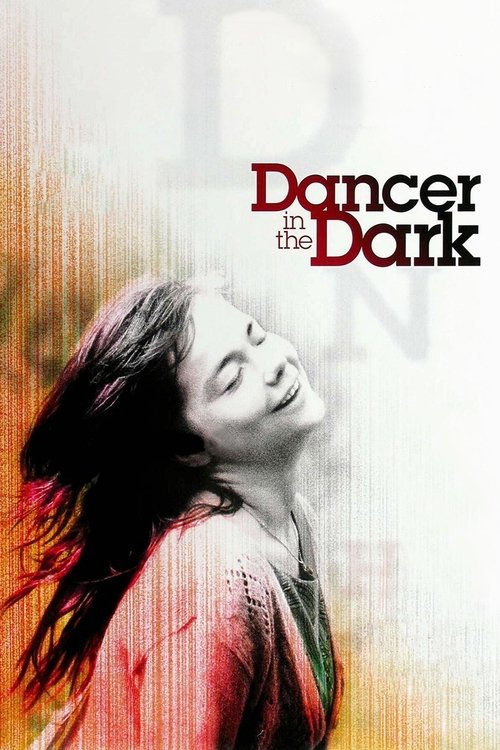
Dancer in the Dark - Review
Dancer in the Dark: A Heart-Wrenching Symphony of Despair and Hope
Lars von Trier's Dancer in the Dark is not a film you simply watch; it's an experience that burrows under your skin, leaving an indelible mark long after the credits roll. Released in 2000, this relentlessly bleak and emotionally raw drama, starring Björk in a tour-de-force performance, tells the story of Selma Ježková, a Czech immigrant in 1960s America, struggling to save her son from the same hereditary blindness that is slowly consuming her. While the film's experimental style and unflinching portrayal of suffering have divided audiences and critics alike, its power to evoke profound empathy and provoke uncomfortable questions about justice and sacrifice remains undeniable.
A Plot Steeped in Tragedy
The narrative of Dancer in the Dark is deceptively simple, yet unfolds with the crushing weight of a Greek tragedy. Selma works tirelessly in a factory, scrimping and saving every penny to afford an operation that will prevent her son, Gene, from going blind. Her own vision is rapidly deteriorating, a fact she desperately tries to conceal from her employers and friends. Living in a trailer on the property of Bill and Linda Houston, a local police officer and his wife, Selma finds solace in her participation in a local amateur musical theater production. The rhythmic sounds of the factory and everyday life trigger elaborate musical fantasies in her mind, offering a temporary escape from the harsh realities of her existence.
The film's central conflict arises when Bill, burdened by debt and despair, steals Selma's hard-earned savings. In a desperate attempt to reclaim the money, Selma confronts Bill, leading to a tragic accident that irrevocably alters the course of her life. Accused of murder, Selma finds herself entangled in a legal system she barely understands, facing the daunting prospect of execution. Throughout her ordeal, her primary concern remains Gene's future, and she refuses to reveal the truth about Bill's theft, fearing it will jeopardize her son's operation. The plot, therefore, becomes a relentless descent into hopelessness, punctuated by fleeting moments of musical fantasy that offer a stark contrast to the grim reality.
Characters Forged in the Crucible of Suffering
The strength of Dancer in the Dark lies not only in its plot but also in its deeply flawed and intensely human characters. Björk's portrayal of Selma is nothing short of mesmerizing. She embodies a profound innocence and unwavering devotion to her son, even in the face of unimaginable adversity. Selma's naivety and unwavering optimism, while sometimes frustrating, make her suffering all the more poignant. She is a woman who finds beauty and joy in the world despite her circumstances, a testament to the resilience of the human spirit.
Bill Houston, played by David Morse, is a complex and ultimately tragic figure. Initially presented as a sympathetic character, his desperation and moral failings lead him to commit a devastating act. His shame and guilt are palpable, adding layers of complexity to his character. Linda Houston, portrayed by Cara Seymour, is a well-meaning but ultimately ineffectual friend to Selma. Her inability to truly understand Selma's plight highlights the isolating nature of her suffering.
Jeff, played by Peter Stormare, is Selma's devoted friend and admirer. He provides unwavering support and love, offering a glimmer of hope in the darkness. His quiet devotion and genuine concern for Selma's well-being make him a beacon of light in a world consumed by despair. Samuel, played by Vladica Kostic, is Selma's son, a symbol of her unwavering love and the driving force behind her sacrifices. He represents the future and the hope for a better life, a hope that Selma desperately clings to.
Direction and Cinematography: A Deliberate Assault on the Senses
Lars von Trier's directorial style in Dancer in the Dark is deliberately jarring and unsettling. He employs a handheld camera and shaky camerawork, creating a sense of immediacy and unease. This unconventional approach immerses the viewer in Selma's chaotic and disorienting world, mirroring her deteriorating vision and emotional turmoil. The film's visual aesthetic is raw and unpolished, devoid of the glossy sheen of mainstream Hollywood productions.
The cinematography, while often criticized for its shaky and amateurish quality, serves a specific purpose. It reinforces the film's themes of realism and vulnerability. The use of natural lighting and unglamorous settings further contributes to the film's gritty and unflinching portrayal of poverty and desperation. The contrast between the bleak reality and Selma's vibrant musical fantasies is visually striking, highlighting the power of imagination as a coping mechanism.
The musical sequences, directed by Vincent Paterson, offer a brief respite from the film's relentless bleakness. These sequences are visually stunning and emotionally uplifting, showcasing Björk's unique vocal talent and her ability to convey a wide range of emotions through music. However, even these moments of joy are tinged with sadness, as they serve as a reminder of the stark contrast between Selma's dreams and her harsh reality.
Performances: Björk's Masterpiece
The performances in Dancer in the Dark are uniformly powerful, but Björk's portrayal of Selma is the film's undeniable centerpiece. Her performance is raw, vulnerable, and deeply affecting. She captures Selma's innocence, her unwavering optimism, and her profound love for her son with remarkable authenticity. Björk's untrained acting style adds to the character's believability, making Selma feel like a real person struggling to survive in a cruel and unforgiving world.
David Morse delivers a nuanced and compelling performance as Bill Houston, portraying the character's internal conflict and moral decay with subtlety and depth. Peter Stormare is excellent as Jeff, providing a much-needed dose of warmth and compassion. Cara Seymour's portrayal of Linda Houston is also noteworthy, capturing the character's well-meaning but ultimately ineffectual attempts to help Selma.
Björk's performance earned her the Best Actress award at the 2000 Cannes Film Festival, solidifying her status as a formidable talent. While her experience on set was reportedly difficult, and she has stated she will likely never act again, her contribution to Dancer in the Dark is undeniable. Her performance transcends mere acting; it is a visceral and emotionally resonant portrayal of human suffering and resilience.
Themes and Messages: Sacrifice, Justice, and the Power of Imagination
Dancer in the Dark is a film rich in thematic complexity, exploring profound questions about sacrifice, justice, and the power of imagination. Selma's unwavering devotion to her son and her willingness to sacrifice everything for his well-being raise questions about the limits of parental love and the ethical implications of self-sacrifice.
The film also critiques the American legal system, portraying it as a cold and impersonal institution that fails to understand or address the complexities of individual circumstances. Selma's trial is a Kafkaesque nightmare, highlighting the inherent biases and inequalities within the system. The film suggests that justice is often blind, not in the traditional sense of impartiality, but in its inability to see the human cost of its decisions.
Perhaps the most enduring theme of Dancer in the Dark is the power of imagination as a coping mechanism. Selma's musical fantasies provide her with a temporary escape from the harsh realities of her life, allowing her to find beauty and joy in the world despite her suffering. The film suggests that even in the darkest of times, the human spirit can find solace and strength in the realm of imagination.
Comparison to Other Films and Works
Dancer in the Dark is a unique and challenging film that defies easy categorization. However, it shares thematic and stylistic similarities with other works that explore themes of poverty, sacrifice, and social injustice. Ken Loach's films, such as Kes and I, Daniel Blake, offer similarly unflinching portrayals of working-class struggles and the failures of social welfare systems.
The film's experimental style and use of handheld camera work are reminiscent of the Dogme 95 movement, of which Lars von Trier was a founding member. Dogme 95 films aimed to strip away the artifice of filmmaking and focus on capturing reality in its rawest form. While Dancer in the Dark deviates from some of the strict Dogme 95 rules, it retains the movement's emphasis on realism and authenticity.
Björk's unique musical style and her exploration of themes of nature, technology, and human emotion have influenced a wide range of artists. Her work can be compared to that of other experimental musicians such as Kate Bush and Laurie Anderson, who also push the boundaries of musical expression.
Positive Aspects
Despite its bleak and often disturbing content, Dancer in the Dark possesses several undeniable strengths. Björk's performance is a tour-de-force, captivating viewers with her raw emotion and vulnerability. The film's exploration of complex themes such as sacrifice, justice, and the power of imagination is thought-provoking and emotionally resonant. The musical sequences offer moments of beauty and joy, providing a stark contrast to the film's grim reality. The film's experimental style and unflinching portrayal of suffering are undeniably powerful, leaving a lasting impact on the viewer.
Constructive Criticism
Dancer in the Dark is not without its flaws. The film's relentless bleakness and unflinching portrayal of suffering can be overwhelming and emotionally draining. The shaky camerawork and amateurish aesthetic may be off-putting to some viewers. The plot relies on a series of improbable events, which can strain credulity. Some critics have accused the film of being manipulative and exploitative, arguing that it uses suffering for shock value. The film's ending is particularly controversial, with some viewers finding it unnecessarily cruel and depressing.
Conclusion and Rating
Dancer in the Dark is a challenging and emotionally demanding film that is not for the faint of heart. Its relentless bleakness and unflinching portrayal of suffering can be overwhelming and disturbing. However, it is also a powerful and thought-provoking work that explores profound questions about sacrifice, justice, and the power of imagination. Björk's performance is nothing short of mesmerizing, and the film's experimental style and unconventional narrative are undeniably impactful.
Despite its flaws, Dancer in the Dark is a film that stays with you long after the credits roll. It is a testament to the resilience of the human spirit and a reminder of the importance of empathy and compassion. While its bleakness may be off-putting to some, its emotional power and thematic depth are undeniable. For its sheer ambition, its unflinching portrayal of human suffering, and Björk's unforgettable performance, I give Dancer in the Dark a rating of:
9/10