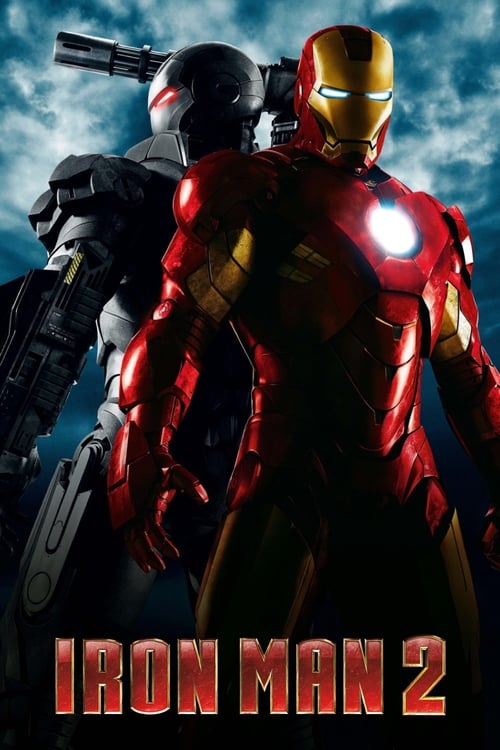
Iron Man 2 - Review
Iron Man 2: A Mixed Bag of Genius, Tech, and Missed Potential
Iron Man 2, released in 2010, arrived on the scene with a tremendous weight of expectation on its armored shoulders. Following the phenomenal success of its predecessor, it had to not only deliver more of what audiences loved but also expand the Marvel Cinematic Universe in meaningful ways. Did it succeed entirely? The answer, like Tony Stark himself, is complex and multifaceted. While boasting dazzling visuals, thrilling action sequences, and Robert Downey Jr.'s undeniable charisma, Iron Man 2 also grapples with pacing issues, a somewhat unfocused plot, and a villain that ultimately fails to leave a lasting impression. Let's delve into the nuts and bolts of this superhero sequel and see what makes it tick – and where it sputters.
Plot: A Tangled Web of Threats
The film picks up shortly after Tony Stark's public announcement that he is Iron Man. The world is grappling with the implications of this revelation, with governments demanding access to his technology and potential enemies lurking in the shadows. Stark faces a dual threat: Ivan Vanko (Mickey Rourke), a brilliant but vengeful Russian physicist seeking to avenge his father's legacy and destroy Stark, and the creeping palladium poisoning from the Arc Reactor that powers his suit, slowly killing him. Add to this the pressure from Senator Stern (Garry Shandling) to weaponize the Iron Man technology and the machinations of Justin Hammer (Sam Rockwell), a rival weapons manufacturer desperate to surpass Stark Industries, and you have a plot overflowing with potential conflicts.
However, this abundance of storylines ultimately becomes a weakness. The film struggles to give each threat the attention it deserves, resulting in a somewhat disjointed narrative. Vanko's motivation, while understandable, feels underdeveloped. His character arc relies heavily on a generic "evil Russian" trope and lacks the depth and nuance that could have made him a truly compelling antagonist. Hammer, on the other hand, is played with fantastic comedic energy by Rockwell, but his role feels more like a side plot than a genuine threat to Stark. The palladium poisoning storyline, while providing emotional stakes for Stark, also feels rushed and conveniently resolved.
The film attempts to weave these disparate threads together, but the connections often feel tenuous. The introduction of S.H.I.E.L.D. and Nick Fury (Samuel L. Jackson) further complicates matters, serving primarily as a vehicle for setting up future MCU installments rather than organically contributing to the immediate narrative. While these cameos are exciting for fans, they detract from the central conflict and contribute to the film's overall feeling of being overstuffed.
Characters: Familiar Faces, New Dynamics
The strength of Iron Man 2 lies primarily in its characters, particularly the core trio of Tony Stark, Pepper Potts (Gwyneth Paltrow), and James 'Rhodey' Rhodes (Don Cheadle, replacing Terrence Howard). Downey Jr. continues to embody Stark with effortless charm and wit, perfectly capturing his genius, arrogance, and vulnerability. He plays the role with a self-aware irony that makes Stark both relatable and infuriating. The internal conflict stemming from the palladium poisoning adds a layer of emotional depth to the character, forcing him to confront his mortality and the consequences of his actions.
Paltrow as Pepper Potts continues to be a strong and capable counterpart to Stark, providing a grounded perspective and a much-needed dose of sanity. Their evolving relationship is one of the film's highlights, offering moments of genuine warmth and humor amidst the chaos. The promotion of Pepper to CEO of Stark Industries adds a new dynamic to their partnership, showcasing her intelligence and leadership skills.
The recasting of Rhodey with Don Cheadle proves to be a significant improvement. Cheadle brings a gravitas and stoicism to the character that was lacking in the first film. His friendship with Stark is more believable and his eventual transformation into War Machine feels earned. The scene where Rhodey takes the Mark II armor is a standout moment, showcasing his loyalty and his willingness to stand up to Stark when necessary.
However, the villains suffer from a lack of development. Vanko, despite Rourke's intimidating presence, remains a largely one-dimensional character. His motivations are clear, but his actions feel generic and his connection to the Stark family history is not explored in sufficient depth. Hammer, while entertaining, is ultimately a caricature of a corporate villain, lacking the complexity and menace of Obadiah Stane from the first film.
Scarlett Johansson's introduction as Natasha Romanoff/Black Widow is a welcome addition to the cast, but her role feels somewhat underdeveloped. She showcases her fighting skills and intelligence, but her true purpose remains shrouded in mystery, primarily serving as a setup for her future appearances in the MCU.
Direction and Cinematography: Style Over Substance?
Jon Favreau returns as director, bringing his signature blend of humor, action, and character-driven storytelling. He excels at capturing the energy and excitement of the Iron Man universe, delivering visually stunning action sequences and moments of genuine levity. The Monaco Grand Prix scene is a particular highlight, showcasing the speed and power of the Iron Man suit in a thrilling and visually impressive manner.
However, Favreau's direction also suffers from a lack of focus. The film attempts to juggle too many storylines and characters, resulting in a somewhat disjointed narrative. The pacing feels uneven, with moments of intense action interspersed with lengthy exposition scenes. The film also relies heavily on CGI, which, while impressive, sometimes detracts from the realism and impact of the action.
The cinematography, by Matthew Libatique, is sleek and stylish, capturing the high-tech aesthetic of the Iron Man universe. The film is visually vibrant and dynamic, with impressive special effects and expertly choreographed action sequences. However, the visual style sometimes feels more concerned with spectacle than with substance, prioritizing flashy visuals over emotional depth.
Performances: Downey Jr. Shines, Villains Falter
Robert Downey Jr. delivers another stellar performance as Tony Stark, solidifying his status as the definitive Iron Man. He effortlessly embodies the character's wit, intelligence, and vulnerability, making him both compelling and relatable. His on-screen chemistry with Paltrow and Cheadle is palpable, adding depth and authenticity to the relationships.
Gwyneth Paltrow continues to impress as Pepper Potts, providing a strong and capable counterpart to Stark. She brings a grounded perspective to the chaos of the Iron Man universe, offering moments of genuine warmth and humor. Don Cheadle delivers a solid performance as Rhodey, bringing a gravitas and stoicism to the character that was lacking in the first film.
However, the villains fail to leave a lasting impression. Mickey Rourke's portrayal of Ivan Vanko is underwhelming, lacking the depth and nuance that could have made him a truly compelling antagonist. Sam Rockwell's performance as Justin Hammer is entertaining, but his character is ultimately a caricature of a corporate villain.
Scarlett Johansson's debut as Black Widow is promising, but her role feels underdeveloped. She showcases her fighting skills and intelligence, but her true purpose remains shrouded in mystery.
Themes and Messages: Responsibility, Legacy, and Self-Destruction
Iron Man 2 explores several key themes, including responsibility, legacy, and self-destruction. The film examines the ethical implications of Stark's technology, questioning whether he has a responsibility to share it with the world. It also explores the legacy of the Stark family, revealing the complex relationship between Tony and his father, Howard Stark.
The film also delves into the theme of self-destruction, as Stark grapples with the palladium poisoning and his own reckless behavior. He is forced to confront his mortality and the consequences of his actions, ultimately learning to rely on his friends and allies for support.
The film's message is ultimately one of hope and redemption. Despite his flaws and mistakes, Stark is able to overcome his challenges and emerge as a stronger and more responsible hero. He learns to accept his responsibilities and to use his technology for the betterment of mankind.
Comparison to Other Films: A Step Down from the Original
Compared to the original Iron Man, Iron Man 2 feels like a step down. While it boasts impressive visuals and thrilling action sequences, it lacks the focus and emotional depth of its predecessor. The plot is overstuffed, the villains are underdeveloped, and the pacing feels uneven.
Compared to other MCU films, Iron Man 2 is a middle-of-the-road entry. It is not as strong as Iron Man, Captain America: The Winter Soldier, or Avengers: Infinity War, but it is also not as weak as Thor: The Dark World or The Incredible Hulk. It serves primarily as a bridge between the early phases of the MCU, introducing key characters and setting up future storylines.
In terms of superhero films in general, Iron Man 2 is a decent but not exceptional entry. It offers plenty of action and spectacle, but it lacks the thematic depth and emotional resonance of films like The Dark Knight or Spider-Man: Into the Spider-Verse.
Positive Aspects: Downey Jr., Action, and Humor
Despite its flaws, Iron Man 2 has several positive aspects. Robert Downey Jr.'s performance as Tony Stark is a major highlight, solidifying his status as the definitive Iron Man. The action sequences are thrilling and visually impressive, showcasing the power and versatility of the Iron Man suit. The film also features plenty of humor, thanks to Downey Jr.'s wit and the comedic talents of Sam Rockwell.
The introduction of Black Widow is a welcome addition to the cast, adding a new dimension to the Iron Man universe. The evolving relationship between Tony and Pepper is also a highlight, offering moments of genuine warmth and humor. The transformation of Rhodey into War Machine is a satisfying moment, showcasing his loyalty and his willingness to stand up to Stark when necessary.
Constructive Criticism: Plot, Villains, and Pacing
However, Iron Man 2 also has several weaknesses. The plot is overstuffed and unfocused, attempting to juggle too many storylines and characters. The villains are underdeveloped and lack the depth and nuance that could have made them truly compelling antagonists. The pacing feels uneven, with moments of intense action interspersed with lengthy exposition scenes.
The film also relies heavily on CGI, which sometimes detracts from the realism and impact of the action. The introduction of S.H.I.E.L.D. and Nick Fury feels forced, serving primarily as a vehicle for setting up future MCU installments rather than organically contributing to the immediate narrative.
Conclusion and Rating
Iron Man 2 is a flawed but entertaining superhero sequel. While it boasts dazzling visuals, thrilling action sequences, and Robert Downey Jr.'s undeniable charisma, it also grapples with pacing issues, a somewhat unfocused plot, and a villain that ultimately fails to leave a lasting impression. It's a decent entry in the MCU, but falls short of the high bar set by its predecessor.
Rating: 7/10