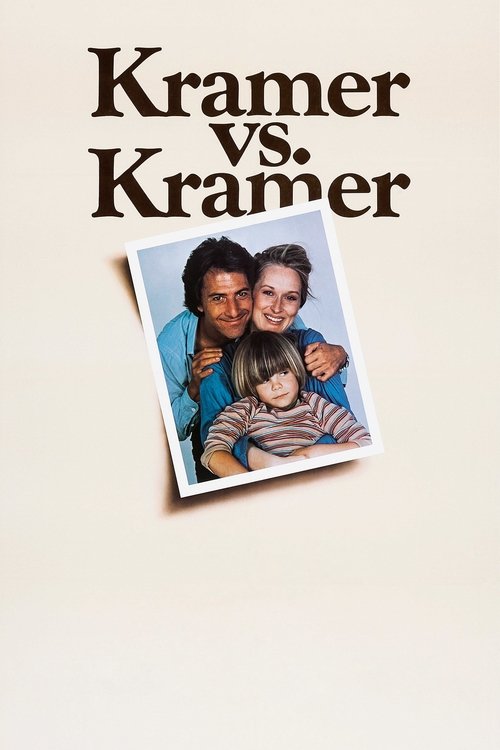
Kramer vs. Kramer - Review
Kramer vs. Kramer: A Timeless Exploration of Divorce
In the annals of cinematic history, few films have captured the raw emotional turmoil and societal shifts surrounding divorce as profoundly as Robert Benton's Kramer vs. Kramer. Released in 1979, this unflinching drama, starring Dustin Hoffman and Meryl Streep, resonated deeply with audiences grappling with changing family dynamics and the evolving roles of men and women. More than just a courtroom battle, Kramer vs. Kramer is a poignant exploration of love, loss, parenthood, and the agonizing choices individuals face when a marriage crumbles. Its impact continues to be felt today, making it a must-see for anyone interested in understanding the human condition in the face of profound personal upheaval. But does it still hold up to today's standards of storytelling and representation? Let's delve into the heart of this classic and find out.
Plot Analysis: The Unraveling and Rebuilding
The film opens with a seemingly idyllic scene: Ted Kramer (Dustin Hoffman), a dedicated advertising executive, returns home after securing a major account. His wife, Joanna (Meryl Streep), however, is far from celebratory. Overwhelmed by years of feeling neglected and unfulfilled, she announces her decision to leave him and their young son, Billy (Justin Henry). This abrupt departure throws Ted's carefully constructed world into complete disarray. He's suddenly thrust into the role of a single parent, ill-equipped to handle the demands of childcare, cooking, and maintaining a household while simultaneously navigating the pressures of his demanding career.
The initial scenes are filled with comedic moments as Ted fumbles through basic parenting tasks. He burns breakfasts, struggles to pick Billy up from school on time, and battles the emotional outbursts of a child struggling to understand his mother's absence. These scenes, however, are not merely for comedic effect; they serve to highlight Ted's initial incompetence and the steep learning curve he faces. He is forced to adapt, to learn, and to grow as a father.
As time passes, Ted and Billy develop a deep and loving bond. They navigate the challenges of single parenthood together, sharing meals, playing games, and confiding in each other. Ted sacrifices his career advancement to prioritize Billy's well-being, demonstrating a profound shift in his values. He becomes the kind of father Joanna always wanted him to be.
However, just as Ted and Billy find a semblance of stability, Joanna returns, seeking to regain custody of her son. She has found herself, established a career in California, and believes she is now ready to be a mother. This sets the stage for the central conflict of the film: a bitter and emotionally draining custody battle that exposes the flaws in the legal system and the devastating impact of divorce on all involved.
The courtroom scenes are particularly powerful, showcasing the lawyers' ruthless tactics and the agonizing choices Ted and Joanna are forced to make. The film doesn't shy away from depicting the ugly realities of divorce, including the financial strain, the emotional manipulation, and the profound sense of loss experienced by both parents and child.
The film culminates in a heartbreaking decision. Despite winning the custody battle, Joanna ultimately decides to leave Billy with Ted, recognizing the deep bond they share and acknowledging that he is the better parent in that particular moment. This ending, while controversial to some, underscores the film's central theme: the importance of prioritizing the child's well-being above all else.
Character Analysis: Complexities and Contradictions
Kramer vs. Kramer excels in its nuanced portrayal of its characters. None of them are presented as purely good or evil; they are all flawed individuals struggling to navigate difficult circumstances.
Ted Kramer (Dustin Hoffman):
Ted is initially portrayed as a workaholic, oblivious to the needs and desires of his wife and son. He is self-centered and emotionally detached, prioritizing his career above all else. However, his transformation throughout the film is remarkable. Forced to confront his own shortcomings, he evolves into a loving and devoted father. Hoffman's performance is masterful, capturing Ted's initial arrogance, his subsequent vulnerability, and his ultimate growth with remarkable authenticity. He is not a perfect father, he makes mistakes, but he learns from them and strives to be better.
Joanna Kramer (Meryl Streep):
Joanna is a complex and controversial character. Initially presented as the "abandoning mother," she is often criticized for leaving her husband and child. However, the film also offers a sympathetic portrayal of her struggles. She is a woman who feels trapped and unfulfilled in her role as a housewife, yearning for independence and self-discovery. Streep's performance is subtle and nuanced, conveying Joanna's inner turmoil and her genuine love for her son. She is not a villain, but a woman making a difficult choice in pursuit of her own happiness. Her return to fight for custody is driven by a desire to be a good mother, albeit one who initially made a decision that appears selfish.
Billy Kramer (Justin Henry):
Billy is the innocent victim of his parents' divorce. He is confused, hurt, and angry by his mother's abandonment. Henry's performance is remarkably natural and believable, capturing the emotional vulnerability of a child caught in the middle of a parental conflict. He serves as the emotional heart of the film, reminding the audience of the devastating impact of divorce on children.
Margaret Phelps (Jane Alexander):
Margaret, Ted's neighbor and friend, is a divorced woman who provides him with support and guidance. She understands the challenges of single parenthood and offers him valuable insights. She is a voice of reason and empathy, reminding Ted that he is not alone in his struggles.
Direction and Cinematography: Intimacy and Realism
Robert Benton's direction is masterful in its subtlety and restraint. He avoids melodrama and instead focuses on creating a realistic and intimate portrayal of the characters' emotional journeys. He allows the actors to shine, giving them the space to explore the complexities of their roles.
The cinematography, by Nestor Almendros, is equally effective. The film's visual style is understated and naturalistic, reflecting the everyday reality of the characters' lives. The use of close-ups is particularly effective in conveying the characters' emotions. Almendros captures the intimacy of their interactions and the pain of their separation with remarkable sensitivity.
The film's visual language mirrors the emotional landscape. The early scenes are often bright and optimistic, reflecting the Kramers' initial happiness. As the marriage crumbles, the color palette becomes more muted and somber, reflecting the characters' growing despair. The use of natural lighting adds to the film's sense of realism.
Performances: A Masterclass in Acting
The performances in Kramer vs. Kramer are nothing short of exceptional. Dustin Hoffman delivers a career-defining performance as Ted Kramer, capturing the character's transformation with remarkable depth and authenticity. Meryl Streep is equally brilliant as Joanna Kramer, conveying the character's inner turmoil with subtle nuance. Justin Henry, as Billy, delivers a remarkably natural and believable performance, capturing the emotional vulnerability of a child caught in the middle of a parental conflict. Jane Alexander provides strong supporting work as Margaret Phelps, offering a voice of reason and empathy.
The chemistry between Hoffman and Streep is palpable, making their on-screen conflict all the more believable and heartbreaking. Their performances are not just technically proficient; they are emotionally resonant, drawing the audience into the characters' struggles and making them care about their fate.
The film's success is largely due to the strength of its performances. The actors bring the characters to life with such authenticity that the audience can't help but empathize with their struggles, even when they disagree with their choices.
Themes and Messages: A Deep Dive into the Human Condition
Kramer vs. Kramer explores a number of important themes, including:
- The Changing Roles of Men and Women: The film reflects the societal shifts of the late 1970s, as women began to challenge traditional gender roles and seek greater independence. Joanna's decision to leave her husband and child is a reflection of this changing landscape. The film also explores the challenges men face in adapting to these changing roles, as Ted is forced to take on the responsibilities of childcare and housekeeping.
- The Impact of Divorce on Children: The film highlights the devastating impact of divorce on children, who are often caught in the middle of their parents' conflict. Billy's emotional vulnerability serves as a reminder of the importance of prioritizing the child's well-being above all else.
- The Importance of Parenthood: The film underscores the importance of both mothers and fathers in a child's life. Ted's transformation into a loving and devoted father demonstrates that men are capable of nurturing and caring for their children. Joanna's decision to leave Billy with Ted, despite winning the custody battle, underscores the importance of prioritizing the child's best interests.
- The Flaws in the Legal System: The film exposes the flaws in the legal system, which often exacerbates the conflict between divorcing parents. The courtroom scenes are particularly powerful, showcasing the lawyers' ruthless tactics and the agonizing choices Ted and Joanna are forced to make.
- The Search for Identity and Fulfillment: Both Ted and Joanna are searching for identity and fulfillment in their lives. Ted finds meaning in his role as a father, while Joanna seeks independence and self-discovery through her career. The film suggests that both are valid pursuits, but that they must be balanced with the needs of their family.
The film's message is ultimately one of hope and resilience. Despite the pain and challenges of divorce, the characters ultimately find a way to move forward and create new lives for themselves. The film suggests that even in the midst of heartbreak, it is possible to find love, happiness, and meaning.
Comparison to Other Films and Works
Kramer vs. Kramer paved the way for many subsequent films that explored the complexities of divorce and single parenthood. Films like Mrs. Doubtfire (1993) and Stepmom (1998) tackled similar themes with a more comedic approach, while films like Marriage Story (2019) offered a more modern and nuanced perspective on the dissolution of a marriage.
Robert Benton's previous work, such as Bonnie and Clyde (1967), also explored themes of societal upheaval and individual rebellion. However, Kramer vs. Kramer is arguably his most personal and emotionally resonant film.
Dustin Hoffman and Meryl Streep have both starred in numerous other films that explore complex human relationships. Hoffman's performance in Rain Man (1988) and Streep's performance in Sophie's Choice (1982) are just two examples of their ability to portray characters with depth and vulnerability.
Positive Aspects and Constructive Criticism
Positive Aspects:
- Powerful and Emotional Storytelling: The film's narrative is gripping and emotionally resonant, drawing the audience into the characters' struggles and making them care about their fate.
- Exceptional Performances: The performances by Dustin Hoffman, Meryl Streep, and Justin Henry are all outstanding, bringing the characters to life with remarkable depth and authenticity.
- Nuanced and Complex Characters: The characters are not presented as purely good or evil; they are all flawed individuals struggling to navigate difficult circumstances.
- Realistic and Intimate Direction: Robert Benton's direction is masterful in its subtlety and restraint, creating a realistic and intimate portrayal of the characters' emotional journeys.
- Thought-Provoking Themes: The film explores a number of important themes, including the changing roles of men and women, the impact of divorce on children, and the importance of parenthood.
Constructive Criticism:
- Joanna's Initial Portrayal: Some critics argue that Joanna is initially presented as a somewhat unsympathetic character, which can make it difficult for the audience to fully understand her motivations. While the film attempts to provide context for her decision to leave, it could have benefited from a more nuanced exploration of her perspective early on.
- The Legal System's Depiction: While the film effectively portrays the flaws in the legal system, some argue that it oversimplifies the complexities of divorce law. The courtroom scenes, while dramatic, may not accurately reflect the reality of custody battles.
- Dated Societal Context: While the film was groundbreaking for its time, some of its themes and representations may feel somewhat dated to modern audiences. The societal expectations placed on women in the 1970s, for example, are different from those of today.
Conclusion and Rating
Kramer vs. Kramer remains a powerful and emotionally resonant film that continues to resonate with audiences today. Its nuanced portrayal of divorce, its exceptional performances, and its thought-provoking themes make it a timeless classic. While some aspects of the film may feel somewhat dated, its exploration of human relationships and the challenges of parenthood remains relevant and compelling.
For its groundbreaking exploration of divorce, its exceptional performances, and its enduring emotional impact, I give Kramer vs. Kramer a rating of 9.5/10.