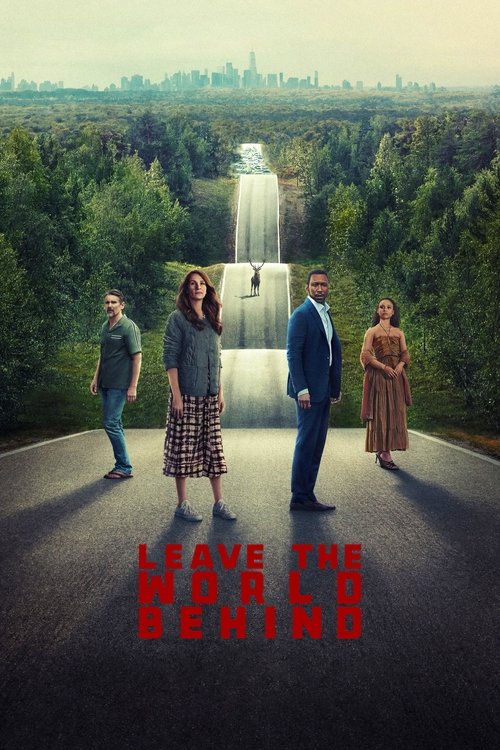
Leave the World Behind - Review
Leave the World Behind: A Chilling Reflection of Modern Anxiety
Sam Esmail, the visionary behind the mind-bending series Mr. Robot, returns with Leave the World Behind, a Netflix film that burrows under your skin and stays there long after the credits roll. Released on November 22, 2023, this psychological thriller, starring Julia Roberts, Ethan Hawke, Mahershala Ali, and Myha'la Herrold, isn't just about a family's weekend getaway gone wrong; it's a haunting exploration of societal fragility, the erosion of trust, and the insidious power of technology. Eschewing jump scares for a pervasive sense of dread, the film crafts a compelling narrative that resonates with the anxieties of our increasingly interconnected, yet paradoxically isolated, world. Prepare to be unsettled, challenged, and left contemplating the true meaning of connection in the face of impending chaos.
Plot: A Slow Burn into the Abyss
The film opens with Amanda Sanford (Julia Roberts), a cynical advertising executive, impulsively booking a luxurious rental home in Long Island for a weekend escape with her husband, Clay (Ethan Hawke), a professor, and their two children, Archie (Charlie Evans) and Rose (Farrah Mackenzie). The initial idyllic atmosphere quickly unravels when a massive oil tanker runs aground on the nearby beach, an event that feels strangely disconnected from any immediate explanation. Later that night, G.H. Scott (Mahershala Ali) and his daughter Ruth (Myha'la Herrold) arrive at the house, claiming to be the owners and seeking shelter from a mysterious blackout that has plunged New York City into darkness.
Suspicion and unease permeate the air. Amanda, instantly distrustful, struggles to reconcile G.H.’s calm demeanor with the escalating signs of a global crisis. Clay, more inclined to empathy, attempts to bridge the racial and socioeconomic divide between the two families. As communication systems collapse, transportation grinds to a halt, and bizarre animal behavior intensifies, the characters are forced to confront not only the external threat but also their own internal prejudices and vulnerabilities. The plot unfolds with a deliberate, almost agonizing, slowness, building tension through unsettling imagery, cryptic clues, and the palpable fear of the unknown. The lack of concrete answers about the cause of the unfolding events is a deliberate choice, mirroring the confusion and disorientation experienced by the characters.
Archie's mysterious illness, triggered by a tick bite, adds another layer of complexity to the narrative. Rose, obsessed with the final episode of Friends, embarks on a desperate search for a working television signal, her innocent desire highlighting the absurdity of clinging to normalcy in the face of existential threat. The film masterfully uses these seemingly disparate elements to create a sense of impending doom, forcing the characters, and the audience, to confront the possibility of complete societal collapse.
Characters: Flawed Mirrors of Ourselves
Leave the World Behind is populated by characters who are deeply flawed and undeniably human. Their reactions to the unfolding crisis, often driven by fear, prejudice, and a desperate need for self-preservation, make them relatable, even when their actions are questionable.
- Amanda Sanford (Julia Roberts): Amanda is perhaps the most complex and initially unlikeable character. Her cynicism and ingrained prejudices are evident from the outset, making it difficult to sympathize with her. However, as the crisis deepens, we witness her struggle to overcome her biases and protect her family. Roberts delivers a nuanced performance, portraying Amanda's vulnerability and her growing awareness of her own shortcomings.
- Clay Sanford (Ethan Hawke): Clay is the antithesis of Amanda, a more empathetic and open-minded individual. He attempts to diffuse the tension between the two families and acts as a voice of reason amidst the chaos. However, his well-meaning attempts are often ineffective, highlighting the limitations of goodwill in the face of systemic issues. Hawke brings his signature charm and understated gravitas to the role, making Clay a believable and relatable figure.
- G.H. Scott (Mahershala Ali): G.H. is a wealthy investment banker who possesses insider knowledge about the impending crisis. He remains calm and collected throughout the film, offering cryptic warnings and attempting to navigate the situation with a sense of pragmatism. Ali delivers a captivating performance, imbuing G.H. with a quiet authority and an underlying sense of dread. His character serves as a conduit for exploring themes of societal inequality and the consequences of unchecked power.
- Ruth Scott (Myha'la Herrold): Ruth is G.H.'s daughter, a young woman who is initially skeptical of Amanda's distrust. She challenges her father's passive approach and actively seeks answers about the unfolding events. Herrold delivers a powerful performance, capturing Ruth's intelligence, resilience, and growing disillusionment.
- Archie Sanford (Charlie Evans): Archie's mysterious illness serves as a catalyst for the characters to confront the potential consequences of the crisis. His vulnerability underscores the fragility of life and the importance of human connection.
- Rose Sanford (Farrah Mackenzie): Rose's obsession with Friends provides a touch of dark humor and highlights the absurdity of clinging to normalcy in the face of existential threat. Her innocent desire to see the final episode underscores the film's themes of escapism and the desire for connection.
The interactions between these characters, particularly Amanda and G.H., are filled with tension and unspoken anxieties. Their contrasting perspectives and backgrounds highlight the deep divisions within society, making the film a powerful commentary on race, class, and the erosion of trust.
Direction and Cinematography: A Masterclass in Tension
Sam Esmail's direction is masterful, creating a pervasive sense of unease and dread through deliberate pacing, unsettling imagery, and a haunting score. The film's visual language is striking, employing long takes, unconventional camera angles, and disorienting perspectives to immerse the audience in the characters' psychological state. The cinematography, by Tod Campbell, is particularly noteworthy. The use of wide shots emphasizes the characters' isolation within the vast landscape, while close-ups capture their growing fear and desperation.
The film's sound design is equally effective, creating a sense of unease through subtle ambient noises and the absence of expected sounds. The sudden silence, punctuated by jarring bursts of noise, amplifies the tension and creates a sense of impending doom. The use of visual effects is restrained but impactful, adding to the film's overall sense of realism and credibility. The oil tanker running aground, the flocks of deer appearing in the backyard, and the eerie red sky all contribute to the film's unsettling atmosphere.
Esmail's signature style, evident in Mr. Robot, is on full display here. He excels at creating a sense of paranoia and unease, blurring the lines between reality and perception. The film's deliberate pacing and lack of clear answers may frustrate some viewers, but it ultimately serves to enhance the overall sense of disorientation and uncertainty.
Performances: A Stellar Ensemble Cast
The performances in Leave the World Behind are uniformly excellent. Julia Roberts delivers a career-defining performance as Amanda, portraying her character's complexity and vulnerability with remarkable depth. Ethan Hawke provides a grounded and empathetic performance as Clay, serving as a counterpoint to Amanda's cynicism. Mahershala Ali is captivating as G.H., imbuing his character with a quiet authority and an underlying sense of dread. Myha'la Herrold shines as Ruth, capturing her intelligence, resilience, and growing disillusionment. The child actors, Charlie Evans and Farrah Mackenzie, also deliver strong performances, adding to the film's overall sense of realism.
The chemistry between the actors is palpable, particularly between Roberts and Ali. Their scenes together are filled with tension and unspoken anxieties, highlighting the deep divisions within society. The actors' ability to convey a wide range of emotions, from fear and distrust to empathy and compassion, makes the film a compelling and emotionally resonant experience.
Themes and Messages: A Reflection of Societal Anxieties
Leave the World Behind is a deeply thematic film, exploring a range of complex and relevant issues. At its core, the film is a commentary on societal fragility and the erosion of trust. The sudden collapse of communication systems and the breakdown of social order highlight our dependence on technology and the potential consequences of its failure. The film also explores themes of race, class, and the impact of systemic inequality. The interactions between the two families, particularly Amanda and G.H., reveal the deep divisions within society and the challenges of overcoming prejudice.
The film also touches upon the theme of escapism. Rose's obsession with Friends represents a desire to escape from the harsh realities of the world, while the family's weekend getaway is an attempt to disconnect from the stresses of modern life. However, the film suggests that true connection and understanding are essential for navigating the challenges of an increasingly complex world. The film also raises questions about the role of government and the responsibility of individuals in the face of crisis. The lack of clear answers about the cause of the unfolding events forces the characters, and the audience, to confront the possibility of complete societal collapse.
Ultimately, Leave the World Behind is a cautionary tale about the dangers of complacency and the importance of critical thinking. It challenges us to question our assumptions, to confront our biases, and to recognize the interconnectedness of our world.
Comparison to Other Films and Works
Leave the World Behind shares thematic similarities with other dystopian thrillers, such as The Road, Contagion, and A Quiet Place. Like these films, it explores the breakdown of societal order and the struggle for survival in the face of overwhelming adversity. However, Leave the World Behind distinguishes itself through its focus on psychological tension and its exploration of complex social issues. The film's deliberate pacing and lack of clear answers are reminiscent of the works of David Lynch, creating a sense of unease and ambiguity that lingers long after the credits roll.
Sam Esmail's previous work, particularly Mr. Robot, is evident in the film's visual style, its exploration of paranoia and conspiracy, and its critique of corporate power. Like Mr. Robot, Leave the World Behind challenges the audience to question the nature of reality and to consider the potential consequences of unchecked technological advancement. Julia Roberts' performance in this film is a departure from her more traditional roles, showcasing her versatility and range as an actress. Her portrayal of Amanda is reminiscent of her work in films like Erin Brockovich, where she played a strong and independent woman fighting against injustice.
Positive Aspects
- Compelling narrative: The film's slow-burn approach creates a pervasive sense of unease and dread, keeping the audience engaged from beginning to end.
- Excellent performances: The ensemble cast delivers stellar performances, bringing depth and complexity to their characters.
- Masterful direction and cinematography: Sam Esmail's direction and Tod Campbell's cinematography create a visually stunning and unsettling experience.
- Thought-provoking themes: The film explores a range of complex and relevant issues, prompting reflection on societal fragility, the erosion of trust, and the impact of technology.
- Haunting score and sound design: The film's score and sound design enhance the overall sense of unease and dread.
Constructive Criticism
- Deliberate pacing: The film's slow-burn approach may frustrate some viewers who prefer a faster-paced thriller.
- Lack of clear answers: The film's ambiguity and lack of concrete answers may leave some viewers feeling unsatisfied.
- Uneven character development: While some characters are well-developed, others feel underdeveloped, particularly the children.
- Predictable elements: Some of the plot points and character arcs are somewhat predictable, diminishing the film's overall impact.
- Reliance on tropes: The film occasionally relies on familiar tropes of the dystopian thriller genre, which can detract from its originality.
Conclusion and Rating
Leave the World Behind is a chilling and thought-provoking film that resonates with the anxieties of our modern world. While its deliberate pacing and lack of clear answers may not appeal to all viewers, its compelling narrative, excellent performances, and masterful direction make it a worthwhile cinematic experience. The film's exploration of societal fragility, the erosion of trust, and the impact of technology is both timely and relevant, prompting reflection on the challenges we face as a society. Despite some minor flaws, Leave the World Behind is a powerful and unsettling film that will stay with you long after the credits roll.
Rating: 8.5/10