There's Still Tomorrow - Review
A Silent Revolution: Reviewing Paola Cortellesi's "There's Still Tomorrow"
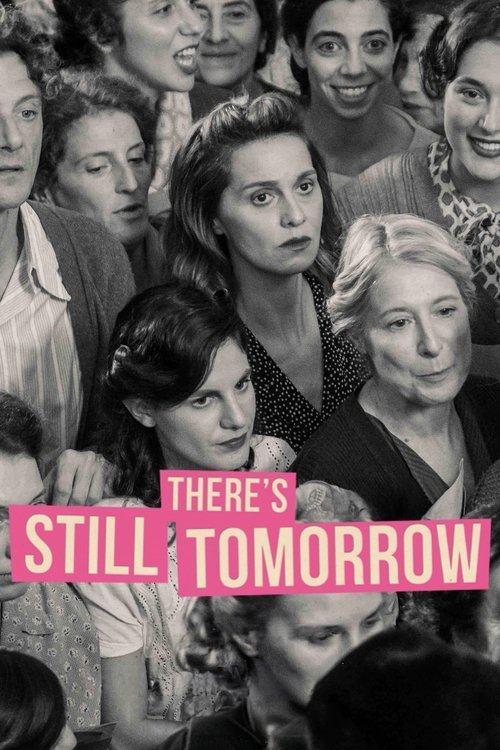
Paola Cortellesi's directorial debut, "There's Still Tomorrow" (C'è ancora domani), isn't just a film; it's a cultural phenomenon. Released in Italy on October 26, 2023, this black-and-white drama, laced with unexpected comedic moments, has captivated audiences and critics alike. Set in postwar Rome, the film tells the story of Delia, a woman trapped in a cycle of domestic abuse, who finds a glimmer of hope for a brighter future. But is the hype justified? Does "There's Still Tomorrow" truly deliver on its promise of a powerful and moving cinematic experience? Let's delve into the depths of this remarkable film.
Plot: A Tapestry of Domesticity and Silent Rebellion
The narrative unfolds with a deceptively simple premise. Delia, played with breathtaking nuance by Cortellesi herself, is the backbone of her family. She works tirelessly, juggling multiple jobs to keep her household afloat. She mends clothes, washes floors, and endures the daily indignities inflicted by her abusive husband, Ivano (Valerio Mastandrea), a man consumed by anger and a sense of entitlement. Their teenage daughter, Marcella (Romana Maggiora Vergano), is engaged to a seemingly well-off young man, Giulio, promising a different future for the family. However, Delia sees the potential for Marcella to fall into a similar trap of subservience and unhappiness.
The arrival of a mysterious letter changes everything. The contents are initially withheld from the audience, creating a palpable sense of anticipation. This letter becomes the catalyst for Delia's quiet rebellion, a slow burn of defiance that culminates in a powerful act of self-assertion. The brilliance of the plot lies in its subtlety. It doesn't rely on grand gestures or dramatic confrontations. Instead, it portrays the insidious nature of domestic abuse, the erosion of a woman's spirit, and the slow, painstaking process of reclaiming one's agency.
The film masterfully weaves together moments of stark realism with touches of surreal humor. The scenes of Ivano's abuse are jarring and uncomfortable, but they are interspersed with moments of levity, such as Delia's interactions with her eccentric father-in-law or her playful banter with Nino, a mechanic who clearly harbors feelings for her. This blend of tones creates a complex and emotionally resonant viewing experience, preventing the film from becoming overly bleak or melodramatic.
Characters: Portraits of Resilience and Oppression
The strength of "There's Still Tomorrow" lies in its richly drawn characters. Delia is not simply a victim; she is a complex and multifaceted woman with dreams, desires, and a deep well of resilience. Cortellesi imbues her with a quiet dignity and strength that is both heartbreaking and inspiring. We see her struggle with her circumstances, but we also see her unwavering love for her daughter and her determination to create a better future for her.
Ivano, on the other hand, is a chillingly realistic portrayal of a patriarchal abuser. Mastandrea delivers a performance that is both terrifying and pathetic. He is not a one-dimensional villain; he is a product of his time and his environment, a man who believes in his right to control and dominate his wife. While the film doesn't attempt to excuse his behavior, it does offer a glimpse into the societal structures that enable and perpetuate such abuse.
Marcella represents the hope for a new generation. She is intelligent and ambitious, but she is also vulnerable and susceptible to the pressures of her social environment. Her engagement to Giulio offers her a chance to escape the poverty and hardship of her family, but it also threatens to trap her in a similar cycle of subservience. Marcella's journey is one of self-discovery, as she gradually becomes aware of the limitations imposed upon women in her society and begins to question the expectations placed upon her.
The supporting characters, such as Delia's friend Marisa and Nino the mechanic, add depth and texture to the narrative. They represent the different possibilities available to Delia, the potential for friendship, love, and a life beyond the confines of her abusive marriage.
Direction and Cinematography: A Black-and-White Masterpiece
Cortellesi's direction is nothing short of remarkable. She handles the sensitive subject matter with grace and empathy, avoiding sensationalism or exploitation. She creates a believable and immersive world, capturing the atmosphere of postwar Rome with stunning accuracy. The decision to shoot the film in black and white is a stroke of genius. It lends the film a timeless quality, evoking the classic Italian neorealist films of the era while also highlighting the stark contrasts between light and shadow, freedom and oppression.
The cinematography, by Davide Leone, is equally impressive. The camera work is unobtrusive, allowing the performances and the story to take center stage. The use of close-ups is particularly effective, capturing the subtle nuances of the actors' expressions and conveying the unspoken emotions that simmer beneath the surface. The composition of the shots is carefully considered, creating a visually stunning and emotionally resonant film.
The film’s editing is also noteworthy. The pacing is deliberate, allowing the story to unfold gradually and organically. The transitions between scenes are seamless, creating a sense of continuity and flow. The use of music is subtle but effective, enhancing the emotional impact of key moments.
Performances: A Triumph of Acting
The performances in "There's Still Tomorrow" are uniformly excellent. Cortellesi delivers a tour-de-force performance as Delia, embodying the character's quiet strength and resilience with remarkable subtlety. Mastandrea is chillingly effective as Ivano, capturing the character's rage and entitlement with chilling accuracy. Romana Maggiora Vergano shines as Marcella, portraying the character's vulnerability and growing awareness with sensitivity and intelligence.
The supporting cast is equally strong, adding depth and texture to the narrative. Giorgio Colangeli is excellent as Delia's father-in-law, a gruff but ultimately kind-hearted man who offers Delia a rare moment of respite from her abusive husband. Emanuela Fanelli is memorable as Marisa, Delia's loyal friend and confidante. Vinicio Marchioni brings charm and warmth to the role of Nino, the mechanic who offers Delia a glimpse of a different kind of love.
Themes and Messages: A Powerful Commentary on Gender Inequality
"There's Still Tomorrow" is more than just a story about domestic abuse; it's a powerful commentary on gender inequality and the struggle for women's rights. The film explores the societal structures and cultural norms that enable and perpetuate abuse, highlighting the limitations imposed upon women in postwar Italy. It challenges the notion that women should be subservient to men and that their primary role is to serve their husbands and families.
The film also celebrates the resilience and strength of women, showcasing their ability to endure hardship and to fight for a better future. Delia's journey is a testament to the power of self-determination and the importance of standing up for one's rights. The film's title, "There's Still Tomorrow," is a message of hope, suggesting that even in the darkest of times, there is always the possibility of a brighter future.
The film also touches upon the themes of poverty, class, and social mobility. Delia's family struggles to make ends meet, highlighting the economic hardships faced by many Italians in the aftermath of World War II. Marcella's engagement to Giulio offers her a chance to escape poverty, but it also raises questions about the true cost of social mobility.
Comparisons and Context: Echoes of the Past, Relevance for the Present
"There's Still Tomorrow" inevitably draws comparisons to classic Italian neorealist films such as Vittorio De Sica's "Bicycle Thieves" and Roberto Rossellini's "Rome, Open City." Like those films, it offers a gritty and realistic portrayal of life in postwar Italy, focusing on the struggles of ordinary people. However, Cortellesi's film distinguishes itself through its focus on the female experience and its exploration of gender inequality.
The film also shares thematic similarities with contemporary works such as Sarah Polley's "Women Talking," which also explores the issue of abuse within a closed community. While "Women Talking" focuses on the aftermath of abuse and the process of healing, "There's Still Tomorrow" focuses on the lived experience of abuse and the struggle for self-assertion.
Cortellesi's previous work as an actress and comedian informs her directorial approach. She brings a sharp wit and a keen understanding of human nature to the film, creating a nuanced and emotionally resonant viewing experience. Her background in comedy allows her to inject moments of levity into the film, preventing it from becoming overly bleak or depressing.
Positive Aspects: A Resounding Success
"There's Still Tomorrow" is a triumph on multiple levels. The plot is engaging and thought-provoking, the characters are richly drawn and relatable, the direction and cinematography are masterful, and the performances are uniformly excellent. The film's themes are timely and relevant, sparking important conversations about gender equality and the struggle for women's rights.
The film's black-and-white aesthetic is a stroke of genius, lending it a timeless quality and enhancing its emotional impact. The use of music is subtle but effective, adding to the overall atmosphere of the film. The pacing is deliberate, allowing the story to unfold gradually and organically.
The film's success in Italy is a testament to its power and resonance. It has resonated with audiences of all ages and backgrounds, sparking a national conversation about domestic abuse and gender inequality. It is a film that is both entertaining and educational, offering a powerful and moving cinematic experience.
Constructive Criticism: Minor Imperfections
While "There's Still Tomorrow" is a remarkable film, it is not without its minor imperfections. Some viewers may find the pacing to be too slow, particularly in the first act. The withholding of information about the letter's contents, while effective in creating suspense, may also frustrate some viewers.
Additionally, the film's ending, while powerful and emotionally resonant, may be seen as somewhat ambiguous. While this ambiguity allows for multiple interpretations, some viewers may prefer a more definitive resolution.
Finally, while the film's comedic moments are effective in providing levity, some viewers may find them to be jarring or out of place, particularly in the context of the film's serious subject matter. However, these are minor quibbles that do not detract significantly from the overall quality of the film.
Conclusion: A Must-See Masterpiece
"There's Still Tomorrow" is a powerful and moving film that deserves all the accolades it has received. Paola Cortellesi has crafted a cinematic masterpiece that is both entertaining and thought-provoking, offering a nuanced and emotionally resonant portrayal of life in postwar Italy and a powerful commentary on gender inequality. The film is a testament to the resilience and strength of women, and a reminder that even in the darkest of times, there is always the possibility of a brighter future.
This is not just a film; it's a cultural statement. It's a conversation starter. It's a reminder of how far we've come, and how much further we still have to go. "There's Still Tomorrow" is a must-see for anyone who cares about social justice, women's rights, and the power of cinema to inspire change.
Rating: 9.5/10