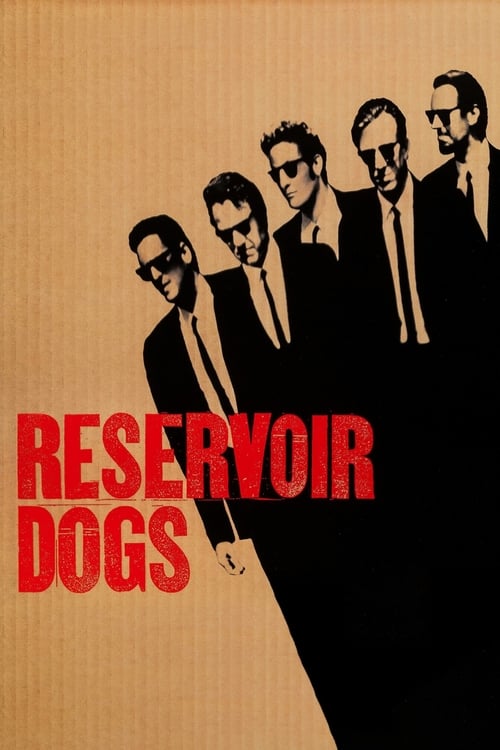
Reservoir Dogs - Review
Reservoir Dogs: A Diamond-Sharp Debut That Still Cuts Deep
Quentin Tarantino's Reservoir Dogs, released in 1992, wasn't just a movie; it was a cultural Molotov cocktail thrown into the stagnant waters of early 90s cinema. More than three decades later, its impact is undeniable. It's a film that redefined independent filmmaking, popularized non-linear storytelling, and established Tarantino as a cinematic force to be reckoned with. Forget diamonds – Reservoir Dogs is a gem in itself, a blood-soaked, dialogue-driven, and endlessly quotable masterpiece that continues to enthrall and provoke discussion.
Plot: A Heist Gone Wrong, Told Right
The brilliance of Reservoir Dogs lies not in its depiction of the heist itself, but in its aftermath. We never see the robbery, a deliberate choice that heightens the tension and focuses our attention on the psychological unraveling of the surviving criminals. The film opens in a diner, with eight men – all dressed in identical black suits and sunglasses – discussing Madonna's "Like a Virgin" and the merits of tipping. This seemingly mundane conversation, peppered with Tarantino's signature wit and pop culture references, establishes the characters and their dynamics before the chaos erupts.
The plot unfolds in a non-linear fashion, jumping between the diner scene, the warehouse where the men regroup after the botched robbery, and flashbacks that slowly reveal the events leading up to the disaster. This fragmented narrative structure keeps the audience guessing, piecing together the puzzle alongside the characters. The central conflict revolves around the suspicion that one of them is a rat, a police informant who sabotaged the heist. As the wounded and paranoid criminals try to uncover the traitor, tensions escalate, loyalties are tested, and violence becomes inevitable.
The warehouse setting becomes a pressure cooker, amplifying the distrust and desperation. Each character is forced to confront their own morality and motivations as they grapple with the consequences of their actions. The absence of the heist itself is a masterstroke, forcing us to focus on the characters' reactions to the situation, rather than the action itself. This allows Tarantino to explore themes of loyalty, betrayal, and the inherent violence that lies beneath the surface of human interaction.
Characters: A Rogues' Gallery of Unforgettable Personalities
Reservoir Dogs boasts an ensemble cast of memorable characters, each with their own distinct personality and motivations. The color-coded names – Mr. White, Mr. Orange, Mr. Blonde, Mr. Pink, Mr. Brown, Mr. Blue – are a brilliant stroke of anonymity, adding to the sense of paranoia and distrust.
- Mr. White (Harvey Keitel): The veteran criminal, fiercely loyal and surprisingly moral. He takes Mr. Orange under his wing and becomes fiercely protective of him, even as suspicion mounts. Keitel delivers a nuanced performance, portraying White as a hardened criminal with a surprising amount of empathy.
- Mr. Orange (Tim Roth): An undercover cop, wounded in the heist and struggling to maintain his cover. Roth's portrayal of Orange's pain and desperation is both compelling and heartbreaking. He's the moral center of the film, forced to confront the consequences of his deception.
- Mr. Blonde (Michael Madsen): The psychopathic parolee, whose unsettling demeanor and penchant for violence make him the most unpredictable and dangerous member of the group. Madsen's performance is iconic, particularly the infamous torture scene set to "Stuck in the Middle With You."
- Mr. Pink (Steve Buscemi): The pragmatic and cynical weasel, obsessed with self-preservation. Buscemi's portrayal of Pink's paranoia and greed is both hilarious and unsettling. He's the voice of reason, albeit a deeply flawed one.
- Nice Guy Eddie (Chris Penn): The son of the mob boss, Joe Cabot, Eddie is arrogant, impulsive, and prone to violence. Penn brings a manic energy to the role, adding to the overall tension of the film.
- Joe Cabot (Lawrence Tierney): The old-school mob boss, Joe is a gruff and intimidating presence. Tierney's performance is understated but effective, conveying the power and authority of a seasoned criminal.
Each character is flawed and complex, making them both believable and compelling. Their interactions are filled with tension, suspicion, and moments of unexpected camaraderie. The color-coded names serve to de-personalize them, highlighting their roles within the criminal enterprise, while their individual personalities shine through, creating a dynamic and engaging ensemble.
Direction: Tarantino's Bold and Uncompromising Vision
Reservoir Dogs is a testament to Tarantino's bold and uncompromising directorial vision. His use of non-linear storytelling, stylized violence, and razor-sharp dialogue revolutionized independent filmmaking. He doesn't shy away from depicting graphic violence, but he also doesn't glorify it. Instead, he uses it to explore the consequences of violence and its impact on the characters.
Tarantino's masterful use of dialogue is one of the film's defining characteristics. The conversations are witty, profane, and often seemingly irrelevant to the plot, but they serve to reveal the characters' personalities and their relationships with each other. He seamlessly blends pop culture references, philosophical musings, and street slang, creating a unique and unforgettable linguistic landscape.
His direction is also notable for its use of long takes, close-ups, and unconventional camera angles. These techniques create a sense of intimacy and immediacy, drawing the viewer into the characters' world. The soundtrack is another key element of Tarantino's style, featuring a mix of classic rock, soul, and funk that perfectly complements the film's tone and atmosphere.
Reservoir Dogs is not a technically perfect film, and its low budget is sometimes evident. However, Tarantino's raw talent and unwavering vision shine through, making it a truly remarkable directorial debut.
Cinematography: Visual Style That Complements the Story
Andrzej Sekuła's cinematography in Reservoir Dogs perfectly complements Tarantino's vision. The film's visual style is gritty and realistic, capturing the claustrophobic atmosphere of the warehouse and the characters' mounting paranoia. The use of color is particularly effective, with the black suits and sunglasses creating a sense of uniformity and anonymity, while the blood-soaked warehouse floor serves as a stark reminder of the violence that has transpired.
The camera work is dynamic and engaging, with frequent use of close-ups to capture the characters' emotions and reactions. The long takes create a sense of realism and immediacy, drawing the viewer into the scene. The use of slow motion is also effective, particularly in the iconic walk scene set to "Little Green Bag," which has become one of the film's most memorable moments.
The cinematography is not flashy or overtly stylized, but it is perfectly suited to the film's tone and themes. It creates a visual world that is both believable and unsettling, enhancing the overall impact of the story.
Performances: An Ensemble Masterclass
The performances in Reservoir Dogs are uniformly excellent, with each actor bringing their own unique talent and energy to their role. Harvey Keitel delivers a career-defining performance as Mr. White, portraying him as a complex and conflicted character with a surprising amount of empathy. Tim Roth is equally impressive as Mr. Orange, capturing the pain and desperation of an undercover cop struggling to maintain his cover. Michael Madsen's portrayal of Mr. Blonde is chillingly effective, making him one of the most memorable villains in cinematic history.
Steve Buscemi shines as Mr. Pink, bringing his signature brand of nervous energy and cynical wit to the role. Chris Penn is perfectly cast as Nice Guy Eddie, adding a manic and unpredictable element to the ensemble. Lawrence Tierney is a commanding presence as Joe Cabot, conveying the power and authority of a seasoned mob boss.
The chemistry between the actors is palpable, creating a sense of realism and authenticity. They play off each other perfectly, creating a dynamic and engaging ensemble that elevates the film to another level.
Themes and Messages: Exploring Loyalty, Betrayal, and Violence
Reservoir Dogs explores a number of complex and challenging themes, including loyalty, betrayal, violence, and the nature of good and evil. The film questions the idea of loyalty, showing how it can be both a strength and a weakness. Mr. White's unwavering loyalty to Mr. Orange ultimately leads to his downfall, while Mr. Pink's self-preservation instincts allow him to survive.
Betrayal is another central theme, with the suspicion that one of the characters is a rat driving the conflict. The film explores the consequences of betrayal, both for the betrayer and the betrayed. The violence in Reservoir Dogs is not gratuitous, but rather a reflection of the characters' world and their inherent capacity for cruelty. The film forces us to confront the ugliness of violence and its impact on the human psyche.
Ultimately, Reservoir Dogs is a morality play, exploring the complexities of human nature and the choices that we make in the face of adversity. It's a film that challenges our assumptions and forces us to question our own beliefs.
Comparison to Other Films and Works
Reservoir Dogs owes a debt to classic heist films like Stanley Kubrick's The Killing (1956) and Jean-Pierre Melville's Le Doulos (1962), which similarly focus on the aftermath of a robbery and the internal conflicts among the criminals. However, Tarantino's film distinguishes itself through its non-linear storytelling, stylized violence, and unique dialogue. It also shares thematic similarities with Akira Kurosawa's Rashomon (1950), which explores the subjectivity of truth through multiple perspectives.
The film's influence can be seen in countless subsequent crime films, including Guy Ritchie's Lock, Stock and Two Smoking Barrels (1998) and Christopher Nolan's Memento (2000). It also established Tarantino's signature style, which he further developed in later films like Pulp Fiction (1994) and Kill Bill (2003-2004). The use of pop culture references, non-linear storytelling, and stylized violence has become a hallmark of Tarantino's work, and Reservoir Dogs serves as the foundation for his distinctive cinematic voice.
Compared to Tarantino's later works, Reservoir Dogs feels rawer and more visceral. It's a less polished film, but its energy and intensity are undeniable. It's a testament to Tarantino's talent that he was able to create such a compelling and influential film on a relatively low budget.
Positive Aspects
- Sharp Dialogue: Tarantino's writing is at its best, with witty, memorable, and quotable lines.
- Ensemble Cast: Each actor delivers a stellar performance, creating a believable and engaging group of criminals.
- Non-Linear Storytelling: The fragmented narrative keeps the audience guessing and adds to the tension.
- Iconic Soundtrack: The music perfectly complements the film's tone and atmosphere.
- Bold Direction: Tarantino's vision is uncompromising and revolutionary.
Constructive Criticism
- Graphic Violence: While not gratuitous, the violence may be disturbing for some viewers.
- Low Budget: The film's low budget is sometimes evident in the production values.
- Pacing: The non-linear structure and heavy reliance on dialogue may feel slow to some viewers.
Conclusion
Reservoir Dogs is a landmark film that redefined independent cinema and launched Quentin Tarantino's career. Its sharp dialogue, memorable characters, non-linear storytelling, and bold direction make it a must-see for any film enthusiast. While the graphic violence may not be for everyone, the film's exploration of loyalty, betrayal, and the nature of violence is both thought-provoking and unsettling. It's a film that stays with you long after the credits roll, prompting discussion and debate. Despite its flaws, Reservoir Dogs remains a diamond-sharp debut that continues to cut deep.