Wonder - Review
Wonder: A Heartfelt Journey of Acceptance and Resilience
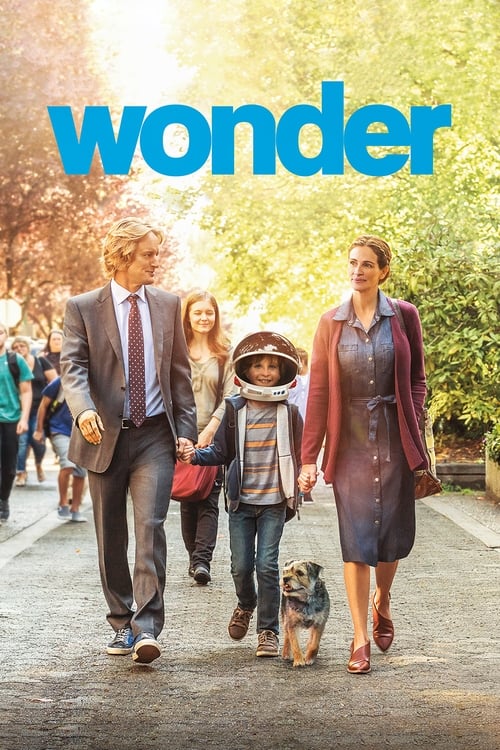
Wonder, released in 2017 and directed by Stephen Chbosky, isn't just another feel-good family film; it's a poignant and powerful exploration of empathy, kindness, and the courage it takes to be different. Based on the beloved novel by R.J. Palacio, the film tells the story of August "Auggie" Pullman, a young boy with Treacher Collins syndrome, who enters mainstream school for the first time after years of homeschooling. Prepare to be moved, challenged, and ultimately uplifted by this story that reminds us of the transformative power of human connection.
Plot Analysis: Navigating the Labyrinth of Middle School
The narrative structure of Wonder is cleverly designed, offering multiple perspectives that enrich the viewing experience beyond Auggie's immediate struggles. While the central plot revolves around Auggie's transition into Beecher Prep and his attempts to navigate the treacherous social landscape of fifth grade, the film also dedicates significant screen time to the experiences of his family and friends. This multifaceted approach allows us to understand the ripple effect of Auggie's condition and the challenges faced by those closest to him.
The film opens with Auggie's anxiety about starting school. He's been sheltered and protected by his loving parents, Isabel and Nate, but they recognize that he needs to broaden his horizons and experience the world outside their home. The initial scenes depict the awkwardness and cruelty Auggie encounters from his classmates, who stare, whisper, and even avoid touching him. He faces bullying, exclusion, and the painful realization that he's perceived as "different."
As the story progresses, we see Auggie gradually find his footing. He makes friends, particularly with Summer, a kind and compassionate girl who sits with him at lunch on the first day, and Jack Will, a classmate who initially befriends him out of obligation but eventually forms a genuine bond. These friendships are crucial to Auggie's emotional growth and provide him with the support he needs to overcome the challenges he faces.
The subplot involving Via, Auggie's older sister, adds another layer of emotional depth to the film. Via feels overlooked and neglected, often overshadowed by Auggie's medical needs and the attention he receives. She craves her parents' undivided attention and struggles to find her own identity. Her storyline explores the complexities of sibling relationships and the sacrifices made by family members of children with special needs.
The narrative culminates in a heartwarming resolution where Auggie is recognized for his courage, kindness, and resilience. He receives the Henry Ward Beecher Medal, an award given to the student who exemplifies the qualities of character and citizenship. The film ends on a hopeful note, suggesting that Auggie's presence has transformed the school community and fostered a greater understanding and acceptance of differences.
Character Analysis: A Symphony of Human Emotions
Wonder boasts a cast of well-developed and relatable characters, each with their own unique struggles and motivations. The film's strength lies in its ability to portray these characters with nuance and empathy, allowing the audience to connect with them on a deeply emotional level.
August "Auggie" Pullman (Jacob Tremblay)
Auggie is the heart and soul of the film. Jacob Tremblay delivers a remarkable performance, capturing Auggie's vulnerability, intelligence, and unwavering spirit. Despite the challenges he faces, Auggie remains optimistic and determined to live a normal life. He's a complex character, capable of both frustration and forgiveness. Tremblay's portrayal avoids sentimentality, instead presenting Auggie as a realistic and relatable young boy.
Isabel Pullman (Julia Roberts)
Isabel, Auggie's mother, is a pillar of strength and unwavering support. Julia Roberts brings a warmth and authenticity to the role, portraying Isabel as a fiercely protective and loving mother who has dedicated her life to caring for Auggie. She's also a complex character, grappling with her own unfulfilled dreams and the sacrifices she's made for her family. Roberts effectively conveys Isabel's emotional journey, from her initial anxieties about sending Auggie to school to her ultimate pride in his accomplishments.
Nate Pullman (Owen Wilson)
Nate, Auggie's father, provides comic relief and a sense of normalcy to the family dynamic. Owen Wilson brings his signature charm to the role, portraying Nate as a supportive and playful father who loves to make Auggie laugh. He's also a source of wisdom and encouragement, reminding Auggie to embrace his uniqueness and not let others define him. Wilson's performance balances humor and heart, making Nate a relatable and endearing character.
Via Pullman (Izabela Vidovic)
Via, Auggie's older sister, is often overlooked but plays a crucial role in the story. Izabela Vidovic delivers a nuanced performance, capturing Via's feelings of isolation and her desire for attention. She's a compassionate and supportive sister to Auggie, but she also struggles with her own insecurities and the feeling that she's living in his shadow. Vidovic effectively portrays Via's emotional journey, from her initial resentment to her eventual acceptance of her role in the family.
Summer (Millie Davis) and Jack Will (Noah Jupe)
Summer and Jack Will are Auggie's friends who show incredible kindness and loyalty. Millie Davis portrays Summer as a genuinely compassionate and non-judgmental friend. Noah Jupe delivers a compelling performance as Jack Will, showcasing his initial reluctance and eventual genuine friendship with Auggie. Both characters demonstrate the power of empathy and the importance of looking beyond appearances.
Direction and Cinematography: Visual Storytelling at its Finest
Stephen Chbosky's direction is sensitive and assured, creating a film that is both emotionally resonant and visually appealing. He skillfully balances the lighthearted moments with the more serious themes, ensuring that the film never becomes overly sentimental or preachy. Chbosky's experience as a novelist and screenwriter is evident in the film's well-paced narrative and its focus on character development.
The cinematography, by Don Burgess, is warm and inviting, creating a sense of intimacy and connection between the characters and the audience. The film's visual style is understated but effective, using close-ups to capture the characters' emotions and wide shots to showcase the beauty of the natural world. The use of light and color is particularly noteworthy, creating a visually appealing and emotionally evocative atmosphere.
The film's makeup and prosthetic design, particularly the work on Jacob Tremblay to create Auggie's facial differences, is remarkable. It's realistic and respectful, avoiding caricature and allowing Tremblay's performance to shine through. The makeup department deserves significant credit for creating a believable and sympathetic portrayal of Auggie's condition.
Themes and Messages: A Tapestry of Human Values
Wonder is a film rich in themes and messages, exploring the complexities of human nature and the importance of empathy, kindness, and acceptance. The film's central theme is the power of kindness to transform individuals and communities. Auggie's experiences at Beecher Prep demonstrate how even small acts of kindness can make a significant difference in someone's life. The film encourages viewers to look beyond appearances and to see the inherent worth in every individual.
Another important theme is the importance of embracing differences. Auggie's facial differences make him an outsider, but they also make him unique and special. The film celebrates diversity and encourages viewers to appreciate the beauty of individuality. It challenges viewers to confront their own biases and to learn to accept and celebrate those who are different from them.
The film also explores the themes of family, friendship, and resilience. Auggie's family provides him with unwavering love and support, helping him to navigate the challenges he faces. His friendships with Summer and Jack Will demonstrate the importance of loyalty and compassion. Auggie's resilience in the face of adversity is an inspiration to viewers, reminding them that they can overcome any obstacle with courage and determination.
Finally, Wonder touches upon the theme of perspective. By showing the story from multiple points of view, the film encourages viewers to consider the experiences of others and to develop a greater understanding of their perspectives. It reminds us that everyone is fighting their own battles and that empathy and compassion are essential for building strong and healthy relationships.
Comparisons: Standing Out in a Crowd of Similar Stories
Wonder shares thematic similarities with other films that explore themes of disability, acceptance, and overcoming adversity. Films like The Elephant Man (1980), Mask (1985), and My Left Foot (1989) also feature characters with physical differences who face prejudice and discrimination. However, Wonder distinguishes itself through its focus on a younger protagonist and its more optimistic and heartwarming tone.
Compared to other family dramas, such as The Blind Side (2009) or Extremely Loud & Incredibly Close (2011), Wonder feels more grounded and authentic. It avoids the melodramatic tendencies of some family films and instead focuses on the nuances of human relationships and the complexities of everyday life.
Stephen Chbosky's previous directorial work, The Perks of Being a Wallflower (2012), also explores themes of adolescence, identity, and belonging. Both films feature sensitive and empathetic portrayals of young people struggling to find their place in the world. However, Wonder is arguably more accessible and universally appealing, making it a more commercially successful film.
Positive Aspects: A Triumph of Empathy and Hope
Wonder is a film that excels in several key areas. The performances are uniformly excellent, with Jacob Tremblay delivering a truly remarkable and unforgettable portrayal of Auggie Pullman. The supporting cast, including Julia Roberts, Owen Wilson, and Izabela Vidovic, also shines, bringing depth and complexity to their respective roles.
The film's screenplay is well-written and emotionally resonant, capturing the essence of R.J. Palacio's novel. The dialogue is natural and authentic, and the pacing is well-managed, allowing the story to unfold at a satisfying pace. The film's use of multiple perspectives is particularly effective, adding depth and complexity to the narrative.
The film's message of kindness, acceptance, and resilience is both timely and important. In a world often characterized by division and negativity, Wonder offers a hopeful and uplifting vision of human potential. It reminds us that even small acts of kindness can make a big difference and that everyone deserves to be treated with respect and compassion.
Constructive Criticism: Areas for Improvement
While Wonder is a generally well-made and emotionally satisfying film, it is not without its flaws. Some critics have argued that the film is overly sentimental and that it relies too heavily on clichés. While the film certainly has its moments of sentimentality, it generally avoids becoming overly saccharine or manipulative.
Another criticism is that the film's portrayal of bullying is somewhat sanitized. While Auggie certainly faces challenges, the film doesn't fully explore the darker aspects of bullying and its long-term effects. A more nuanced and realistic portrayal of bullying could have added greater depth and complexity to the film.
Additionally, while the film does a good job of exploring the perspectives of Auggie's family and friends, it could have delved deeper into the motivations of some of the antagonists. Understanding the reasons behind their behavior could have added another layer of complexity to the narrative and made the film even more thought-provoking.
Finally, the film's ending, while heartwarming, feels somewhat predictable and formulaic. A more surprising or unconventional ending could have left a more lasting impression on viewers.
Conclusion: A Must-See for the Whole Family
Despite its minor flaws, Wonder is a powerful and moving film that is sure to resonate with audiences of all ages. It's a story about kindness, acceptance, and the courage to be different. It's a reminder that everyone deserves to be treated with respect and compassion and that even small acts of kindness can make a big difference in the world.
Wonder is a film that will make you laugh, cry, and ultimately feel good about humanity. It's a must-see for the whole family and a reminder that the world needs more kindness and understanding. Stephen Chbosky has crafted a truly special film that will stay with you long after the credits roll.
Rating: 9/10