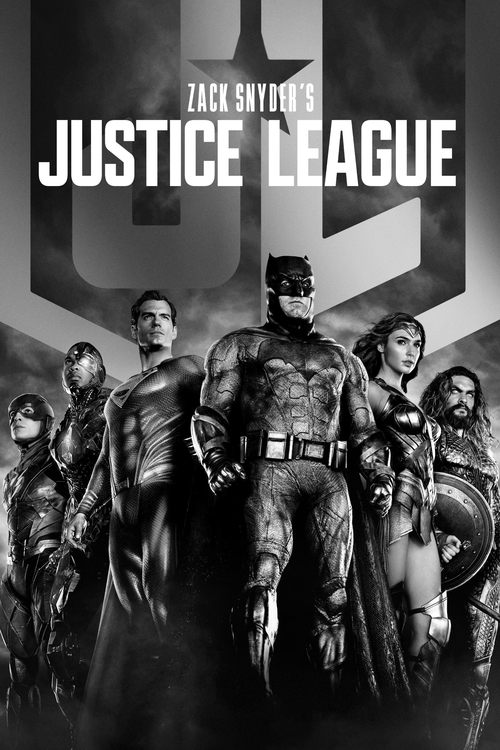
Zack Snyder's Justice League - Review
Zack Snyder's Justice League: A Redemption Story Etched in Stone
The legend. The myth. The four-hour cut. Zack Snyder's Justice League, affectionately dubbed the "Snyder Cut," arrived on HBO Max like a thunderclap, a direct response to years of fan clamoring and a testament to the power of online movements. But is it simply a longer version of the theatrical cut, or a truly distinct and superior cinematic experience? The answer, as with most things Snyder, is complex, layered, and undeniably divisive. Prepare to dive deep into the trenches of Apokolips as we dissect this behemoth of a superhero film, exploring its triumphs, its shortcomings, and its ultimate impact on the DC Extended Universe.
Plot: A Slow Burn with a Fiery Payoff
The narrative core of Zack Snyder's Justice League remains largely the same as the theatrical cut: in the wake of Superman's death, Bruce Wayne, haunted by premonitions and guilt, seeks to assemble a team of metahumans to defend Earth from an impending invasion led by Steppenwolf, a lieutenant of the tyrannical Darkseid. However, the execution is vastly different. The Snyder Cut allows the plot to breathe, meticulously developing each character's backstory and motivations. The pacing, while undeniably deliberate, allows for a more organic and emotionally resonant journey.
The film is structured into six distinct parts, each acting as a chapter in a larger narrative. This episodic structure, while adding to the runtime, allows for a more focused exploration of specific characters and plot threads. We delve deeper into the origins of Cyborg, Aquaman, and the Flash, understanding their reluctance to join the Justice League and witnessing their eventual acceptance of their destinies. The resurrection of Superman is handled with more gravitas and thematic resonance, highlighting the sacrifice he made and the hope he represents.
One of the most significant improvements is the expanded role of Steppenwolf. No longer a generic CGI villain, he is presented as a complex and tragic figure, driven by fear of Darkseid and a desperate desire for redemption. His motivations are clearer, his actions more understandable, and his ultimate fate more impactful. The inclusion of Darkseid himself, albeit in a limited capacity, adds a palpable sense of dread and foreshadows the larger cosmic conflict to come.
Criticism: While the expanded plot offers greater depth, it also suffers from pacing issues. The film occasionally meanders, lingering on scenes that, while visually stunning, don't necessarily advance the narrative. The reliance on slow-motion, a Snyder signature, can become repetitive and detract from the overall momentum. Some plot points, such as the Knightmare sequence, feel somewhat disconnected from the main narrative, although they hint at future storylines that may never be realized.
Characters: More Than Just Superpowers
The Snyder Cut excels in its character development, transforming the Justice League from a collection of archetypes into fully realized individuals with their own flaws, strengths, and motivations. Each member is given ample screen time to explore their personal struggles and contribute to the team dynamic.
- Batman (Ben Affleck): Affleck's Batman is a weary and guilt-ridden figure, haunted by his past mistakes and driven by a desperate need to atone for his actions. He is no longer the brooding loner of Batman v Superman, but a leader who is willing to trust and rely on others.
- Wonder Woman (Gal Gadot): Gadot's Wonder Woman remains a beacon of hope and compassion, but she is also shown grappling with the weight of her immortality and the loss of her loved ones. Her wisdom and strength are essential to the formation of the Justice League.
- Superman (Henry Cavill): Cavill's Superman is resurrected with a renewed sense of purpose and a deeper understanding of his role as a symbol of hope. His struggle to regain his memories and reconcile his past with his present is a compelling emotional arc.
- Cyborg (Ray Fisher): Cyborg is arguably the heart of the Snyder Cut. His origin story is explored in detail, showcasing his tragic transformation and his struggle to control his newfound powers. Fisher's performance is powerful and emotionally resonant, making Cyborg a truly sympathetic and relatable character.
- Aquaman (Jason Momoa): Momoa's Aquaman is given more depth and complexity, showcasing his internal conflict between his Atlantean heritage and his connection to the surface world. His reluctant acceptance of his destiny as king of Atlantis is a compelling subplot.
- The Flash (Ezra Miller): Miller's Flash remains the comic relief, but he is also given moments of genuine heroism and vulnerability. His powers are showcased in innovative and visually stunning ways, making him a valuable asset to the team.
Criticism: While the character development is generally strong, some characters still feel underdeveloped. Aquaman's backstory, while expanded, could have benefited from more screen time. The romantic subplot between Lois Lane and Martha Kent, while intended to be poignant, feels somewhat awkward and unnecessary. The lack of interaction between certain characters, such as Wonder Woman and Cyborg, is a missed opportunity to explore potentially interesting dynamics.
Direction: A Vision Realized
Zack Snyder's Justice League is undeniably a Zack Snyder film. His signature visual style is on full display, from the stylized action sequences to the operatic score to the deliberate pacing. However, unlike some of his previous works, the Snyder Cut feels more focused and coherent, a testament to his unwavering vision and his commitment to bringing his original vision to life.
Snyder's direction is characterized by a strong sense of visual storytelling. He uses slow-motion effectively to emphasize key moments and create a sense of heightened drama. The action sequences are meticulously choreographed and visually stunning, showcasing the unique powers of each member of the Justice League. The film's darker tone and mature themes are consistent with Snyder's previous work, but they are handled with more nuance and sensitivity.
The film's direction is also notable for its use of symbolism and mythology. Snyder draws heavily from Greek and Roman mythology, as well as Christian iconography, to create a rich and layered narrative. The film is filled with visual motifs and symbolic imagery that add depth and meaning to the story.
Criticism: Snyder's visual style is not for everyone. His reliance on slow-motion and stylized action can be divisive, and some viewers may find it distracting or repetitive. The film's darker tone may also alienate some viewers who prefer a more lighthearted and optimistic approach to superhero films. The length of the film is also a significant barrier to entry for some viewers.
Cinematography: A Feast for the Eyes
The cinematography of Zack Snyder's Justice League is breathtaking. Fabian Wagner, who also worked on Game of Thrones, creates a visually stunning world that is both epic and intimate. The film is shot in a 4:3 aspect ratio, which, while initially jarring, ultimately adds to the film's unique visual identity and allows for a more immersive viewing experience on certain displays.
Wagner's use of light and shadow is masterful, creating a sense of depth and atmosphere. The film is filled with striking visual compositions and memorable images that linger long after the credits roll. The visual effects are also significantly improved compared to the theatrical cut, making the action sequences more believable and impactful.
The film's color palette is generally muted and desaturated, reflecting the darker tone of the narrative. However, there are moments of vibrant color that stand out and emphasize key emotional beats. The use of visual effects to create the alien worlds of Apokolips and Atlantis is particularly impressive.
Criticism: The 4:3 aspect ratio, while intentional, may be a deal-breaker for some viewers. It can feel claustrophobic and limit the scope of certain scenes. The film's darker color palette may also be off-putting to some viewers who prefer a more vibrant and colorful aesthetic. Some of the visual effects, while improved, still look somewhat unfinished in certain scenes.
Performances: A League of Extraordinary Actors
The performances in Zack Snyder's Justice League are universally strong, with each actor bringing their A-game to their respective roles. The cast chemistry is palpable, and the actors clearly invested in their characters and the story.
- Ben Affleck: Affleck delivers a nuanced and compelling performance as Batman, showcasing his vulnerability and his leadership qualities.
- Gal Gadot: Gadot embodies the strength, grace, and compassion of Wonder Woman, making her a truly inspiring figure.
- Henry Cavill: Cavill's performance as Superman is more nuanced and emotionally resonant than in previous films, showcasing his struggle to reconcile his past with his present.
- Ray Fisher: Fisher delivers a breakout performance as Cyborg, bringing depth and vulnerability to a character that was largely sidelined in the theatrical cut.
- Jason Momoa: Momoa brings his signature charisma and physicality to the role of Aquaman, adding depth and complexity to the character.
- Ezra Miller: Miller provides much-needed comic relief as the Flash, but he also delivers moments of genuine heroism and vulnerability.
- Ciarán Hinds: Hinds delivers a surprisingly nuanced performance as Steppenwolf, making him a more sympathetic and relatable villain.
Criticism: Some of the supporting performances, such as Amber Heard as Mera, feel somewhat underdeveloped. The dialogue, while generally improved, can still be clunky and exposition-heavy at times. The romantic chemistry between some of the characters, such as Batman and Wonder Woman, feels forced and unconvincing.
Themes and Messages: Hope in the Face of Darkness
Zack Snyder's Justice League explores several complex themes and messages, including hope, redemption, sacrifice, and the importance of unity. The film argues that even in the darkest of times, hope can still prevail. The Justice League represents a beacon of hope for a world that has lost its way, a reminder that even ordinary people can achieve extraordinary things when they work together.
The film also explores the theme of redemption. Several characters, including Batman and Steppenwolf, are seeking to atone for their past mistakes and find redemption. The film suggests that redemption is possible, even for those who have committed terrible acts.
Sacrifice is another key theme. Superman's sacrifice is the catalyst for the formation of the Justice League, and his willingness to put himself in harm's way to protect others is a central tenet of his character. The film suggests that true heroism requires sacrifice.
Finally, the film emphasizes the importance of unity. The Justice League is a diverse group of individuals with different backgrounds and perspectives, but they are united by a common goal: to protect the world from evil. The film suggests that unity is essential to overcoming adversity.
Comparison to Other Films
It's impossible to discuss Zack Snyder's Justice League without comparing it to the theatrical cut directed by Joss Whedon. The Snyder Cut is a vastly superior film in almost every way. It is more coherent, more emotionally resonant, and more visually stunning. The characters are better developed, the plot is more engaging, and the action sequences are more impactful.
The Snyder Cut also stands in stark contrast to the lighter and more comedic tone of other superhero films, such as those in the Marvel Cinematic Universe. Snyder's film is darker, more mature, and more philosophical. It is a film that takes itself seriously and explores complex themes and messages.
Compared to Snyder's previous DC films, such as Man of Steel and Batman v Superman, the Snyder Cut feels more focused and coherent. It is a culmination of his vision for the DC Extended Universe, a testament to his unwavering commitment to bringing his original ideas to life.
Positive Aspects
- Expanded plot and character development
- Improved visual effects and cinematography
- Strong performances from the entire cast
- A more coherent and emotionally resonant narrative
- A fitting conclusion to Snyder's vision for the DCEU (at least, as it existed then)
Constructive Criticism
- Excessive runtime and pacing issues
- Reliance on slow-motion can be repetitive
- The 4:3 aspect ratio may be off-putting to some viewers
- Some visual effects still look unfinished
- The film's darker tone may not appeal to all audiences
Conclusion
Zack Snyder's Justice League is a flawed but ultimately triumphant film. It is a testament to the power of fan movements and a vindication of Snyder's vision for the DC Extended Universe. While the film's length and darker tone may not appeal to all viewers, it is undeniable that it is a vast improvement over the theatrical cut. The Snyder Cut is a complex, layered, and visually stunning superhero film that is sure to spark debate and discussion for years to come. It’s a film that demands your attention, rewards your patience, and leaves you pondering the nature of heroism, sacrifice, and the enduring power of hope.