“The Shorts” by Aldo, Giovanni and Giacomo - Review
Review: "I Corti" (1996) - Aldo, Giovanni & Giacomo's Hilarious Stage Debut
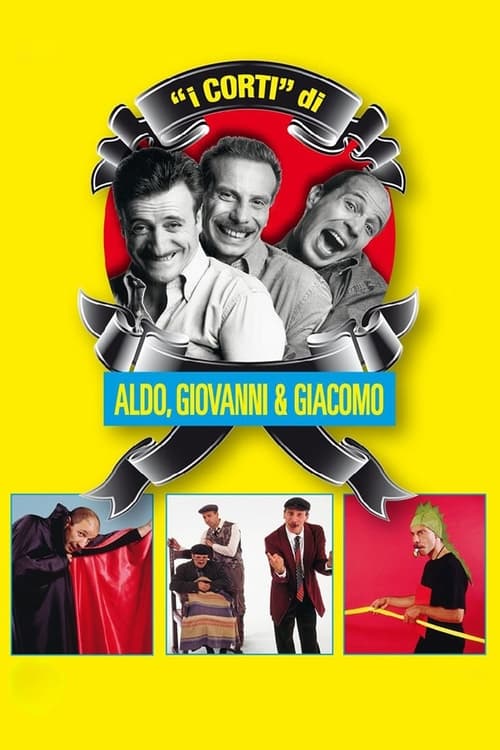
Before they conquered the Italian box office with films like "Tre Uomini e una Gamba" and "Chiedimi se sono Felice," Aldo, Giovanni & Giacomo, along with the brilliant Marina Massironi, were already captivating audiences on stage. Their debut stage show, I Corti (The Shorts), recorded live at the Teatro Nuovo in Ferrara in March 1996, offers a raw, unfiltered glimpse into the comedic genius that would soon become a national treasure. More than just a collection of sketches, I Corti is a masterclass in observational humor, character-driven comedy, and the delightful absurdity of everyday life. Get ready to laugh, because this is where the magic began.
Plot and Structure: A Whirlwind of Wacky Scenarios
I Corti, as the name suggests, is structured as a series of short, self-contained sketches. There's no overarching plot tying them together, but rather a thematic consistency in their exploration of human foibles, societal quirks, and the awkwardness of social interactions. The sketches range in length and subject matter, from a hilariously inept trio attempting a bank robbery to a painfully relatable scene of trying to decipher the instructions for a complicated appliance. The beauty of this format lies in its rapid-fire delivery of comedic situations. Just when one joke lands, another is already in the works, keeping the audience constantly engaged and entertained.
The pacing is expertly managed. The sketches are varied enough to prevent monotony, and the transitions are seamless, often facilitated by simple set changes or musical interludes. While some sketches are stronger than others, the overall quality is remarkably consistent, a testament to the trio's writing prowess and performance skills. The lack of a traditional narrative allows for a greater focus on character development and comedic timing, both of which are hallmarks of Aldo, Giovanni & Giacomo's work.
Character Analysis: Archetypes of Absurdity
Aldo, Giovanni, and Giacomo, along with Marina Massironi, are masters of creating instantly recognizable and relatable characters, albeit exaggerated to comedic extremes. Each member of the trio brings a distinct persona to the table. Aldo Baglio often plays the role of the well-meaning but dim-witted everyman, prone to misunderstandings and physical comedy. Giovanni Storti embodies the intellectual and often exasperated straight man, constantly trying to maintain order in the face of chaos. Giacomo Poretti is the unpredictable wildcard, a source of constant disruption and offbeat humor.
Marina Massironi, a crucial component of the group's early success, shines as the voice of reason, often playing characters who are exasperated by the antics of the trio. Her deadpan delivery and impeccable comedic timing perfectly complement the trio's more physical and outlandish humor. She's not just a foil; she's an integral part of the comedic equation, adding depth and nuance to the sketches.
The strength of their characters lies in their relatability. We see glimpses of ourselves and the people we know in their exaggerated flaws and quirks. The bank robbers, for example, are not hardened criminals, but rather a group of bumbling amateurs who are more likely to trip over themselves than successfully pull off a heist. The frustrated customer trying to assemble furniture is a universal experience, amplified to hilarious proportions.
Direction and Cinematography: Capturing the Stage Magic
Arturo Brachetti's stage direction is simple yet effective. He understands that the focus should be on the performers and their comedic timing. The set design is minimal, relying on props and costumes to create the necessary atmosphere for each sketch. The lighting is straightforward, ensuring that the actors are always clearly visible. The direction prioritizes clarity and allows the comedy to shine through without unnecessary distractions.
The cinematography, while limited by the constraints of a live stage recording, is well-executed. The camera angles are varied enough to maintain visual interest, and the editing is tight, ensuring that the pace of the show remains brisk. The camerawork effectively captures the energy of the live performance and allows the audience to feel like they are right there in the theater.
It's important to remember that I Corti is a recording of a stage show, not a cinematic masterpiece. The focus is on capturing the live performance, rather than creating a visually stunning film. However, the direction and cinematography are competent and effectively convey the comedic essence of the show.
Performances: A Comedic Symphony
The performances in I Corti are nothing short of spectacular. Aldo, Giovanni, and Giacomo are at the peak of their comedic powers, showcasing their impeccable timing, physical comedy skills, and ability to create believable and hilarious characters. Their chemistry is undeniable, and their interactions are a joy to watch.
Marina Massironi's contribution cannot be overstated. Her deadpan delivery and sharp wit provide the perfect counterpoint to the trio's more outlandish antics. She is a master of understated comedy, and her presence elevates the entire show.
The success of I Corti lies in the performers' ability to connect with the audience. They are not just reciting lines; they are embodying their characters and bringing them to life with passion and energy. The audience's laughter is a testament to their comedic brilliance.
Themes and Messages: Finding Humor in the Mundane
While primarily a comedy show, I Corti touches upon several underlying themes. One prominent theme is the absurdity of everyday life. The sketches often highlight the mundane tasks and social interactions that we all experience, but exaggerate them to comedic extremes, revealing the inherent silliness of our daily routines.
Another theme is the importance of friendship and teamwork. Despite their constant bickering and misunderstandings, Aldo, Giovanni, and Giacomo ultimately rely on each other to navigate the challenges they face. Their camaraderie is evident throughout the show, and their ability to work together, despite their differences, is a key element of their comedic success.
The show also subtly critiques societal norms and expectations. The characters often find themselves struggling to conform to societal pressures, and their attempts to do so often result in hilarious mishaps. This subtle critique adds a layer of depth to the comedy and invites the audience to question the absurdity of some of the rules and expectations that govern our lives.
Comparison to Other Works: A Foundation for Future Success
I Corti can be seen as a precursor to Aldo, Giovanni & Giacomo's later films and stage shows. Many of the comedic themes and character archetypes that they would later explore in greater detail are present in this early work. For example, the theme of friendship and teamwork is central to their film "Tre Uomini e una Gamba," while the character of the well-meaning but dim-witted everyman is a recurring motif throughout their filmography.
Compared to their later films, I Corti is rawer and less polished. It lacks the cinematic flair and narrative complexity of their feature-length works. However, it also possesses a certain energy and spontaneity that is sometimes missing from their more polished productions. The live performance aspect adds a unique dimension to the comedy, creating a more intimate and engaging experience for the audience.
In terms of comedic style, I Corti shares similarities with other Italian comedy troupes, such as those of Giorgio Gaber or earlier works by Roberto Benigni. However, Aldo, Giovanni & Giacomo's unique blend of physical comedy, wordplay, and character-driven humor sets them apart from their contemporaries. Their ability to create relatable and hilarious characters, combined with their impeccable comedic timing, has made them one of the most beloved comedy groups in Italy.
Positive Aspects: A Masterclass in Comedy
- Impeccable Comedic Timing: Aldo, Giovanni & Giacomo, and Marina Massironi, demonstrate masterful comedic timing throughout the show. Their ability to deliver punchlines with precision and create hilarious physical gags is truly impressive.
- Relatable Characters: The characters are exaggerated but relatable, allowing the audience to connect with their struggles and foibles.
- Fast-Paced and Engaging: The short sketch format keeps the show moving at a brisk pace, ensuring that the audience is constantly entertained.
- Strong Chemistry: The chemistry between the performers is undeniable, creating a dynamic and engaging performance.
- Observational Humor: The show's humor is rooted in everyday observations, making it accessible and relatable to a wide audience.
Constructive Criticism: Room for Growth
- Uneven Sketch Quality: While most of the sketches are strong, some are less memorable than others. A more rigorous selection process could have further elevated the overall quality of the show.
- Limited Production Value: The production value is limited by the constraints of a live stage recording. While this is understandable, a more visually dynamic presentation could have enhanced the viewing experience.
- Potential for Deeper Exploration of Themes: While the show touches upon several underlying themes, it could have explored them in greater depth. A more nuanced approach to these themes could have added another layer of depth to the comedy.
Conclusion: A Hilarious and Enduring Legacy
I Corti is a testament to the comedic genius of Aldo, Giovanni & Giacomo and Marina Massironi. It's a raw, unfiltered glimpse into the comedic sensibility that would soon make them household names in Italy. While it may lack the polish of their later works, it possesses a certain energy and spontaneity that is truly captivating. The show is a masterclass in observational humor, character-driven comedy, and the delightful absurdity of everyday life. If you're a fan of Italian comedy, or simply looking for a good laugh, I Corti is a must-see.
Rating: 8.5/10