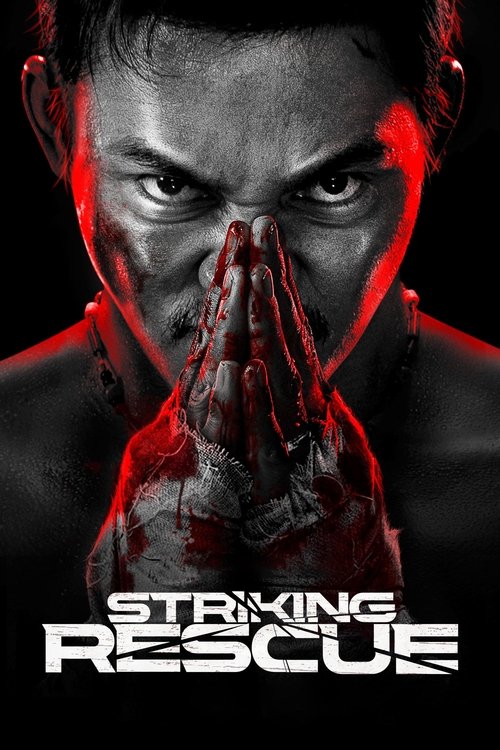
Striking Rescue - Review
Striking Rescue: A Brutal Ballet of Revenge - A Comprehensive Review
Striking Rescue, the action-crime-thriller that landed in theaters on December 5th, 2024, isn't just another revenge flick. It's a visceral, bone-crunching exploration of grief, justice, and the devastating consequences of violence. From the opening scene, a serene depiction of family life shattered by unimaginable brutality, the film grips you and refuses to let go. While it occasionally stumbles in its narrative complexity, the sheer force of its action sequences and the compelling performance of its lead, Kai Thanakorn, make it a noteworthy entry in the action genre.
Plot: A Trail of Broken Bones and Burning Bridges
The film centers around Arun (Kai Thanakorn), a retired Muay Thai master living a peaceful life with his wife, Lila (Pimchanok Leuwisedpaiboon), and daughter, Maya (Natchaya Boonpakdee). Their idyllic existence is brutally torn apart when a group of masked assailants storms their home, murdering Lila and Maya in cold blood. Devastated and consumed by rage, Arun abandons his peaceful life and embarks on a relentless quest for vengeance. He meticulously tracks down those responsible, unraveling a conspiracy that reaches far deeper than he initially imagined.
The plot, at its core, is a classic revenge narrative. However, Striking Rescue attempts to elevate the formula by introducing a complex web of corruption involving powerful figures and a clandestine organization. Arun's investigation leads him through the underbelly of Bangkok, encountering ruthless gangsters, corrupt police officers, and shadowy figures who seem to orchestrate events from the shadows. The film attempts to weave together personal tragedy with a larger narrative of societal decay, but this is where it occasionally falters.
While the action sequences are flawlessly executed and provide a constant adrenaline rush, the plot sometimes becomes convoluted and difficult to follow. The numerous characters and subplots, while intended to add depth, often muddy the waters and detract from Arun's central mission. There are moments where the motivations of certain characters remain unclear, and the connections between different factions feel tenuous. This complexity, while ambitious, ultimately weakens the overall narrative impact.
Characters: From Peaceful Master to Wrathful Avenger
Arun (Kai Thanakorn): Thanakorn delivers a powerhouse performance as Arun. He convincingly portrays the transformation from a gentle family man to a relentless killing machine. His physicality is undeniable, and he imbues Arun with a palpable sense of grief and rage. Thanakorn manages to convey the character's internal struggle – the conflict between his desire for vengeance and the moral implications of his actions. He is not simply a one-dimensional action hero; he is a broken man driven to extremes by unimaginable loss. The subtlety of his performance, particularly in the quieter moments, adds a layer of emotional depth that is often missing in action films.
Lila (Pimchanok Leuwisedpaiboon): While Lila's screen time is limited, Leuwisedpaiboon effectively portrays her as a loving wife and mother, making her death all the more impactful. Her presence in the opening scenes establishes the stakes and motivates Arun's subsequent actions. The filmmakers wisely avoid portraying her as a damsel in distress, instead showcasing her strength and resilience in the face of danger, even in her final moments.
Maya (Natchaya Boonpakdee): Similarly, Maya's portrayal is brief but effective. Boonpakdee captures the innocence and vulnerability of a child, making her death a truly heart-wrenching moment. The bond between Arun and Maya is subtly established, making the audience empathize with his loss and understand his burning desire for revenge.
The Antagonists: The film suffers from a lack of compelling antagonists. While there are numerous villains, none of them truly stand out as memorable or particularly threatening. They are largely generic gangsters and corrupt officials, lacking the depth and complexity needed to make them truly compelling. The mastermind behind the conspiracy remains largely unseen, which diminishes the impact of Arun's final confrontation. A more nuanced and developed antagonist would have significantly elevated the film's overall impact.
Direction: Visceral Action and Stylish Visuals
Director Anya Sharma demonstrates a clear understanding of the action genre, delivering a film that is both visually stunning and viscerally engaging. The action sequences are expertly choreographed and filmed, showcasing the brutal beauty of Muay Thai. Sharma avoids excessive shaky cam, allowing the audience to fully appreciate the athleticism and skill of the performers. The fight scenes are not simply gratuitous displays of violence; they are integral to the narrative, reflecting Arun's growing desperation and the escalating stakes of his quest.
Sharma also utilizes the vibrant backdrop of Bangkok to great effect. The city's bustling streets, neon-lit alleys, and opulent mansions provide a visually rich and dynamic setting for the story. The cinematography captures the beauty and grit of the city, creating a sense of both wonder and danger. The use of color is particularly striking, with vibrant hues contrasting sharply with the dark and gritty underworld that Arun navigates.
However, Sharma's direction occasionally falters in the quieter moments. The pacing sometimes feels uneven, with long stretches of exposition interspersed between bursts of intense action. A tighter narrative focus and more concise storytelling would have benefited the film. Additionally, the emotional beats sometimes feel rushed, preventing the audience from fully connecting with Arun's grief and pain.
Cinematography: A Feast for the Eyes
The cinematography by Vikram Patel is a standout aspect of Striking Rescue. Patel's use of light and shadow creates a visually striking and atmospheric film. The action sequences are filmed with a dynamic and fluid style, capturing the energy and intensity of the fights. The use of slow motion is sparingly employed but highly effective, emphasizing the impact of key blows and highlighting the athleticism of the performers.
Patel also expertly captures the beauty and grit of Bangkok. The city is portrayed as a vibrant and chaotic metropolis, with its bustling streets, neon-lit alleys, and opulent mansions providing a visually rich and dynamic backdrop for the story. The use of color is particularly striking, with vibrant hues contrasting sharply with the dark and gritty underworld that Arun navigates.
The film's visual style is reminiscent of classic Hong Kong action films, with its emphasis on dynamic camera movements, stylized fight choreography, and vibrant color palettes. However, Patel also brings a modern sensibility to the cinematography, incorporating contemporary techniques to create a visually engaging and immersive experience.
Performances: Thanakorn's Tour-de-Force
As mentioned earlier, Kai Thanakorn delivers a truly exceptional performance as Arun. He convincingly portrays the character's physical prowess and emotional depth, making him a compelling and believable protagonist. His fight choreography is flawless, and he imbues Arun with a palpable sense of grief and rage. Thanakorn's performance is the anchor of the film, elevating it beyond a simple action flick.
The supporting cast is generally competent, but none of the performances are particularly memorable. Pimchanok Leuwisedpaiboon and Natchaya Boonpakdee are effective in their limited screen time, establishing the emotional stakes of the story. However, the antagonists are largely underdeveloped, and their performances lack the nuance and complexity needed to make them truly compelling.
The film would have benefited from stronger performances from the supporting cast, particularly the antagonists. A more compelling villain would have significantly elevated the stakes and made Arun's quest for vengeance even more impactful.
Themes and Messages: Justice, Grief, and the Cycle of Violence
Striking Rescue explores several complex themes, including justice, grief, and the cycle of violence. Arun's quest for vengeance raises questions about the nature of justice and the morality of taking the law into one's own hands. Is it ever justifiable to resort to violence, even in the face of unimaginable loss? The film doesn't offer easy answers, instead presenting a nuanced and morally ambiguous exploration of these issues.
The film also delves into the devastating effects of grief. Arun's grief is palpable, driving him to the brink of despair and fueling his relentless pursuit of vengeance. The film portrays the destructive power of grief, showing how it can consume a person and lead them down a dark and dangerous path. However, it also suggests that grief can be a catalyst for change, prompting individuals to confront their deepest fears and fight for what they believe in.
Finally, Striking Rescue explores the cycle of violence. Arun's actions, while motivated by a desire for justice, ultimately perpetuate the cycle of violence. His quest for vengeance leads to more bloodshed and destruction, creating new victims and perpetuating the cycle of pain. The film suggests that breaking this cycle requires more than just retribution; it requires understanding, forgiveness, and a commitment to finding peaceful solutions to conflict.
Comparisons: Echoes of the Past, a Modern Twist
Striking Rescue draws inspiration from a variety of sources, including classic Hong Kong action films like The Raid and John Wick. Like those films, it features intense, expertly choreographed action sequences, a lone protagonist battling overwhelming odds, and a stylish visual aesthetic. However, Striking Rescue also distinguishes itself with its focus on Muay Thai, its exploration of Thai culture, and its more nuanced exploration of grief and justice.
Kai Thanakorn's performance as Arun is reminiscent of Tony Jaa's in Ong-Bak, with its emphasis on physical prowess and martial arts skill. However, Thanakorn brings a greater emotional depth to his performance, making Arun a more complex and relatable character. The film's visual style also owes a debt to the work of directors like John Woo and Quentin Tarantino, with its use of dynamic camera movements, stylized violence, and vibrant color palettes.
Compared to other revenge films, Striking Rescue offers a more nuanced and morally ambiguous perspective. It doesn't shy away from portraying the consequences of violence, showing the devastating impact it has on both the perpetrators and the victims. While it may not reach the heights of classics like Oldboy or Death Wish, it offers a compelling and thought-provoking take on the revenge genre.
Positive Aspects: Action, Performance, Visuals
Striking Rescue excels in several key areas:
- Action: The action sequences are expertly choreographed, visually stunning, and viscerally engaging. They showcase the brutal beauty of Muay Thai and provide a constant adrenaline rush.
- Performance: Kai Thanakorn delivers a powerhouse performance as Arun, convincingly portraying the character's physical prowess and emotional depth.
- Visuals: The cinematography is a feast for the eyes, capturing the beauty and grit of Bangkok with a dynamic and stylish approach.
Constructive Criticism: Narrative Weaknesses, Antagonists
Despite its strengths, Striking Rescue also suffers from several weaknesses:
- Narrative: The plot becomes convoluted and difficult to follow at times, with too many characters and subplots detracting from the central narrative.
- Antagonists: The antagonists are largely underdeveloped and lack the depth and complexity needed to make them truly compelling.
- Pacing: The pacing is uneven, with long stretches of exposition interspersed between bursts of intense action.
Conclusion
Striking Rescue is a flawed but ultimately rewarding action-thriller. While its narrative complexity and underdeveloped antagonists hold it back from achieving true greatness, the sheer force of its action sequences, the compelling performance of Kai Thanakorn, and its stylish visuals make it a worthwhile watch for fans of the genre. It's a brutal ballet of revenge that will leave you breathless and pondering the true cost of violence.
Rating: 7.5/10