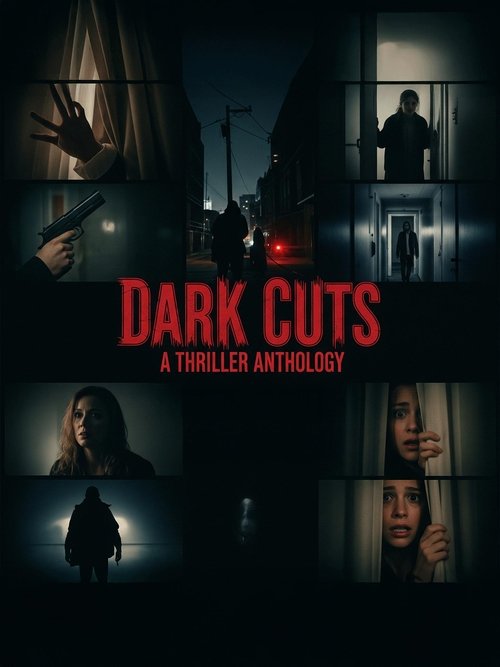
Dark Cuts: A Thriller Anthology - Review
Dark Cuts: A Thriller Anthology - A Review of Chilling Proportions
Anthology films are a tricky beast. They offer the tantalizing prospect of diverse narratives and concentrated bursts of genre goodness, but often fall victim to inconsistency in quality and a lack of cohesive thematic resonance. Dark Cuts: A Thriller Anthology, released on August 6th, 2025, attempts to navigate this treacherous terrain with five distinct short films promising suspense, obsession, and psychological terror. Does it succeed in delivering a satisfying and consistently chilling experience? Let's delve into the shadows and find out.
Overall Impression
Dark Cuts is a mixed bag, but ultimately a worthwhile watch for genre enthusiasts. While not every segment hits the mark with equal force, the anthology boasts impressive production values, compelling performances, and a palpable sense of dread that permeates the entire collection. The best segments offer genuinely unsettling and thought-provoking narratives, while even the weaker ones demonstrate a commitment to crafting atmospheric and visually engaging experiences. The anthology's success lies in its willingness to explore diverse subgenres within the thriller and horror landscape, offering something for almost every palate.
Segment-by-Segment Analysis
The anthology's strength lies in the individual segments, so let's break them down one by one:
Segment 1: "The Collector's Item" - Directed by Anya Sharma
Plot: "The Collector's Item" tells the story of Elias Thorne, a reclusive antique dealer obsessed with acquiring a mysterious music box rumored to possess supernatural properties. His relentless pursuit leads him down a dark path, blurring the lines between reality and hallucination.
Analysis: This segment kicks off the anthology with a strong dose of gothic horror. Sharma's direction is atmospheric and deliberate, creating a sense of unease from the very first scene. The dilapidated antique shop, bathed in shadows and filled with unsettling artifacts, serves as a perfect backdrop for Elias's descent into madness. The plot is relatively simple, but Sharma masterfully builds suspense through subtle visual cues and a haunting sound design. The ending, while somewhat predictable, delivers a satisfying jolt of terror.
Performances: Veteran actor Charles Davies delivers a captivating performance as Elias Thorne. He perfectly embodies the character's obsession and growing paranoia, making the audience both pity and fear him.
Cinematography: The cinematography, by Mark Olsen, is particularly noteworthy. The use of chiaroscuro lighting creates a sense of claustrophobia and emphasizes the darkness that consumes Elias. The camera work is deliberate and precise, adding to the overall feeling of unease.
Themes: "The Collector's Item" explores themes of obsession, isolation, and the corrupting influence of power. It serves as a cautionary tale about the dangers of unchecked desire and the price of pursuing forbidden knowledge.
Segment 2: "Digital Echoes" - Directed by Kenji Tanaka
Plot: "Digital Echoes" follows Sarah Chen, a young woman haunted by strange occurrences after installing a new virtual reality system. She begins to experience vivid hallucinations and receives cryptic messages through the VR headset, leading her to question her sanity and the nature of reality itself.
Analysis: This segment takes a more contemporary approach, exploring the intersection of technology and the supernatural. Tanaka's direction is slick and visually striking, utilizing the VR setting to create a disorienting and unsettling experience. The plot is more complex than "The Collector's Item," delving into themes of memory, identity, and the dangers of unchecked technological advancement.
Performances: Rising star Emily Carter delivers a strong performance as Sarah Chen, convincingly portraying her character's growing fear and confusion. Her vulnerability makes her relatable, drawing the audience into her nightmarish experience.
Cinematography: The cinematography, by Anya Petrova, is innovative and visually arresting. The use of digital effects and distorted imagery effectively conveys Sarah's fragmented perception of reality.
Themes: "Digital Echoes" explores themes of technological dependence, the erosion of privacy, and the potential for virtual reality to blur the lines between the real and the simulated.
Segment 3: "The Babysitter" - Directed by Javier Rodriguez
Plot: "The Babysitter" centers on a young woman named Maria, who takes on a babysitting job in a remote, isolated house. As the night progresses, she begins to suspect that she is not alone and that the children she is watching are not who they seem to be.
Analysis: This segment relies on classic horror tropes, but Rodriguez executes them with skill and precision. The isolated setting, the creepy children, and the mounting sense of dread create a genuinely unsettling atmosphere. While the plot may be familiar, Rodriguez injects it with enough originality and suspense to keep the audience engaged. This segment suffers from some predictability, but the jump scares are effective, and the overall tone is suitably chilling.
Performances: Newcomer Isabella Gomez delivers a solid performance as Maria, conveying her character's growing fear and desperation. The child actors, Liam O'Connell and Chloe Davies, are particularly effective in their roles, creating a sense of unease with their unsettling stares and unnatural behavior.
Cinematography: The cinematography, by David Lee, is effective in creating a sense of isolation and claustrophobia. The use of shadows and low lighting adds to the overall feeling of dread.
Themes: "The Babysitter" explores themes of innocence lost, the dangers of the unknown, and the fear of the other. It taps into primal fears about the vulnerability of children and the potential for evil to lurk in the most unexpected places.
Segment 4: "The Weight of Guilt" - Directed by Lena Moreau
Plot: "The Weight of Guilt" tells the story of Detective Inspector Isabelle Dubois, haunted by a past case where a child went missing. Years later, she begins to experience vivid dreams and visions that lead her to believe the child may still be alive, forcing her to confront her own guilt and the possibility that she made a terrible mistake.
Analysis: This segment is the most psychologically driven of the anthology, focusing on the internal struggles of its protagonist. Moreau's direction is nuanced and sensitive, exploring the themes of guilt, redemption, and the lasting impact of trauma. The plot is less overtly horror-driven than the other segments, but it builds suspense through its exploration of Isabelle's fractured psyche and her desperate search for the truth. This segment is arguably the strongest of the five, showcasing Moreau's talent for character development and atmospheric storytelling.
Performances: French actress Sophie Dubois delivers a tour-de-force performance as Detective Inspector Isabelle Dubois. She perfectly captures the character's inner turmoil and her unwavering determination to find the truth. Her performance is both heartbreaking and inspiring.
Cinematography: The cinematography, by Jean-Pierre Blanc, is understated but effective. The use of muted colors and close-up shots emphasizes Isabelle's emotional isolation and her relentless pursuit of justice.
Themes: "The Weight of Guilt" explores themes of guilt, redemption, the lasting impact of trauma, and the importance of never giving up hope.
Segment 5: "The Last Broadcast" - Directed by Ethan Reed
Plot: "The Last Broadcast" follows a group of urban explorers who venture into an abandoned television studio rumored to be haunted. They intend to livestream their exploration, but they soon discover that the studio is not as abandoned as they thought and that they are not alone. Their broadcast becomes increasingly erratic and disturbing as they are hunted by an unseen force.
Analysis: This segment utilizes the found-footage format, creating a sense of immediacy and realism. Reed's direction is effective in building suspense and capturing the claustrophobia of the abandoned studio. The plot is relatively straightforward, but the found-footage style adds a layer of authenticity and makes the events feel more visceral. This segment is the weakest of the anthology, suffering from some pacing issues and a reliance on jump scares. However, the ending is suitably bleak and unsettling.
Performances: The performances are generally solid, with the actors convincingly portraying the fear and panic of their characters. However, the found-footage format limits the opportunities for nuanced character development.
Cinematography: The cinematography, by the actors themselves (as is typical in found-footage films), is intentionally shaky and amateurish, adding to the sense of realism. However, this can also be disorienting at times.
Themes: "The Last Broadcast" explores themes of the dangers of urban exploration, the allure of the unknown, and the consequences of seeking fame and attention at any cost.
Themes and Messages
While each segment of Dark Cuts explores distinct narratives, several overarching themes emerge throughout the anthology. These include:
- The Corrupting Influence of Obsession: Several segments, particularly "The Collector's Item," highlight the dangers of unchecked desire and the lengths to which people will go to satisfy their obsessions.
- The Blurred Lines Between Reality and Illusion: "Digital Echoes" and "The Weight of Guilt" explore the subjective nature of reality and the potential for technology and trauma to distort our perceptions.
- The Enduring Power of the Past: "The Weight of Guilt" demonstrates how past events can continue to haunt us and shape our present actions.
- The Darkness Within: All five segments suggest that the greatest horrors often lie within ourselves, whether it be our own obsessions, guilts, or fears.
Comparisons to Other Films
Dark Cuts can be compared to other horror anthology films such as V/H/S, Trick 'r Treat, and Tales from the Crypt. Like those films, Dark Cuts offers a diverse range of horror subgenres and styles. However, Dark Cuts distinguishes itself through its emphasis on psychological terror and its willingness to explore more nuanced and character-driven narratives. The segments directed by Anya Sharma and Lena Moreau are particularly reminiscent of the works of Guillermo del Toro and David Fincher, respectively.
Positive Aspects
- Strong Performances: The anthology boasts consistently strong performances from its cast, particularly Charles Davies in "The Collector's Item" and Sophie Dubois in "The Weight of Guilt."
- Impressive Production Values: The cinematography, sound design, and special effects are all top-notch, creating a visually and aurally immersive experience.
- Diverse Range of Subgenres: The anthology offers a diverse range of horror subgenres, from gothic horror to technological thriller to psychological drama, ensuring that there is something for almost every fan of the genre.
- Thought-Provoking Themes: The anthology explores several thought-provoking themes, such as the corrupting influence of obsession and the blurred lines between reality and illusion.
Constructive Criticism
- Inconsistent Quality: As with most anthology films, the quality of the individual segments varies. "The Last Broadcast" is arguably the weakest of the five, suffering from pacing issues and a reliance on jump scares.
- Lack of Cohesive Theme: While several overarching themes emerge throughout the anthology, there is no central narrative thread that ties the segments together. This can make the anthology feel somewhat disjointed.
- Predictable Moments: Some of the segments, particularly "The Babysitter," rely on familiar horror tropes and contain predictable moments.
Conclusion
Dark Cuts: A Thriller Anthology is a worthwhile addition to the horror anthology genre. While not every segment hits the mark with equal force, the anthology boasts impressive production values, compelling performances, and a palpable sense of dread that permeates the entire collection. The segments directed by Anya Sharma and Lena Moreau are particularly strong, showcasing the talent of their respective directors and offering genuinely unsettling and thought-provoking narratives. Despite some minor flaws, Dark Cuts is a solid and entertaining collection of short films that is sure to please fans of the thriller and horror genres.