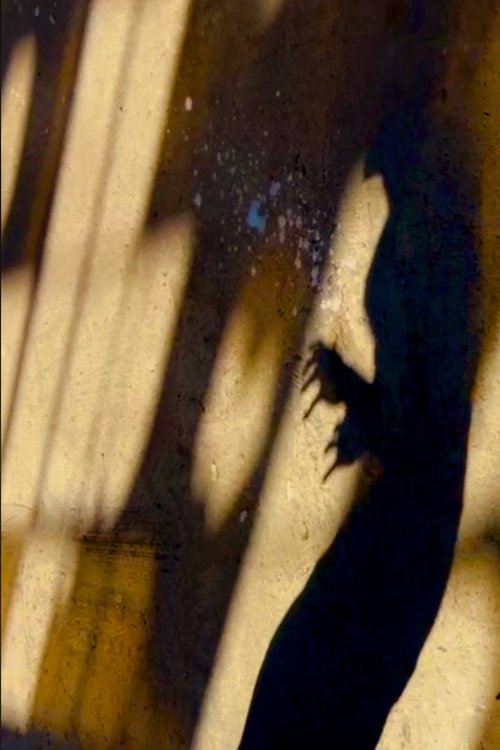
The Monster Part 2: Hunting the Hunted - Review
"The Monster Part 2: Hunting the Hunted" - A Review: Vengeance Forged in Shadow
The haunted warehouse next to RASOTA beckons, and with it, the chilling promise of vengeance. Two years after the breakout success of "The Monster," director Anya Petrova returns with "The Monster Part 2: Hunting the Hunted," a sequel that aims to delve deeper into the psychological torment and visceral horror that captivated audiences the first time around. Does it succeed in surpassing its predecessor, or does it stumble under the weight of expectation? Let's venture into the darkness and find out.
Plot: A Descent into Madness and Revenge
The film picks up a year after the harrowing events of "The Monster." Edye Dunn, portrayed with a raw and believable intensity by returning star Anya Sharma, is a woman consumed by grief and a burning desire for retribution. The loss she suffered at the hands of the enigmatic creature known only as "The Monster" has left her scarred, both physically and emotionally. She dedicates her life to tracking down and eliminating the entity, transforming herself into a hardened hunter.
Joining her on this perilous quest is Elijah Jitterman, played by the ever-reliable Ben Carter. Elijah, Edye's loyal and resourceful sidekick, provides a much-needed counterpoint to her obsessive rage. His technical expertise and unwavering support are crucial to their survival as they navigate the labyrinthine corridors of the haunted warehouse. The warehouse itself is practically a character, a decaying monument to forgotten industry and unspeakable horrors. The script, penned by newcomer David Miller, does a commendable job of building suspense and intrigue from the very beginning. The narrative unfolds at a deliberate pace, allowing the audience to become fully immersed in Edye and Elijah's increasingly desperate situation.
The plot primarily revolves around Edye and Elijah's attempts to anticipate the Monster's movements, using a combination of salvaged technology and old-fashioned tracking skills. They set elaborate traps, study the Monster's previous victims, and delve into the local folklore surrounding RASOTA, hoping to uncover the creature's origins and weaknesses. However, their pursuit is not without its obstacles. They encounter other survivors, each with their own agendas and secrets, some of whom are willing to help, while others prove to be deadly adversaries. The film masterfully weaves together elements of psychological thriller and creature feature, keeping the audience guessing until the very end.
One of the plot's strengths lies in its willingness to explore the moral complexities of vengeance. Edye's relentless pursuit of the Monster pushes her to the brink, blurring the lines between hunter and hunted. The film raises questions about the true cost of revenge and whether it is ever truly worth the price.
Characters: Scars That Run Deep
The characters in "The Monster Part 2" are far more than just cardboard cutouts designed to be terrorized by a monster. They are complex, flawed individuals grappling with their own demons. Anya Sharma delivers a career-defining performance as Edye Dunn. She embodies the character's pain and rage with a palpable intensity, making her a compelling and sympathetic protagonist, even when her actions become questionable. Sharma's ability to convey a range of emotions, from vulnerability to unbridled fury, is truly remarkable.
Ben Carter shines as Elijah Jitterman. He provides a much-needed dose of humanity and humor to the film, often serving as the voice of reason in Edye's increasingly erratic behavior. Elijah's unwavering loyalty to Edye is a testament to their bond, and Carter perfectly captures the character's quiet strength and unwavering dedication. He's not just a sidekick; he's the emotional anchor that keeps Edye from completely losing herself to the darkness.
The supporting characters, while not as fully developed as Edye and Elijah, are still memorable and contribute to the film's overall atmosphere of dread. Special mention must be made of Sarah Jenkins as the mysterious "Whisper," a survivor who possesses crucial information about the Monster's weaknesses. Her performance is haunting and enigmatic, leaving the audience wondering about her true motives until the very end.
Of course, the most crucial character is the Monster itself. While its physical appearance is kept largely in shadow, its presence is felt throughout the film. The creature's guttural roars and fleeting glimpses of its terrifying form are enough to send shivers down your spine. The film wisely avoids overexposing the Monster, allowing the audience's imagination to fill in the gaps and amplifying the sense of dread. The creature is more than just a mindless killing machine; it's a symbol of primal fear and unchecked aggression.
Direction: A Masterclass in Suspense
Anya Petrova's direction in "The Monster Part 2" is nothing short of masterful. She expertly crafts a claustrophobic and unsettling atmosphere, using a combination of visual techniques and sound design to keep the audience on the edge of their seats. The warehouse setting is brought to life with stunning detail, its decaying architecture and dimly lit corridors creating a sense of inescapable dread. Petrova's use of shadows and negative space is particularly effective, allowing the audience's imagination to conjure up far more terrifying images than anything that is actually shown on screen.
Petrova's skill in building suspense is evident throughout the film. She employs a variety of techniques, such as slow-burn pacing, jump scares, and unsettling sound cues, to keep the audience constantly on edge. She also uses the camera to create a sense of unease, often employing Dutch angles and close-ups to heighten the tension. The action sequences are expertly choreographed and shot, providing moments of intense excitement without sacrificing the film's overall atmosphere of dread.
One of Petrova's greatest strengths as a director is her ability to elicit powerful performances from her actors. She clearly understands the nuances of each character and guides them towards delivering authentic and believable portrayals. Sharma and Carter both give career-defining performances under Petrova's direction, showcasing their range and depth as actors.
Compared to her direction in the first film, Petrova seems to have embraced a more mature and nuanced approach. While "The Monster" relied heavily on jump scares and graphic violence, "Hunting the Hunted" is more focused on psychological horror and character development. This shift in focus allows the sequel to explore deeper themes and resonate with the audience on a more emotional level.
Cinematography: Painting with Darkness
The cinematography in "The Monster Part 2," helmed by veteran cinematographer Lars Johansson, is simply breathtaking. Johansson's use of light and shadow is masterful, creating a visually stunning and deeply unsettling atmosphere. The film is primarily shot in dark and muted tones, reflecting the characters' emotional state and the bleakness of their surroundings. The use of contrasting light sources, such as flickering flashlights and the Monster's bioluminescent glow, adds to the film's visual dynamism and creates a sense of constant unease.
Johansson's camera work is equally impressive. He employs a variety of techniques, such as handheld shots and tracking shots, to create a sense of immediacy and immersion. The camera often lingers on the characters' faces, capturing their fear, determination, and despair. The use of wide shots allows the audience to fully appreciate the scale and desolation of the warehouse setting, while close-ups emphasize the characters' emotional vulnerability. The visual language of the film perfectly complements the narrative, enhancing the suspense and amplifying the emotional impact.
One standout sequence involves Edye and Elijah navigating a flooded section of the warehouse. Johansson's use of underwater cinematography is particularly effective, creating a sense of claustrophobia and disorientation. The murky water and distorted reflections add to the film's overall atmosphere of dread, making this scene one of the most memorable and visually striking in the entire film.
Performances: A Symphony of Fear and Resilience
As mentioned earlier, Anya Sharma delivers a tour-de-force performance as Edye Dunn. She embodies the character's transformation from a grieving victim to a hardened hunter with remarkable conviction. Her ability to convey a range of emotions, from vulnerability to unbridled fury, is truly captivating. Sharma's physical performance is also noteworthy, as she convincingly portrays Edye's battle-hardened physicality and unwavering determination.
Ben Carter is equally impressive as Elijah Jitterman. He provides a much-needed dose of humanity and humor to the film, often serving as the voice of reason in Edye's increasingly erratic behavior. Carter's performance is nuanced and understated, allowing the character's quiet strength and unwavering loyalty to shine through. He's the perfect foil to Sharma's intensity, creating a dynamic and believable partnership.
The supporting cast also delivers strong performances, adding depth and complexity to the film's overall narrative. Sarah Jenkins is particularly memorable as Whisper, her enigmatic portrayal leaving the audience guessing about her true motives until the very end. The actors who portray the other survivors in the warehouse also contribute to the film's atmosphere of dread and paranoia, creating a sense that anyone could be a threat.
Themes and Messages: Beyond the Blood and Guts
"The Monster Part 2: Hunting the Hunted" is more than just a monster movie; it's a film that explores complex themes and raises profound questions about human nature. The film delves into the psychological toll of trauma and the corrosive effects of vengeance. Edye's relentless pursuit of the Monster pushes her to the brink, blurring the lines between hunter and hunted. The film raises questions about whether revenge is ever truly worth the price and whether it can ever truly bring closure.
The film also explores the themes of loyalty, sacrifice, and the importance of human connection in the face of overwhelming adversity. Edye and Elijah's bond is tested throughout the film, but their unwavering loyalty to each other ultimately allows them to survive. The film suggests that even in the darkest of times, human connection can provide a source of strength and hope.
Furthermore, the film touches upon the themes of environmental destruction and corporate greed. The haunted warehouse next to RASOTA serves as a symbol of industrial decay and the consequences of unchecked corporate power. The Monster itself can be interpreted as a metaphor for the destructive forces that are unleashed when humanity disregards the environment and prioritizes profit over people.
Comparison to Other Films/Works
In terms of creature features, "The Monster Part 2" shares similarities with films like "Alien" and "The Descent," both of which feature a group of individuals trapped in a confined space with a terrifying creature. However, "Hunting the Hunted" distinguishes itself through its focus on character development and psychological horror. Unlike many creature features, which prioritize jump scares and graphic violence, "The Monster Part 2" takes a more measured approach, building suspense and dread through atmosphere and character interaction.
Compared to Anya Petrova's previous work, "The Monster Part 2" represents a significant step forward in her directorial style. While "The Monster" was a solid horror film, it relied heavily on genre tropes and familiar scare tactics. "Hunting the Hunted" is a more mature and nuanced work, showcasing Petrova's ability to craft complex characters, build suspenseful narratives, and explore deeper themes. The sequel demonstrates a greater understanding of the horror genre and a willingness to push boundaries.
Anya Sharma's performance can be compared to that of Sigourney Weaver in the "Alien" franchise. Both actresses portray strong, resourceful women who are forced to confront terrifying creatures in order to survive. However, Sharma's portrayal of Edye Dunn is arguably more emotionally complex, as she grapples with the psychological toll of trauma and the moral implications of her actions.
Positive Aspects
- Strong Performances: Anya Sharma and Ben Carter deliver career-defining performances.
- Masterful Direction: Anya Petrova expertly crafts a suspenseful and unsettling atmosphere.
- Breathtaking Cinematography: Lars Johansson's use of light and shadow is visually stunning.
- Complex Themes: The film explores themes of trauma, vengeance, and human connection.
- Effective Creature Design: The Monster is terrifying and memorable, even with limited screen time.
Constructive Criticism
- Pacing Issues: The film's deliberate pacing may not appeal to all viewers, as some may find it too slow at times.
- Supporting Characters: While the supporting characters are memorable, they could have been more fully developed.
- Over-reliance on Darkness: While the cinematography is stunning, some scenes may be too dark for some viewers to fully appreciate.
- Predictable Plot Points: Some plot points, particularly in the final act, feel somewhat predictable.
- Limited Exploration of Monster's Origins: While the Monster's mystery is effective, a deeper exploration of its origins could have added another layer to the story.
Conclusion
"The Monster Part 2: Hunting the Hunted" is a worthy sequel that surpasses its predecessor in many ways. Anya Petrova's masterful direction, coupled with strong performances from Anya Sharma and Ben Carter, create a suspenseful and emotionally resonant horror experience. While the film may suffer from some pacing issues and predictable plot points, its strengths far outweigh its weaknesses. "Hunting the Hunted" is a must-see for fans of the horror genre and a testament to the power of well-crafted storytelling. It's a chilling and thought-provoking exploration of trauma, vengeance, and the enduring power of human connection in the face of overwhelming darkness.
Rating: 8.7/10