Out of the Woods - Review
Out of the Woods: A Heartbreaking Symphony of Memory and Longing
Out of the Woods, released on August 15th, 2025, isn't just another romance drama. It's a poignant exploration of memory, love, and commitment, wrapped in a visually stunning and emotionally resonant package. Director Anya Sharma, known for her subtle character studies, delivers a film that lingers long after the credits roll, prompting reflection on the fragile nature of connection and the enduring power of the past. Prepare to have your heartstrings tugged, your perceptions challenged, and your faith in the complexities of human relationships reaffirmed.
Plot: A Tangled Web of Past and Present
The film centers around Max (played with quiet intensity by Elias Vance), a successful architect who unexpectedly reconnects with Diana (portrayed with heartbreaking vulnerability by Isabella Rossi), a childhood friend and former flame. Their reunion sparks a resurgence of long-dormant feelings in Max, feelings that threaten to unravel the seemingly secure life he has built with his devoted husband, Charlie (a wonderfully understated performance by David Lee). The core of the conflict, however, lies in Diana's struggle with early-onset Alzheimer's. Her memory is fading, creating a heartbreaking juxtaposition between the vibrant, carefree Diana Max remembers and the increasingly disoriented and confused woman she is becoming.
The narrative unfolds through a series of interwoven timelines. We witness flashbacks to Max and Diana's idyllic childhood, their blossoming romance during their teenage years, and the circumstances that led to their eventual separation. These flashbacks are seamlessly integrated into the present-day storyline, providing crucial context for Max's internal turmoil and the depth of his connection with Diana. The film cleverly uses visual cues – a specific color palette, recurring motifs, and subtle changes in Vance and Rossi's performances – to differentiate between the past and present, allowing the audience to piece together the fragmented memories alongside Diana.
The plot isn't without its predictable moments. The "will they/won't they" tension between Max and Diana is a familiar trope, and the potential for a messy love triangle with Charlie looms large. However, Sharma avoids resorting to melodramatic clichés. Instead, she focuses on the nuances of each character's emotional journey, allowing their actions and motivations to feel authentic and grounded. The film's strength lies not in its originality but in its execution, elevating a familiar premise into a deeply moving and thought-provoking experience.
Characters: A Symphony of Subtlety and Depth
The success of Out of the Woods hinges on the strength of its characters, and Sharma's casting choices prove to be masterful. Each actor delivers a performance that is both nuanced and emotionally resonant, bringing their characters to life with remarkable depth and sensitivity.
Max (Elias Vance)
Elias Vance delivers a career-defining performance as Max. He perfectly captures the character's internal conflict – the yearning for a past love juxtaposed with the loyalty and affection he feels for his husband. Vance's portrayal is understated, relying on subtle facial expressions and body language to convey the character's complex emotions. He skillfully portrays Max's growing desperation as he witnesses Diana's memory fading, making his internal struggle all the more palpable.
Diana (Isabella Rossi)
Isabella Rossi is nothing short of breathtaking as Diana. She embodies the character's youthful exuberance in the flashbacks, capturing the carefree spirit that captivated Max. In the present-day scenes, Rossi portrays Diana's struggle with Alzheimer's with heartbreaking authenticity. She seamlessly transitions between moments of clarity and confusion, allowing the audience to empathize with her disorientation and fear. Her performance is a masterclass in vulnerability and emotional depth.
Charlie (David Lee)
David Lee provides a grounding presence as Charlie, Max's husband. He avoids the stereotypical portrayal of the "other man" and instead portrays Charlie as a genuinely kind and supportive partner. Lee's performance is understated yet powerful, conveying Charlie's quiet strength and unwavering love for Max. He subtly hints at Charlie's awareness of Max's lingering feelings for Diana, adding a layer of complexity to their relationship.
Beyond the main trio, the supporting characters are equally well-developed and contribute to the film's overall emotional impact. Diana's caretaker, played by veteran actress Maria Sanchez, provides a compassionate and understanding presence, while Max's supportive best friend, portrayed by rising star Noah Kim, offers moments of levity and perspective.
Direction: A Gentle Hand Guides the Narrative
Anya Sharma's direction is characterized by its subtlety and sensitivity. She avoids heavy-handed melodrama and instead allows the story to unfold organically, trusting the audience to connect with the characters on an emotional level. Her skillful use of pacing and editing creates a sense of intimacy and allows the audience to fully immerse themselves in the characters' experiences.
Sharma's previous work, particularly her critically acclaimed independent film The Quiet Hours, explored similar themes of memory and loss. Out of the Woods feels like a natural progression in her artistic journey, showcasing her growth as a filmmaker and her ability to tackle complex emotional subjects with grace and nuance. She demonstrates a keen understanding of human psychology, allowing her characters to feel authentic and relatable.
One of Sharma's strengths is her ability to create a visually compelling film without resorting to flashy techniques. She uses natural lighting and a muted color palette to create a sense of realism, allowing the performances to take center stage. Her camera work is unobtrusive, allowing the audience to feel like they are observing the characters' lives from a distance, rather than being manipulated by the director.
Cinematography: Painting a Portrait of Memory
The cinematography, helmed by the talented Lena Moreau, is a visual feast. Moreau's use of light and shadow is masterful, creating a sense of atmosphere and enhancing the emotional impact of the scenes. The flashbacks are bathed in a warm, nostalgic glow, while the present-day scenes are rendered in a cooler, more muted palette, reflecting the contrast between the past and present.
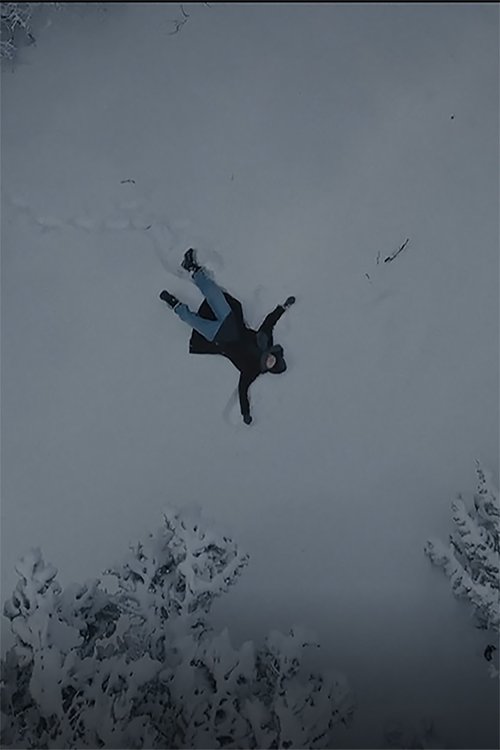
Moreau's use of framing and composition is equally impressive. She often uses close-ups to capture the characters' emotions, allowing the audience to connect with them on a deeper level. She also utilizes wide shots to showcase the beauty of the natural surroundings, particularly the titular "woods," which serve as a symbolic representation of the characters' hidden emotions and unresolved conflicts.
The film's visual language is not merely decorative; it is integral to the storytelling. Moreau's cinematography works in perfect harmony with Sharma's direction to create a visually stunning and emotionally resonant experience.
Performances: A Masterclass in Emotional Honesty
As mentioned earlier, the performances in Out of the Woods are exceptional across the board. Elias Vance, Isabella Rossi, and David Lee all deliver career-defining performances, bringing their characters to life with remarkable depth and sensitivity. The supporting cast is equally strong, adding further layers of complexity and nuance to the film.
Vance's portrayal of Max is particularly noteworthy. He manages to convey the character's internal conflict without resorting to over-the-top theatrics. His subtle facial expressions and body language speak volumes, allowing the audience to understand the character's complex emotions without him having to explicitly articulate them. Rossi's performance as Diana is equally impressive. She captures the character's vulnerability and confusion with heartbreaking authenticity, making her struggle with Alzheimer's all the more poignant.
Lee's portrayal of Charlie is a welcome departure from the stereotypical "other man" trope. He portrays Charlie as a genuinely kind and supportive partner, making his potential heartbreak all the more impactful. The chemistry between Vance and Lee is palpable, creating a believable and loving relationship that the audience roots for.
Themes and Messages: Exploring the Depths of Human Connection
Out of the Woods delves into several profound themes, including the nature of memory, the enduring power of love, and the complexities of commitment. The film explores how memory shapes our identity and influences our relationships. Diana's struggle with Alzheimer's serves as a powerful reminder of the fragility of memory and the importance of cherishing the moments we have.
The film also examines the enduring power of love, both romantic and platonic. Max's rekindled feelings for Diana force him to confront his past and question his present. The film suggests that love can take many forms and that it is not always a simple or straightforward emotion. It also highlights the importance of forgiveness and understanding in maintaining meaningful relationships.
Finally, Out of the Woods explores the complexities of commitment. Max is torn between his love for Diana and his commitment to Charlie. The film suggests that commitment is not simply a matter of obligation but rather a conscious choice to prioritize the well-being of another person. It challenges the audience to consider what it truly means to be committed to someone and whether it is possible to remain faithful to one's vows while also acknowledging the pull of the past.
Comparisons: Echoes of the Past, a Unique Voice
Out of the Woods inevitably draws comparisons to other films that explore similar themes of memory and loss, such as The Notebook and Still Alice. However, Sharma's film distinguishes itself through its nuanced character development, its subtle direction, and its unflinching exploration of complex emotional issues. Unlike The Notebook, which relies heavily on romantic melodrama, Out of the Woods offers a more realistic and grounded portrayal of love and loss. Similarly, while Still Alice focuses primarily on the experience of living with Alzheimer's, Out of the Woods expands its scope to explore the impact of the disease on the relationships of those around the affected individual.
In terms of Sharma's own filmography, Out of the Woods represents a significant step forward. While her previous works were characterized by their intimate scale and minimalist aesthetic, Out of the Woods boasts a more ambitious scope and a more polished visual style. However, it retains the emotional honesty and character-driven storytelling that have become hallmarks of her work.
Positive Aspects: A Resonant and Moving Experience
Out of the Woods excels in several key areas. The performances are uniformly excellent, the direction is subtle and sensitive, the cinematography is visually stunning, and the themes are profound and thought-provoking. The film's emotional honesty and its refusal to shy away from complex issues make it a truly rewarding and moving experience.
The film's pacing is also particularly effective. Sharma takes her time to develop the characters and their relationships, allowing the audience to fully invest in their stories. The flashbacks are seamlessly integrated into the present-day storyline, providing crucial context and enhancing the emotional impact of the scenes.
Constructive Criticism: Minor Imperfections in a Masterpiece
While Out of the Woods is a remarkable film, it is not without its minor imperfections. The plot, while well-executed, is somewhat predictable in its broad strokes. The "will they/won't they" tension between Max and Diana is a familiar trope, and the potential for a messy love triangle with Charlie is evident from the outset.
Additionally, the film's ending, while emotionally satisfying, feels slightly rushed. The resolution of the conflict between Max, Diana, and Charlie could have been explored in more detail, allowing for a more nuanced and satisfying conclusion.
However, these minor criticisms are ultimately overshadowed by the film's many strengths. Out of the Woods is a deeply moving and thought-provoking film that will stay with you long after the credits roll.
Conclusion: A Must-See for Lovers of Character-Driven Drama
Out of the Woods is a triumph of character-driven storytelling. Anya Sharma has crafted a poignant and emotionally resonant film that explores the complexities of love, memory, and commitment with grace and nuance. The performances are exceptional, the direction is subtle and sensitive, and the cinematography is visually stunning. Despite its minor imperfections, Out of the Woods is a must-see for anyone who appreciates thoughtful and emotionally honest cinema. It's a film that will make you laugh, cry, and reflect on the enduring power of human connection.