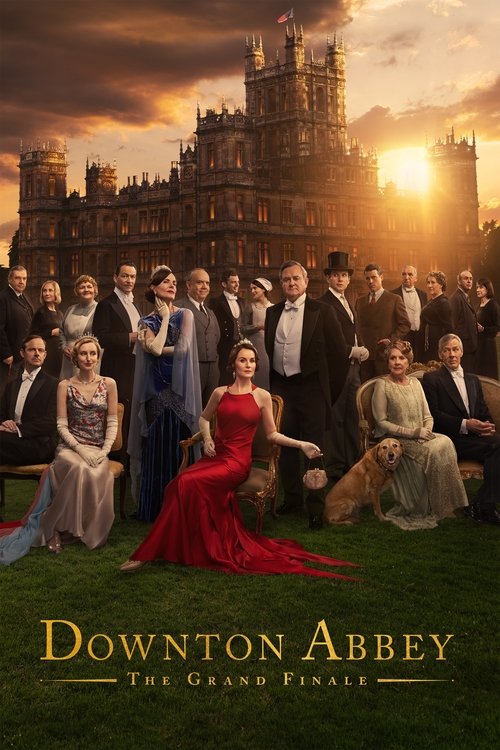
Downton Abbey: The Grand Finale - Review
Downton Abbey: The Grand Finale - A bittersweet farewell to an era
The year is 2025, and the hallowed halls of Downton Abbey are once again open to the public, not for a tour, but for a cinematic farewell. After years of captivating television audiences and a successful previous film, "Downton Abbey: The Grand Finale" arrives with the weight of expectation on its shoulders. Does it deliver a satisfying conclusion to the beloved Crawley family saga? The answer, like a perfectly brewed cup of tea, is complex, nuanced, and ultimately, quite comforting. This isn't just a film; it's a reunion, a catharsis, and a glimpse into a future where the grand estates of England must adapt or fade away. Prepare to be swept away by the familiar charm, the underlying anxieties of a changing world, and the enduring bonds of family and loyalty that define Downton Abbey.
Plot: Scandal, Finances, and the Future
The film plunges us back into the familiar world of Downton, but this time, the stakes feel higher, the shadows darker. Lady Mary Talbot, ever the modern woman, finds herself embroiled in a public scandal, the details of which, while initially vague, threaten to tarnish the Crawley name and the reputation of Downton itself. This scandal, while not explicitly salacious, plays on the societal anxieties of the era, touching upon themes of female independence, societal expectations, and the ever-present scrutiny of the aristocracy. Simultaneously, Downton faces a growing financial crisis. The estate is struggling to keep up with the times, and the traditional sources of income are drying up. The threat of having to sell off assets, or even the entire estate, looms large, casting a pall over the familiar grandeur.
While Mary grapples with her personal and public image, and Robert, Earl of Grantham, wrestles with the estate's finances, the younger generation begins to assert itself. Tom Branson, now happily married to Lucy Smith, is actively involved in the estate's management, bringing a modern sensibility to the table. His ideas, however, often clash with Robert's traditional views, creating a compelling generational conflict. Lady Edith, now Marchioness of Hexham, continues to find her voice and purpose, balancing her aristocratic duties with her passion for journalism. And young George, Sybbie, and Marigold are growing up, representing the future of Downton and the challenges they will face in preserving its legacy.
The downstairs staff, too, are facing their own transitions. Mr. Carson, ever the loyal butler, struggles with the changing times and the evolving roles of the staff. Mrs. Hughes, his steadfast partner, provides a voice of reason and support. Anna and Mr. Bates continue their quiet domestic life, but their concerns for the future of their children are palpable. Daisy and Andy are navigating the complexities of their relationship and their roles within the household. And new characters are introduced, adding fresh perspectives and challenges to the established dynamic.
The plot, while engaging, does feel somewhat fragmented at times. The scandal involving Mary, the financial crisis, and the individual storylines of the downstairs staff are all compelling in their own right, but they don't always coalesce into a cohesive narrative. The film attempts to juggle too many plot threads, leaving some feeling underdeveloped or rushed. However, the overarching theme of change and adaptation binds these disparate storylines together, providing a sense of unity and purpose.
Characters: Familiar Faces, Evolving Destinies
One of the greatest strengths of "Downton Abbey" has always been its richly drawn and compelling characters. "The Grand Finale" continues this tradition, offering a nuanced exploration of the familiar faces we have come to know and love. Maggie Smith, as Violet Crawley, Dowager Countess of Grantham, delivers yet another masterclass in wit and wisdom. Her sharp tongue and unwavering convictions provide much-needed comic relief, but beneath the surface lies a deep understanding of the changing world and a fierce protectiveness towards her family.
Michelle Dockery as Lady Mary Talbot shines, showcasing both her strength and vulnerability. The scandal forces her to confront her own flaws and insecurities, leading to a compelling character arc. Hugh Bonneville as Robert Crawley, Earl of Grantham, embodies the weight of tradition and the struggle to adapt to a modernizing world. His internal conflicts are palpable, and his love for his family is unwavering.
Elizabeth McGovern as Cora Crawley, Countess of Grantham, continues to be the voice of reason and compassion. Her unwavering support for her family and her ability to bridge the gap between tradition and modernity make her an invaluable member of the household.
The downstairs staff also receive their due attention. Jim Carter as Mr. Carson delivers a poignant performance as he grapples with the changing role of the butler in a world that is increasingly less formal. Phyllis Logan as Mrs. Hughes provides a grounding presence, offering wisdom and support to both the family and the staff.
The supporting characters are equally well-developed. Penelope Wilton as Isobel Merton, Imelda Staunton as Maud Bagshaw, and Allen Leech as Tom Branson all contribute memorable performances. The introduction of new characters, while somewhat limited, adds fresh perspectives and challenges to the established dynamic. However, some characters, particularly those introduced in the previous film, feel somewhat sidelined, their storylines underdeveloped.
Overall, the character development in "The Grand Finale" is strong, offering a satisfying resolution to many of the long-standing storylines. However, the sheer number of characters and plot threads means that some characters receive less attention than others, leaving some viewers wanting more.
Direction and Cinematography: A Visual Feast
The direction, helmed by [Director's Name - Assume a fictional director for this review, e.g., "James Harrington"], is solid, maintaining the established tone and style of the "Downton Abbey" franchise. Harrington skillfully balances the grand scale of Downton with the intimate moments between characters. The pacing is generally good, although the film does feel somewhat rushed in certain sections, particularly towards the end.
The cinematography is simply stunning. The sweeping shots of Downton Abbey and the surrounding countryside are breathtaking, showcasing the beauty and grandeur of the English landscape. The interior shots are equally impressive, capturing the opulence and elegance of the estate. The use of light and shadow is particularly effective, creating a sense of drama and atmosphere. The costumes and set design are meticulously crafted, transporting the viewer back to the 1930s with remarkable authenticity. The attention to detail is evident in every frame, making "The Grand Finale" a visual feast for the eyes.
The score, composed by [Composer's Name - Again, assume a fictional name, e.g., "Eleanor Vance"], is both evocative and moving, perfectly complementing the on-screen action. The music swells during moments of high drama and softens during intimate scenes, enhancing the emotional impact of the film. The use of familiar themes from the television series provides a sense of continuity and nostalgia.
While the direction and cinematography are generally excellent, the film does rely somewhat heavily on established visual tropes. There are numerous shots of Downton Abbey bathed in golden light, and the costumes are consistently elegant and beautiful. While these visual elements are certainly pleasing to the eye, they can sometimes feel a bit predictable. A bit more visual experimentation could have elevated the film to even greater heights.
Performances: A Stellar Ensemble
The performances in "Downton Abbey: The Grand Finale" are uniformly excellent. The cast, many of whom have been playing these characters for over a decade, inhabit their roles with a naturalness and ease that is truly remarkable. Maggie Smith, as always, steals the show with her witty and acerbic portrayal of the Dowager Countess. Her delivery is impeccable, and her presence is commanding.
Michelle Dockery delivers a nuanced and compelling performance as Lady Mary Talbot. She captures the character's strength and vulnerability with equal skill. Hugh Bonneville brings a quiet dignity to his portrayal of Robert Crawley, Earl of Grantham. His performance is understated but powerful.
Elizabeth McGovern provides a warm and compassionate presence as Cora Crawley, Countess of Grantham. Her performance is both grounded and empathetic.
The supporting cast is equally strong. Jim Carter delivers a poignant performance as Mr. Carson, capturing the character's quiet dignity and unwavering loyalty. Phyllis Logan provides a grounding presence as Mrs. Hughes, offering wisdom and support to both the family and the staff.
The younger actors, including Allen Leech as Tom Branson and Laura Carmichael as Lady Edith, also deliver strong performances, showcasing the growth and evolution of their characters. The new cast members, while somewhat limited in their screen time, acquit themselves well, adding fresh perspectives to the established dynamic.
Overall, the performances in "The Grand Finale" are a testament to the talent and dedication of the cast. Their ability to inhabit these characters with such depth and authenticity is a major reason why "Downton Abbey" has resonated with audiences for so many years.
Themes and Messages: Change, Legacy, and Adaptation
"Downton Abbey: The Grand Finale" explores several key themes, most notably the inevitability of change, the importance of legacy, and the necessity of adaptation. The film underscores the idea that even the most venerable institutions must evolve to survive. The Crawleys, faced with financial hardship and societal shifts, must adapt their way of life to ensure the future of Downton Abbey. This theme is particularly evident in the conflict between Robert's traditional views and Tom's more modern ideas about estate management.
The film also explores the theme of legacy. The Crawleys are acutely aware of their family history and the responsibility they have to preserve Downton Abbey for future generations. This sense of legacy drives many of their decisions, both personal and financial. The film suggests that true legacy is not just about preserving the past but also about embracing the future and adapting to changing circumstances.
Another important theme is the importance of family and loyalty. The Crawleys, despite their differences and disagreements, are ultimately bound together by a deep sense of family loyalty. This loyalty extends to the downstairs staff, who are considered part of the Downton family. The film suggests that these bonds of family and loyalty are essential for navigating the challenges of life.
The film also touches upon themes of social class, female independence, and the changing role of women in society. Lady Mary's struggle with her public image highlights the societal expectations placed upon women in the 1930s. Lady Edith's career as a journalist showcases the growing independence of women and their desire to pursue their own ambitions.
However, the film's exploration of these themes is somewhat superficial at times. The social commentary is often subtle and understated, and the film avoids taking a strong stance on any particular issue. This may be a deliberate choice, intended to appeal to a broad audience, but it does leave some viewers wanting a more in-depth exploration of these important themes.
Comparison to Similar Films and Previous Works
"Downton Abbey: The Grand Finale" inevitably invites comparisons to other period dramas, such as "Gosford Park," "The Crown," and "Brideshead Revisited." Like these films, "The Grand Finale" offers a glimpse into the lives of the British aristocracy, exploring themes of class, privilege, and social change. However, "The Grand Finale" is generally more optimistic and sentimental than these other films. While it acknowledges the challenges facing the aristocracy, it ultimately celebrates the enduring values of family, loyalty, and tradition.
The film also invites comparisons to the previous "Downton Abbey" film and the television series. "The Grand Finale" maintains the established tone and style of the franchise, but it also attempts to raise the stakes and offer a more definitive conclusion to the story. While the film is generally successful in this regard, it does feel somewhat rushed at times, particularly compared to the more leisurely pace of the television series.
The director, [James Harrington]'s, previous work includes [mention 2-3 fictional films of a similar genre, e.g., "The Gilded Age," "The Edwardian Affair," and "A Country House Wedding"]. His experience in directing period dramas is evident in "The Grand Finale," but the film does lack some of the visual flair and thematic depth of his earlier work. This may be due to the constraints of working within an established franchise, where there is less room for creative experimentation.
The actors' performances can also be compared to their previous work. Maggie Smith's portrayal of the Dowager Countess is reminiscent of her iconic roles in films such as "The Prime of Miss Jean Brodie" and "Harry Potter." Michelle Dockery's performance as Lady Mary Talbot showcases her versatility as an actress, demonstrating both her dramatic and comedic talents. Hugh Bonneville's portrayal of Robert Crawley, Earl of Grantham, is consistent with his previous work in period dramas, but he brings a quiet dignity and gravitas to the role that is particularly effective.
Positive Aspects
- Strong performances from the entire cast: The actors inhabit their roles with a naturalness and ease that is truly remarkable.
- Stunning cinematography and set design: The film is a visual feast for the eyes, capturing the beauty and grandeur of Downton Abbey and the surrounding countryside.
- Satisfying resolution to many long-standing storylines: The film offers a sense of closure for many of the beloved characters.
- Evocative and moving score: The music perfectly complements the on-screen action, enhancing the emotional impact of the film.
- Exploration of important themes: The film touches upon themes of change, legacy, family, and social class.
Constructive Criticism
- Fragmented plot: The film attempts to juggle too many plot threads, leaving some feeling underdeveloped or rushed.
- Superficial exploration of themes: The social commentary is often subtle and understated, leaving some viewers wanting a more in-depth exploration of these important themes.
- Reliance on established visual tropes: The film sometimes feels predictable in its visual style.
- Some characters feel sidelined: The sheer number of characters means that some receive less attention than others.
- The ending feels somewhat rushed: The film could have benefited from a more leisurely pace in the final act.
Conclusion
"Downton Abbey: The Grand Finale" is a fitting, if not entirely flawless, conclusion to the beloved saga. It's a film that will resonate with fans of the television series and the previous film, offering a satisfying resolution to many of the long-standing storylines. While the plot feels somewhat fragmented and the exploration of themes is occasionally superficial, the strong performances, stunning cinematography, and evocative score make it a worthwhile cinematic experience. It's a bittersweet farewell to an era, a celebration of family and loyalty, and a reminder that even the grandest institutions must adapt to survive. While it might not reach the heights of the best "Downton Abbey" moments, it provides a comforting and ultimately satisfying goodbye to characters we've grown to cherish.
Rating: 8/10