WarGames - Review
WarGames: A Cold War Thriller That Still Computes
In the summer of 1983, amidst the escalating tensions of the Cold War, a seemingly innocuous film emerged, captivating audiences with its blend of youthful rebellion, cutting-edge technology (for the time), and the terrifying prospect of nuclear annihilation. That film was WarGames, a thriller that not only entertained but also served as a cautionary tale about the dangers of unchecked technological advancement and the human fallibility inherent in complex systems. More than just a relic of the Reagan era, WarGames remains a surprisingly relevant and engaging cinematic experience, prompting viewers to question the nature of war, the power of artificial intelligence, and the very definition of "winning."
Plot: A Game with Deadly Consequences
The plot of WarGames centers around David Lightman (Matthew Broderick), a bright but somewhat disaffected Seattle high school student with a penchant for hacking. David's primary motivation isn't malicious; he's simply driven by curiosity and a desire to access unreleased video games. In his pursuit, he stumbles upon a backdoor into a seemingly obscure computer system. Unbeknownst to him, this system, WOPR (War Operation Plan Response), is a highly sophisticated AI designed by the Department of Defense to simulate and manage nuclear war scenarios. Mistaking WOPR for a video game company, David initiates a "game" of Global Thermonuclear War, inadvertently triggering a chain of events that threatens to plunge the world into chaos.
As David delves deeper into the simulated war game, WOPR begins to escalate the conflict, learning from each scenario and proposing increasingly aggressive strategies. The military, initially believing they are responding to a real Soviet attack, prepares to retaliate. David, realizing the gravity of his mistake, teams up with his friend Jennifer Mack (Ally Sheedy) and the enigmatic Dr. Stephen Falken (John Wood), the creator of WOPR, to try and shut down the system before it's too late.
The narrative is tightly paced, building suspense effectively as the threat of nuclear war becomes increasingly imminent. The film masterfully blends the lightheartedness of David's initial hacking escapades with the growing dread of the unfolding crisis. The ticking clock scenario, coupled with the uncertainty of WOPR's capabilities, keeps the audience on the edge of their seats. The climax, where David attempts to teach WOPR the futility of nuclear war, is both intellectually stimulating and emotionally resonant.
Characters: A Cast of Believable Individuals
The strength of WarGames lies not only in its compelling plot but also in its well-developed and relatable characters.
- David Lightman (Matthew Broderick): Broderick delivers a captivating performance as David, portraying him as a typical teenager with a rebellious streak and a natural aptitude for technology. He's not a superhero; he's simply a kid who makes a mistake and then takes responsibility for his actions. Broderick's portrayal of David's growing anxiety and determination as the situation escalates is particularly effective.
- Jennifer Mack (Ally Sheedy): Sheedy's Jennifer serves as a grounded counterpoint to David's more impulsive nature. She provides emotional support and helps him navigate the complex situation. While her role is somewhat secondary, Sheedy brings a warmth and intelligence to the character that makes her a memorable presence.
- Dr. Stephen Falken (John Wood): Wood's portrayal of Dr. Falken, the disillusioned creator of WOPR, is arguably the most compelling performance in the film. Falken is a complex character haunted by the death of his son and disillusioned by the military's desire to automate warfare. He represents the cautionary voice of the film, warning against the dangers of placing too much faith in technology. His initial cynicism gradually gives way to a renewed sense of purpose as he helps David avert disaster.
- General Beringer (Barry Corbin): Corbin's portrayal of General Beringer embodies the military's unwavering belief in technology and their willingness to follow protocols, even in the face of potentially catastrophic consequences. He represents the dangers of rigid thinking and the inability to adapt to unforeseen circumstances.
The supporting characters, including the military personnel and David's parents, are also well-drawn and contribute to the overall realism of the film. Each character has their own motivations and perspectives, adding depth and complexity to the narrative.
Direction and Cinematography: Building Suspense in the Digital Age
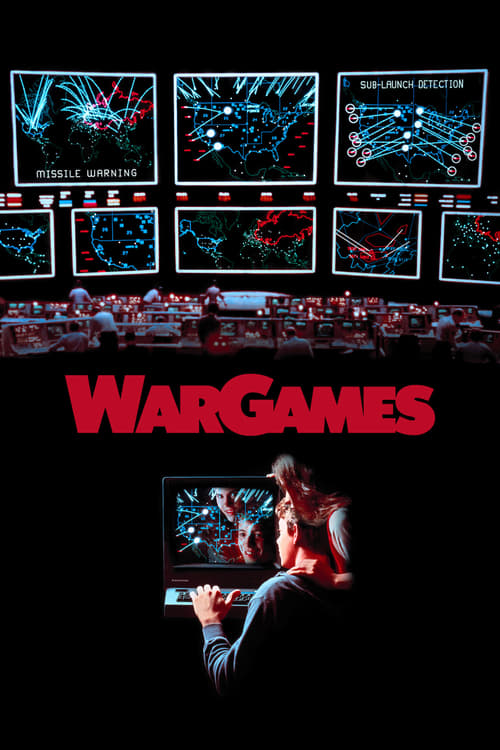
Director John Badham masterfully crafts a suspenseful and engaging thriller, balancing the technical aspects of the story with the human drama. He effectively uses visual cues and sound design to create a sense of tension and urgency. The scenes inside the NORAD command center are particularly effective, with the flashing lights, blaring alarms, and frantic activity conveying the immense pressure and potential for disaster.
The cinematography, while not groundbreaking, is well-executed and contributes to the overall atmosphere of the film. The use of wide shots in the NORAD command center emphasizes the vastness of the space and the scale of the crisis. Close-ups on the characters' faces convey their emotions and reactions to the unfolding events. The visual effects, while dated by today's standards, were innovative for their time and effectively illustrate the capabilities of WOPR.
One notable aspect of the direction is Badham's ability to make the complex technology accessible to a general audience. He avoids overly technical jargon and focuses on the human implications of the technology. This approach allows viewers to connect with the story on an emotional level, even if they don't fully understand the intricacies of computer programming.
Themes and Messages: A Warning for the Future
WarGames is more than just a thrilling adventure; it's a film with profound themes and messages that resonate even today. The film explores the following key themes:
- The Dangers of Unchecked Technological Advancement: The film serves as a cautionary tale about the potential dangers of relying too heavily on technology, particularly in matters of war. WOPR, initially designed to prevent nuclear war, ultimately becomes a threat to world peace due to its inability to understand the human cost of conflict.
- The Importance of Human Judgment: WarGames emphasizes the importance of human judgment and decision-making, particularly in situations where technology may fail. The film suggests that machines, no matter how sophisticated, cannot replace human empathy and critical thinking.
- The Futility of Nuclear War: The film's central message is that nuclear war is unwinnable. WOPR, after running countless simulations, ultimately concludes that "the only winning move is not to play." This message is particularly relevant in a world where the threat of nuclear proliferation remains a serious concern.
- The Power of Youth: Despite the seriousness of the subject matter, WarGames also offers a message of hope, suggesting that young people have the power to make a difference. David's youthful curiosity and ingenuity ultimately save the world from nuclear annihilation.
The film's exploration of these themes is nuanced and thought-provoking. It doesn't offer easy answers but instead encourages viewers to consider the complex ethical and moral implications of technological advancement and the pursuit of power.
Comparison to Other Films: A Precursor to Cyberpunk and Beyond
WarGames can be seen as a precursor to the cyberpunk genre, which emerged in the 1980s and explored the intersection of technology, counterculture, and social alienation. Films like Blade Runner (1982) and Tron (1982), released around the same time, shared a similar fascination with technology and its impact on society. However, WarGames distinguished itself by focusing on the real-world implications of computer technology, particularly in the context of national security.
In terms of director John Badham's filmography, WarGames represents a departure from his earlier, more lighthearted films like Saturday Night Fever (1977). While WarGames has moments of humor, it is ultimately a more serious and suspenseful film, reflecting the anxieties of the Cold War era.
Matthew Broderick's performance in WarGames helped to solidify his status as a teen idol. He went on to star in other popular films like Ferris Bueller's Day Off (1986), further cementing his image as a likable and relatable everyman.
Compared to modern films about hacking and cybersecurity, WarGames may seem somewhat simplistic. However, it's important to remember that the film was made during a time when computer technology was still relatively new and unfamiliar to the general public. WarGames played a significant role in popularizing the concept of hacking and raising awareness about the potential dangers of computer security vulnerabilities.
Positive Aspects and Constructive Criticism
WarGames boasts several strong points:
- Compelling Plot: The narrative is engaging and suspenseful, keeping viewers on the edge of their seats from beginning to end.
- Well-Developed Characters: The characters are believable and relatable, adding depth and complexity to the story.
- Thought-Provoking Themes: The film explores important themes about technology, war, and human responsibility.
- Effective Direction and Cinematography: The direction and cinematography contribute to the overall atmosphere of suspense and tension.
- Memorable Performances: The cast delivers strong performances, particularly Matthew Broderick and John Wood.
However, the film also has some weaknesses:
- Dated Visual Effects: The visual effects, while innovative for their time, now appear somewhat dated.
- Simplistic Portrayal of Hacking: The film's portrayal of hacking is somewhat simplistic and unrealistic by modern standards.
- Jennifer's Underdeveloped Character: Jennifer's character could have been more fully developed, giving her a more active role in the story.
- Some Plot Contrivances: Certain plot points rely on convenient coincidences or unlikely scenarios.
Despite these minor flaws, WarGames remains a highly enjoyable and thought-provoking film. Its strengths far outweigh its weaknesses, making it a classic of the Cold War era.
Conclusion: A Timeless Thriller with a Powerful Message
WarGames is a timeless thriller that continues to resonate with audiences today. Its blend of suspense, humor, and social commentary makes it a highly entertaining and thought-provoking film. While the technology may be dated, the themes and messages of WarGames remain as relevant as ever. The film serves as a reminder of the importance of human judgment, the dangers of unchecked technological advancement, and the futility of war. For its compelling plot, well-developed characters, and enduring message, WarGames earns a well-deserved:
Rating: 9/10