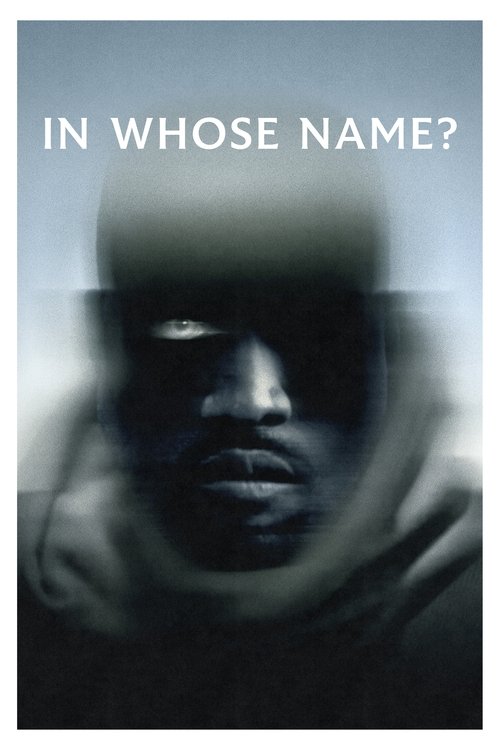
In Whose Name? - Review
In Whose Name?: An Unflinching Gaze into the Abyss of Ye
The name "Ye" conjures a maelstrom of emotions, opinions, and controversies. Genius, madness, innovator, provocateur – the labels are endless, often contradictory, and rarely neutral. Nico Ballesteros's documentary, In Whose Name?, released on September 19th, 2025, doesn't attempt to resolve these contradictions or offer easy answers. Instead, it throws the audience headfirst into a six-year odyssey alongside Ye, formerly Kanye West, a journey captured with startling intimacy and unyielding honesty. Forget carefully curated narratives and PR-approved soundbites; In Whose Name? delivers a raw, unfiltered look at a man perpetually teetering on the edge of brilliance and self-destruction, leaving the viewer to grapple with the profound and often uncomfortable questions it raises.
Plot: A Descent into the Labyrinth
In Whose Name? isn't structured as a traditional biographical documentary. It forgoes the standard chronological arc, opting instead for a more impressionistic approach. The film begins in the mid-2010s, a period of immense creative output and burgeoning global influence for Ye. We see him in the studio, surrounded by collaborators, his energy infectious, his vision seemingly boundless. Ballesteros's access is truly remarkable; he's a fly on the wall during intense creative sessions, private moments of reflection, and high-stakes business negotiations. These early scenes are a captivating testament to Ye's undeniable talent and relentless ambition.
However, the film subtly foreshadows the storm clouds gathering on the horizon. Glimmers of erratic behavior, flashes of unchecked ego, and hints of underlying mental health struggles begin to surface. As the years progress, the narrative gradually shifts, mirroring Ye's own descent into increasingly controversial territory. The film doesn't shy away from depicting his infamous outbursts, his embrace of divisive figures, and his increasingly erratic public pronouncements. Ballesteros presents these moments without judgment, allowing them to speak for themselves, which is perhaps the film's greatest strength and its most unsettling aspect.
The latter half of the documentary becomes increasingly difficult to watch. The initial fascination with Ye's creative process gives way to a sense of unease and even sadness as we witness his struggles with mental health and his alienation from the mainstream. The film culminates not in a triumphant finale, but in a lingering question mark, leaving the audience to ponder the future of a man who has so profoundly impacted culture, yet seems increasingly lost within himself.
Characters: Ye and the Shadowy Figure of the Filmmaker
The obvious protagonist is, of course, Ye. But In Whose Name? subtly explores the complex relationship between subject and filmmaker. Ballesteros, though largely unseen, is a constant presence. His camera becomes a silent confidante, capturing moments of both triumph and despair. The film implicitly asks: What responsibility does a filmmaker have when documenting a subject who is clearly struggling? Where does observation end and intervention begin? Ballesteros never explicitly answers these questions, leaving the audience to wrestle with the ethical implications of his role.
Ye himself is presented as a multifaceted and deeply flawed individual. We see his brilliance, his vulnerability, his unwavering belief in his own vision. But we also witness his arrogance, his impulsiveness, and his apparent inability to filter his thoughts and actions. The film doesn't shy away from depicting his moments of genuine kindness and generosity, but it also doesn't excuse his harmful and often offensive behavior. He is a complex and contradictory figure, a man who simultaneously inspires and alienates.
The supporting characters, while not as central to the narrative, provide valuable context. We see glimpses of his collaborators, his family (though sparingly), and his business associates. Their reactions to Ye's behavior, ranging from unwavering support to visible concern, further illuminate the complexities of his personality and the challenges of navigating his world.
Direction: Unflinching Honesty and Observational Restraint
Nico Ballesteros's direction is the key to the film's success. He avoids the temptation to sensationalize or editorialize, opting instead for a more observational approach. He allows the footage to speak for itself, trusting the audience to draw their own conclusions. This restraint is particularly effective in the film's most controversial moments, forcing the viewer to confront the uncomfortable realities of Ye's behavior without the crutch of a guiding narrative.
The film's pacing is deliberate, mirroring the ebb and flow of Ye's career and personal life. The early scenes are energetic and fast-paced, reflecting the frenetic energy of his creative process. As the film progresses, the pace slows, creating a sense of unease and impending doom. This subtle shift in pacing effectively conveys the growing sense of instability surrounding Ye.
Ballesteros's decision to eschew traditional documentary techniques, such as talking-head interviews and expert commentary, further enhances the film's immersive quality. We are not told what to think; we are simply shown, and left to grapple with the complexities of what we are seeing.
Cinematography: Intimacy and Immediacy
The cinematography in In Whose Name? is raw and intimate, reflecting the film's fly-on-the-wall approach. Ballesteros primarily uses handheld cameras, creating a sense of immediacy and authenticity. The film's visual style is unpolished and often grainy, further enhancing the feeling that we are witnessing events as they unfold in real-time.
The film's lighting is natural and unobtrusive, avoiding the artificiality of studio lighting. This naturalistic approach allows the audience to focus on the subjects and their interactions, rather than being distracted by stylistic flourishes.
The film's editing is also noteworthy. Ballesteros seamlessly weaves together footage from various sources, including personal recordings, public appearances, and behind-the-scenes moments. The editing is fluid and intuitive, creating a cohesive narrative that is both engaging and informative.
Performances: The Unscripted Reality of a Life Under Scrutiny
Given that In Whose Name? is a documentary, there are no "performances" in the traditional sense. However, Ye's presence on screen is undeniably captivating. He is a natural performer, even when he is not trying to be. His charisma, his energy, and his unwavering self-belief are all on full display.
The film also captures the performances of those around Ye. His collaborators, his family, and his business associates all reveal aspects of their personalities and their relationships with him. These moments of unscripted reality provide valuable insights into the complexities of Ye's world.
Perhaps the most compelling performance is that of Ye himself, unknowingly playing the lead role in a drama that is both fascinating and tragic. The film captures his moments of brilliance, his moments of vulnerability, and his moments of utter self-destruction, creating a portrait of a man who is both deeply flawed and undeniably compelling.
Themes and Messages: Fame, Mental Health, and the Price of Genius
In Whose Name? grapples with a number of complex themes, including the corrosive effects of fame, the stigma surrounding mental health, and the often-blurred line between genius and madness. The film suggests that fame can be both a blessing and a curse, providing immense opportunities and validation, but also isolating individuals and exposing them to intense scrutiny.
The film also shines a light on the challenges of living with mental illness, particularly in the public eye. Ye's struggles with bipolar disorder are well-documented, and the film doesn't shy away from depicting the impact of his illness on his life and his relationships. The film implicitly argues for greater understanding and compassion for those who are struggling with mental health issues.
Ultimately, In Whose Name? is a cautionary tale about the price of genius. The film suggests that true innovation often comes at a cost, requiring individuals to push boundaries, challenge conventions, and risk alienating themselves from the mainstream. However, the film also raises questions about the limits of tolerance, asking whether genius can excuse harmful or offensive behavior.
Comparison to Other Works: Similarities and Differences
In Whose Name? can be compared to other documentaries that explore the lives of controversial figures, such as "Amy" (about Amy Winehouse) and "Kurt Cobain: Montage of Heck." Like these films, In Whose Name? offers an intimate and unflinching look at the subject's personal struggles, revealing the human cost of fame and success. However, In Whose Name? distinguishes itself through its observational approach and its avoidance of traditional documentary techniques.
The film also bears similarities to previous works that have explored Ye's life and career, such as the documentary series "jeen-yuhs: A Kanye Trilogy." However, In Whose Name? offers a more comprehensive and up-to-date portrait of Ye, capturing his evolution (or devolution) over a longer period of time. Furthermore, In Whose Name? is arguably more critical and less celebratory than "jeen-yuhs," providing a more nuanced and complex perspective on its subject.
Positive Aspects: Access, Honesty, and Ethical Ambiguity
The film's greatest strength is undoubtedly its unprecedented access to Ye's life. Ballesteros's ability to capture intimate moments and behind-the-scenes interactions is truly remarkable. This access allows the audience to form their own opinions about Ye, rather than relying on pre-packaged narratives.
The film's honesty is also commendable. Ballesteros doesn't shy away from depicting Ye's flaws and controversies, presenting a balanced and nuanced portrait of a complex individual. The film's refusal to take sides or offer easy answers is refreshing and thought-provoking.
Finally, the film's ethical ambiguity is a positive aspect, albeit a challenging one. The film implicitly raises questions about the responsibilities of filmmakers when documenting vulnerable subjects. These questions force the audience to confront their own moral compass and consider the ethical implications of watching a man's life unfold on screen.
Constructive Criticism: Lacking Context and a Broader Perspective
While In Whose Name? excels in its intimacy and honesty, it could benefit from providing more context and a broader perspective. The film focuses primarily on Ye's personal struggles, often neglecting the larger social and political forces that have shaped his career and his worldview. A deeper exploration of these forces would have added another layer of complexity to the narrative.
Furthermore, the film could have benefited from including more voices beyond Ye and his immediate circle. While the supporting characters provide valuable insights, the film could have been enriched by including perspectives from critics, academics, and cultural commentators. These voices could have provided a more objective analysis of Ye's impact on society.
Finally, the film's ending feels somewhat abrupt and unresolved. While the lack of a definitive conclusion is arguably intentional, it leaves the audience feeling somewhat unsatisfied. A more thoughtful and nuanced conclusion would have provided a greater sense of closure.
Conclusion: A Riveting, Uncomfortable, and Essential Documentary
In Whose Name? is a riveting, uncomfortable, and ultimately essential documentary. It offers an unprecedented glimpse into the life of one of the most controversial figures in modern culture, forcing the audience to grapple with complex questions about fame, mental health, and the price of genius. While the film has its flaws, its strengths far outweigh its weaknesses. Nico Ballesteros has created a powerful and thought-provoking work that will undoubtedly spark debate and discussion for years to come.
Rating: 8.5/10